
top Skills and Responsibilities of a Learning and Development Specialist: Essential Guide for 2024
Are you passionate about shaping the future of education and technology? If you’re looking to land a rewarding job as a Learning and Development Specialist in education technology at universities, colleges, or schools, you’re entering a vibrant and ever-evolving field. The demand for skilled Learning and Development (L&D) professionals in EdTech is growing rapidly in 2024, largely due to the integration of digital tools and eLearning platforms across educational institutions. This thorough guide is here to help you understand the essential skills, core responsibilities, and practical tips needed to succeed as an L&D Specialist in higher education or K-12 settings.
What Is a Learning and Development Specialist in Education Technology?
A Learning and Development Specialist in EdTech plays a vital role in fostering the continuous growth of students, educators, or staff by designing, implementing, and evaluating impactful learning programs. In the context of universities,colleges,and schools,these professionals harness innovative technologies and evidence-based instructional methods to enhance teaching effectiveness and student outcomes. Their role bridges pedagogy and technology, making them invaluable contributors to institutional success.
Core Responsibilities of a Learning and Development Specialist
The responsibilities of a Learning and Development Specialist in education technology can vary depending on the institution and specific role, but typically include:
- Needs Assessment & Analysis: Evaluating skill gaps, learning needs, and organizational goals through surveys, interviews, and data analysis.
- Program Design & Development: Creating engaging learning experiences such as online courses, workshops, blended learning modules, and digital resources tailored to students or staff.
- Instructional Technology Integration: Implementing learning management systems (LMS), adaptive learning platforms, and digital tools to streamline content delivery and assessment.
- Content Curation & Creation: Developing original training materials,interactive activities,and multimedia content aligned with curricular objectives and technological advancements.
- facilitation & Training Delivery: Leading professional development sessions, webinars, and in-person or virtual workshops for educators or learners.
- Evaluation & Continuous Betterment: Assessing program effectiveness using qualitative and quantitative metrics, gathering feedback, and making data-driven adjustments to enhance outcomes.
- Change Management: Guiding institutions through curriculum updates, technology rollouts, or cultural shifts to maximize adoption and minimize resistance.
- Stakeholder Collaboration: Working closely with academic leaders, faculty, IT teams, and administrative staff to align learning initiatives with institutional strategy.
- compliance & Quality Assurance: Ensuring all programs meet accreditation standards, regulatory requirements, and internal quality benchmarks.
Top Skills for Learning and Development Specialists in 2024
To excel as a Learning and Development Specialist in the fast-paced world of EdTech, you’ll need a robust mix of technical, pedagogical, and interpersonal skills. Here are the essential skills employers are seeking in 2024:
1. Instructional Design Expertise
- Proficiency with instructional design models (e.g., ADDIE, SAM, Bloom’s Taxonomy).
- ability to align learning objectives,assessments,and content with institutional goals.
2. Technological Proficiency
- Experience with Learning Management Systems (e.g., Canvas, Moodle, Blackboard).
- Familiarity with eLearning authoring tools (e.g., Articulate Storyline, Adobe Captivate).
- Knowlege of video editing tools, graphic design software, and collaborative platforms like Google Workspace or Microsoft Teams.
3. data Analysis and Evaluation Skills
- Ability to interpret learning analytics, user engagement data, and feedback surveys.
- Skill in using data to refine curricula and measure program effectiveness.
4. Dialog and Facilitation Skills
- Strong written and verbal communication for creating clear learning materials and delivering engaging presentations.
- Capacity to facilitate group discussions, training sessions, and workshops for diverse audiences.
5. Project Management
- Organizational and time management skills to oversee multiple learning projects simultaneously.
- Familiarity with project management tools and methodologies (e.g., Agile, Trello, Asana).
6. Change Management & Adaptability
- Ability to lead and support educators and institutions through technological transitions or curricular changes.
- Versatility in adopting new technologies and instructional strategies.
7. Collaboration and Teamwork
- Excellent interpersonal skills to work with faculty,administrators,technical staff,and students.
- Experience in leading cross-functional teams and managing stakeholder expectations.
Benefits of Being a Learning and Development Specialist in education Technology
Pursuing a Learning and Development career in EdTech offers a host of professional and personal benefits:
- Positive Impact: Empower educators and students with modern skills, supporting academic achievement and lifelong learning.
- Career Growth: The demand for EdTech expertise is rising, leading to ample opportunities for advancement in educational technology roles.
- Constant Innovation: Work at the intersection of education and technology, exploring new tools, teaching models, and digital innovations.
- Flexible Work Options: Many institutions offer hybrid or remote roles, supporting a healthy work-life balance.
- Diverse Habitat: Collaborate with professionals from education, IT, administration, and research.
- Competitive Compensation: EdTech roles in higher education and K-12 often offer attractive salaries and comprehensive benefits packages.
qualifications for Learning and Development Specialist Jobs in Education Technology
While requirements can differ between universities, colleges, and schools, these are common qualifications sought for EdTech L&D Specialist roles:
- Bachelor’s or master’s Degree in Education, Instructional design, Educational Technology, Human Resource Development, Leadership, or a related field.
- Relevant Certifications, such as Certified Professional in Learning and Performance (CPLP), eLearning Instructional Design certificates, or Google for Education certifications.
- Experience in curriculum development,faculty training,or EdTech implementation is highly valued.
- Portfolio showcasing previous program designs,digital content,or successful implementation of learning initiatives.
Practical Tips to Succeed as a Learning and Development Specialist in EdTech
Enhance your job search and readiness for a successful L&D Specialist career stage with these actionable tips:
- Build a Digital Portfolio: Document your instructional design projects, training materials, and EdTech implementations to showcase your expertise to potential employers.
- Stay Current: Engage with EdTech trends, attend webinars, follow leading educational technology publications, and participate in professional communities.
- Network: Connect with professionals in EdTech and higher education through LinkedIn,academic conferences,and industry forums.
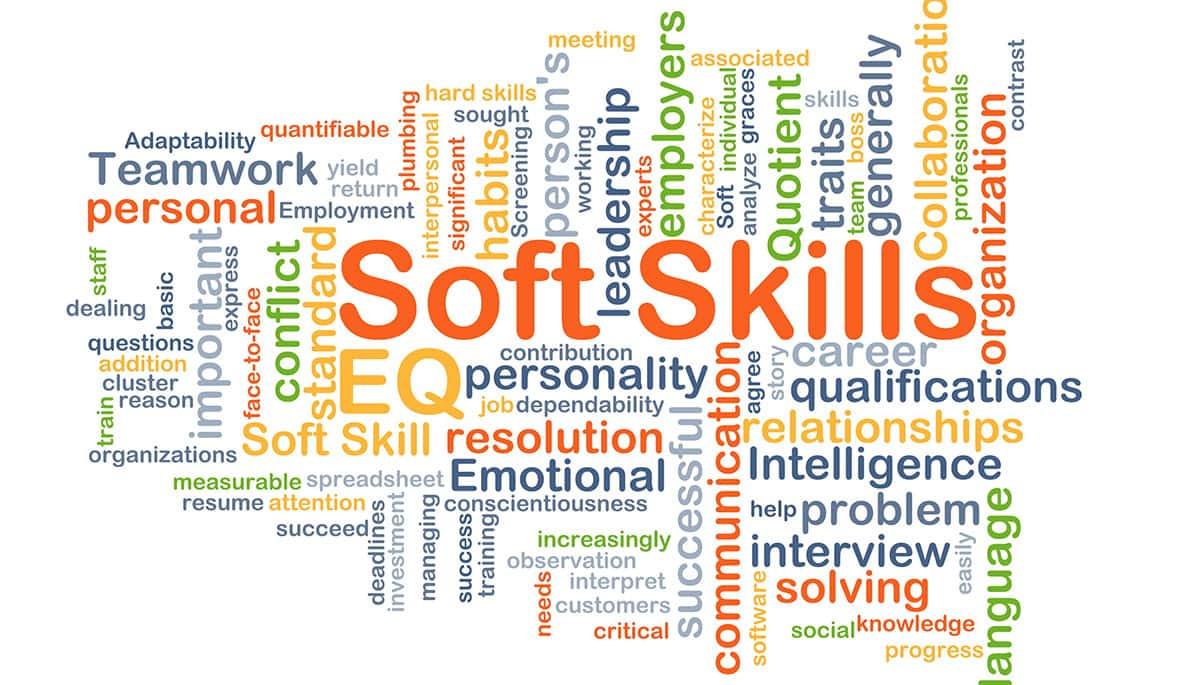
- develop Soft Skills: Refine your adaptability, empathy, and change management abilities to lead diverse teams and drive institutional change effectively.
- Gain Hands-on Experience: Volunteer for edtech projects, seek internships, or lead training sessions in your current role to broaden your practical knowledge.
- Highlight Achievements: When applying for roles, emphasize quantifiable outcomes tied to your learning programs, such as improved student engagement or higher assessment scores.
Future Trends in Learning and Development in Education Technology
The landscape of learning and development in education technology is advancing rapidly. Stay ahead by being aware of these key trends influencing EdTech L&D jobs in 2024:
- AI & Adaptive Learning: Growing use of artificial intelligence and machine learning to deliver personalized learning experiences.
- Microlearning & Modular Courses: Increasing demand for bite-sized learning content and flexible learning pathways.
- Data-Driven Decision Making: Expanded use of analytics to track learner progress and inform instructional design.
- Mobile & Remote Learning: Greater emphasis on mobile-friendly and asynchronous course delivery.
- VR/AR Integration: Adoption of immersive technologies for enhanced engagement and interactivity.
conclusion
Becoming a Learning and Development Specialist in education technology at universities, colleges, or schools is a dynamic and fulfilling career path.By honing the top skills required in 2024, understanding your core responsibilities, and staying attuned to industry trends, you’ll be ready to make a meaningful impact in the world of EdTech. Remember to build a strong professional network, keep your technical and instructional design skills sharp, and let your passion for education fuel your journey. The future of learning is digital, and you could be at the forefront, helping institutions and learners achieve success through technology-driven innovation.