
Top Skills and Responsibilities of a Learning and Development Specialist: What You Need to Know
Are you passionate about education technology and eager to make a difference in the learning experiences at universities,colleges,or schools? The role of a Learning and development Specialist is critical in today’s academic environments,driving impactful educational initiatives through effective training,instructional design,and technology integration. If you’re considering a career in education technology, understanding the skills, responsibilities, and pathways for success as a Learning and Development Specialist will give you a competitive edge. In this article, we’ll delve into what it takes to excel in this dynamic role and help you get ready for the education job market.
What is a Learning and Development Specialist?
A Learning and Development Specialist—sometimes called an L&D Specialist, Instructional Designer, or Training Specialist—is a professional responsible for designing, developing, and implementing learning programs that promote faculty, staff, and student development. In educational institutions, this role is especially tailored to leverage education technology for enhanced learning outcomes and continuous professional growth.
Key Responsibilities of a learning and Development Specialist
The job description of a Learning and Development Specialist in education technology encompasses a wide range of tasks. Below are the primary responsibilities you can expect in this rewarding position:
- Conducting Needs Assessments: Analyze the learning needs of faculty, staff, or students to identify skill gaps and define training objectives.
- Curriculum and Instructional Design: Develop engaging, effective learning materials, including e-learning modules, workshops, and course content that utilize the latest educational technologies.
- Delivering Training Sessions: Facilitate in-person and virtual training sessions to ensure smooth adoption of new educational tools, policies, or instructional strategies.
- Evaluation and Assessment: Measure the effectiveness of training programs through assessments, feedback, and data analysis, making improvements where needed.
- Education Technology Integration: Champion the adoption and optimal use of digital learning platforms, learning management systems (LMS), and interactive tools within academic settings.
- Collaboration: Work closely with faculty,administrators,IT staff,and instructional designers to align learning objectives and ensure consistency across programs.
- Staying Current: Keep abreast of emerging trends and best practices in education technology, proposing innovations to benefit the institution.
- Documentation and Reporting: Maintain accurate records of programme developments, training outcomes, and ongoing learning initiatives.
Top Skills for Learning and Development Specialists in Education Technology
To stand out as a Learning and Development Specialist, you’ll need a blend of technical expertise, interpersonal skills, and a deep understanding of how people learn. Here are the top skills employers look for in candidates:
1. instructional Design
- Proficiency with instructional design models such as ADDIE, SAM, or Bloom’s Taxonomy
- Experience creating curriculum, lesson plans, and multimedia learning resources
2. Digital Literacy and EdTech Tools
- Hands-on experience with Learning Management Systems (LMS) like Canvas, Blackboard, or Moodle
- Familiarity with authoring tools such as Articulate Storyline, Adobe Captivate, or Google Classroom
- Understanding the integration of video, interactive modules, and mobile learning technologies
3. Presentation and Facilitation Skills
- Confident delivery of workshops and webinars to diverse audiences
- ability to engage participants,encourage collaboration,and manage group dynamics
4.Analytical and Assessment Skills
- Collecting and interpreting data to assess learning performance and impact
- Applying feedback and results to continuously improve learning materials and strategies
5.Dialog and Interpersonal Skills
- active listening to identify stakeholder needs
- Clear written and verbal communication for preparing reports, guides, and documentation
6. Project Management
- Organizing multiple projects and deadlines concurrently
- Utilizing project management tools to coordinate teams and track progress
7. Change Management and Advocacy
- Guiding the academic staff or student body through transitions in technology and educational methods
- Advocating for continuous professional development and lifelong learning within the institution
Educational Background and Qualifications
most universities, colleges, and schools require Learning and Development Specialists to have at least a bachelor’s degree in education, instructional design, educational technology, or a related field. Additional certifications—such as Certified Professional in Learning and Performance (CPLP) or certifications in digital instructional tools—are often highly valued. Advanced degrees, such as a Master’s in Education Technology or Curriculum and instruction, can set you apart in a competitive job market.
Benefits of Working as a Learning and Development Specialist in Education technology
Pursuing a career as an L&D Specialist in education technology brings numerous professional and personal rewards:
- Impactful Work: Play a crucial role in modernizing learning environments and enhancing educational outcomes.
- Career Growth: L&D roles are highly transferable, opening doors across various institutions and even corporate settings.
- Continuous Learning: Stay updated on the latest trends in education and technology,keeping your skills sharp.
- Collaboration: Work with a diverse range of professionals, fostering creativity and innovation in the educational sector.
- Job Stability: As digital transformation continues, demand for education technology specialists is growing across all levels of academia.
Practical Tips for Aspiring Learning and Development Specialists
Ready to kick-start your career in education technology? here are some actionable tips to help you stand out as a Learning and Development Specialist:
- Build a Strong Portfolio: Showcase your expertise by developing sample lesson plans, e-learning modules, or interactive training videos.
- Network with Peers: Attend education technology conferences, join relevant online forums, and connect with professionals in the field.
- Stay Certified: Pursue certifications in leading LMS platforms, instructional design, and educational technology tools.
- Practice Data-Driven Decision Making: Use analytics and feedback to inform your instructional strategies and demonstrate value to potential employers.
- Demonstrate Adaptability: show that you can quickly learn and adapt to new technologies and pedagogical trends.
- Highlight Communication Abilities: Your ability to translate complex technical ideas into practical, user-friendly materials is invaluable.
- Pursue Mentorship and Continuing Education: Seek guidance from seasoned professionals and regularly participate in workshops or courses to hone your skills.
Trends Shaping Learning and Development in Education Technology
The education landscape is rapidly evolving. Here are some trends impacting learning and Development Specialist roles in 2024 and beyond:
- Increased Adoption of Artificial Intelligence: AI-driven personalized learning and automated assessment tools are reshaping training and instruction.
- Growth in hybrid and Remote Learning: Flexible learning models require specialists who can deliver seamless multi-modal content.
- Focus on Digital Literacy: There is a heightened emphasis on helping staff and students gain competence with digital tools and cyber safety.
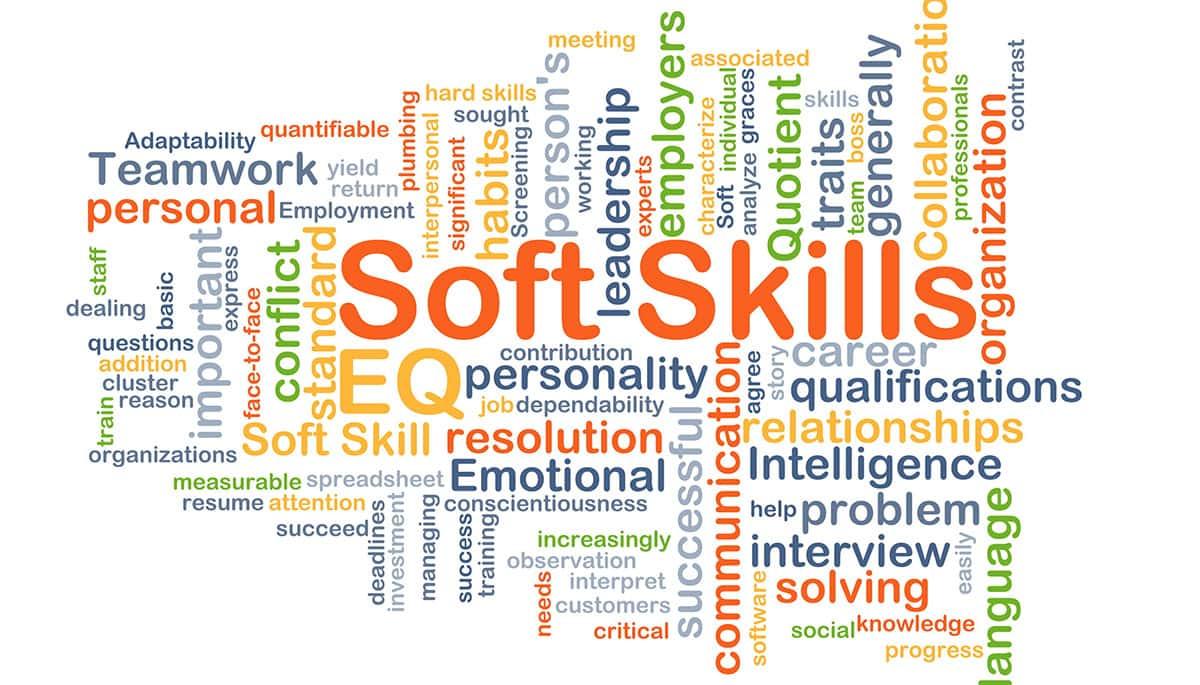
- Emphasis on Soft Skills: critical thinking, collaboration, and adaptability are as important as technical expertise, reflecting broader educational priorities.
Conclusion
the demand for skilled Learning and Development Specialists in education technology has never been higher. Universities, colleges, and schools are searching for professionals who not only understand the latest educational technologies but also possess a passion for curriculum development, instructional design, and learner engagement. By mastering the top skills, embracing your core responsibilities, and staying ahead of industry trends, you can carve out a successful and fulfilling career in this vital field. whether you’re just starting out or looking to advance your journey in education technology, now is the perfect time to step up and shape the future of learning environments.