
Top Skills and Responsibilities of a Successful Technical Product Manager in EdTech
Are you aspiring to build a thriving career in education technology (EdTech) as a Technical Product Manager at universities, colleges, or schools? The growth in digital learning platforms, remote education, and institutional software infrastructures has made this role increasingly vital. Understanding the top skills and core responsibilities can pave your way to becoming a sought-after Technical Product Manager in EdTech settings. In this comprehensive guide,you’ll discover the key competencies,practical tips,and benefits that come with this rewarding career path.
Introduction
The education sector is witnessing rapid conversion, driven by innovative technologies and evolving learning needs. Education technology, commonly referred to as EdTech, leverages software, hardware, and digital solutions to enhance teaching, learning, and administrative processes. As institutions adopt new tools and platforms, the need for skilled professionals who can bridge the gap between technology and educational outcomes is urgent.Enter the Technical Product Manager—an expert who ensures technological products are conceptualized,developed,and optimized to meet educator and student needs.
whether you are a seasoned product manager or an ambitious professional wanting to transition into EdTech, understanding what makes a successful Technical Product Manager is crucial for your career growth. Read on to learn more about top skills, everyday duties, and actionable tips for excelling in this dynamic role.
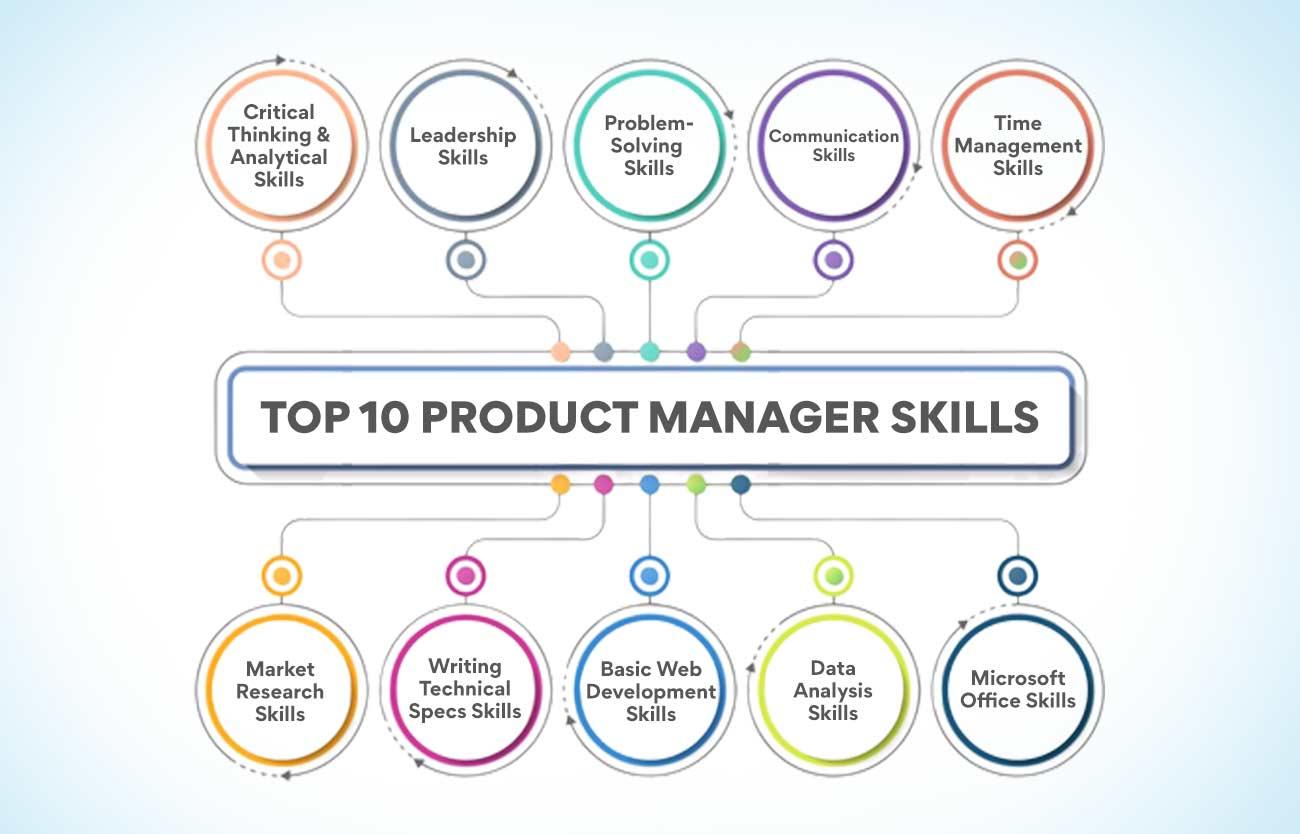
Key Skills of a Technical Product Manager in Education Technology
A successful technical Product Manager in EdTech combines a unique blend of technical proficiency, business acumen, and educational insight.Here are the most essential skills to master:
1.Product Vision and Strategy
- Strategic Thinking: Define and communicate a clear product vision aligned with institutional goals.
- User-Centric Approach: Understand the needs of educators, students, and administrators to shape product direction.
- Market Analysis: Monitor EdTech trends and competitor products, identifying opportunities for innovation.
2. Technical Expertise
- Software Development Understanding: Grasp programming principles, software architectures, and technology stacks.
- Data Analytics: Employ data-driven decision making to improve product features and performance.
- Cybersecurity knowlege: Ensure compliance with privacy standards and safeguard sensitive educational data.
3. Project Management
- Agile Methodologies: Lead cross-functional teams using agile, scrum, or kanban frameworks.
- Prioritization: Balance resources and timelines, making informed trade-offs between features and deadlines.
- Risk Management: Proactively identify and mitigate potential project risks.
4. Excellent Communication
- Stakeholder Engagement: Collaborate effectively with faculty, IT teams, and leadership to ensure product alignment.
- Documentation and Reporting: Create clear,concise product documentation and status reports.
- Training Skills: Develop materials and lead training sessions for educators and students on new tech tools.
5. User Experience (UX) Design Awareness
- Empathy with End Users: Design intuitive interfaces that facilitate effective teaching and learning.
- Feedback Integration: Gather, analyze, and act on feedback from diverse educational stakeholders.
6. Change Management
- Adaptability: Respond quickly and efficiently to evolving educational requirements.
- Support for Digital Adoption: Guide institutions thru the transition from legacy systems to modern EdTech solutions.
Core Responsibilities of a Technical Product Manager in EdTech Institutions
Technical Product Managers in universities, colleges, or schools have a diverse range of responsibilities that directly impact educational outcomes. Let’s break down thier core duties:
1. Product Planning and Roadmapping
- Define product goals,milestones,and success criteria.
- Develop and maintain product roadmaps aligned with institutional objectives.
- Prioritize features based on stakeholder needs and technological feasibility.
2. Cross-Functional Collaboration
- Facilitate communication between academic departments, IT, and administrative staff.
- Coordinate with vendors and external partners for integrations or new solutions.
3. Product Development Lifecycle Management
- Oversee development, testing, deployment, and support phases.
- Evaluate prototypes and beta releases with end users.
- Ensure high standards of quality, reliability, and security in educational tech products.
4. Stakeholder Management
- Identify key stakeholders for each product initiative.
- Collect and synthesize feedback from faculty, students, IT, and external partners.
- Manage stakeholder expectations through regular updates and transparent processes.
5.Data-Driven Decision Making
- Track and analyze product usage metrics for continuous advancement.
- Utilize educational data to refine product features and resolve pain points.
6.Compliance and Security Oversight
- Ensure products adhere to relevant educational regulations (such as FERPA, GDPR).
- Collaborate with cybersecurity teams to minimize risk and protect sensitive details.
Benefits of Working as a Technical Product Manager in EdTech
Choosing a career as a Technical Product Manager in education technology offers unique advantages:
- Mission-Driven Work: Influence the future of learning at universities, colleges, and schools by building tools that empower educators and students.
- Career Growth: EdTech is a rapidly expanding field, opening doors for advancement and specialization.
- Skill development: exposure to advanced technologies, agile methodologies, and educational best practices sharpen your professional toolkit.
- collaborative Habitat: Work closely with dynamic teams, from academic staff to engineers and designers.
- Job Stability: With education increasingly reliant on technology, the demand for skilled Technical product Managers continues to grow.
Practical Tips for Aspiring EdTech Technical Product Managers
If you’re interested in landing a Technical Product manager job at a university, college, or school, these actionable tips can help you stand out:
1. Upskill Continuously
- Learn relevant programming concepts and familiarize yourself with EdTech platforms.
- Complete certifications in product management, agile methodologies, or user experience design.
2.Build Educational Experience
- Volunteer or work on EdTech projects, internships, or collaborations with educational institutions.
- Attend EdTech events, webinars, and hackathons to build your network and knowledge base.
3. Highlight Transferable Skills
- Showcase experience in software development, project management, or education in your resume and interviews.
- Demonstrate your ability to translate technical jargon into clear, actionable guidance for non-technical stakeholders.
4. Research the Institutional Landscape
- Study the unique needs and challenges of the academic environment you wish to join—be it K-12, higher education, or vocational training.
- Understand how technology is used in the classroom and administrative settings.
5. Cultivate Leadership Skills
- Practice leading cross-functional teams, managing projects, and resolving conflicts with empathy and authority.
- Take ownership of outcomes and be proactive about problem solving.
6. Stay Informed on EdTech Trends
- Regularly read industry news and research on the latest educational technology innovations.
- Subscribe to EdTech newsletters and follow thought leaders for ongoing insights.
Conclusion
A Technical Product Manager in education technology plays a pivotal role in shaping how universities, colleges, and schools leverage digital tools for teaching, learning, and management.The right blend of technical know-how, leadership, and educational insight will set you apart in this dynamic and impactful profession. by focusing on key skills—such as strategic thinking, technical expertise, user-centered design, and collaboration—and embracing the core responsibilities outlined above, you’ll be well-positioned to thrive in the world of EdTech.
As the demand for innovative educational solutions continues to surge, now is an excellent time to move toward a fulfilling career as a Technical Product Manager in the education sector. Use the practical tips shared above to enhance your experience, expand your network, and showcase your value to prospective employers.The future of education depends on visionary professionals like you—ready to ensure technology serves learning in meaningful and transformative ways.