
Top Skills and Responsibilities of a Training and Support Coordinator: Essential Guide for Career success
Introduction
The education technology sector is rapidly expanding, with universities, colleges, and schools seeking skilled professionals to bridge the gap between innovative tools and prosperous learning outcomes. one pivotal role in this transformation is the Training and Support Coordinator. This position is key to ensuring educators,staff,and students maximize the benefits of new technologies. If you’re considering a career in education technology, understanding the core skills and responsibilities required for this role will set you apart and help you achieve career success. This guide offers an in-depth look into what it takes to excel as a Training and Support coordinator, along with valuable tips, benefits, and practical insights for job seekers.
What is a Training and Support Coordinator?
A Training and Support Coordinator in education technology acts as the critical link between technical innovation and effective submission in academic settings. These professionals are responsible for designing, delivering, and supporting training programs that empower faculty, staff, and students to use new digital technologies effectively and confidently. Whether working in universities, colleges, or schools, they ensure the seamless integration of edtech solutions and enhance the institution’s overall learning experience.
Key Responsibilities of a Training and Support coordinator
The scope of a Training and Support Coordinator’s role is both broad and specialized, requiring a blend of technical expertise, instructional skills, and strong interpersonal abilities. Below are the main responsibilities typically associated with this position:
- Organizing and Delivering Training: Plan and implement comprehensive training sessions,workshops,or webinars tailored for different user groups (faculty,staff,and students).
- Developing Instructional materials: Create easy-to-follow guides, instructional videos, FAQs, and online resources that support the use of education technology.
- Providing Technical Support: act as the first line of assistance, troubleshooting issues, answering user queries, and providing ongoing support both in-person and remotely.
- collaborating with Stakeholders: Work closely with IT teams, academic departments, and vendors to customize and optimize edtech solutions.
- Assessing Training Needs: Regularly evaluate current knowledge gaps and gather feedback to refine training programs.
- Monitoring and Reporting: Track usage, gather data on impact, and prepare reports for leadership to inform decisions and future strategies.
- Promoting best Practices: Advocate for best practices in technology usage and digital literacy across the institution.
Top Required Skills for Success
To thrive as a Training and Support coordinator in education technology,job seekers need to possess a dynamic set of skills. Here are the most vital ones:
1. Technical Proficiency
- Experience with Learning Management Systems (LMS) like Canvas, Moodle, or Blackboard.
- Understanding of common edtech tools, digital assessment platforms, and collaboration software.
- Ability to troubleshoot and resolve technical issues efficiently.
2. Instructional Design Skills
- Ability to design engaging and accessible training programs for diverse audiences.
- Familiarity with adult learning principles and e-learning development tools.
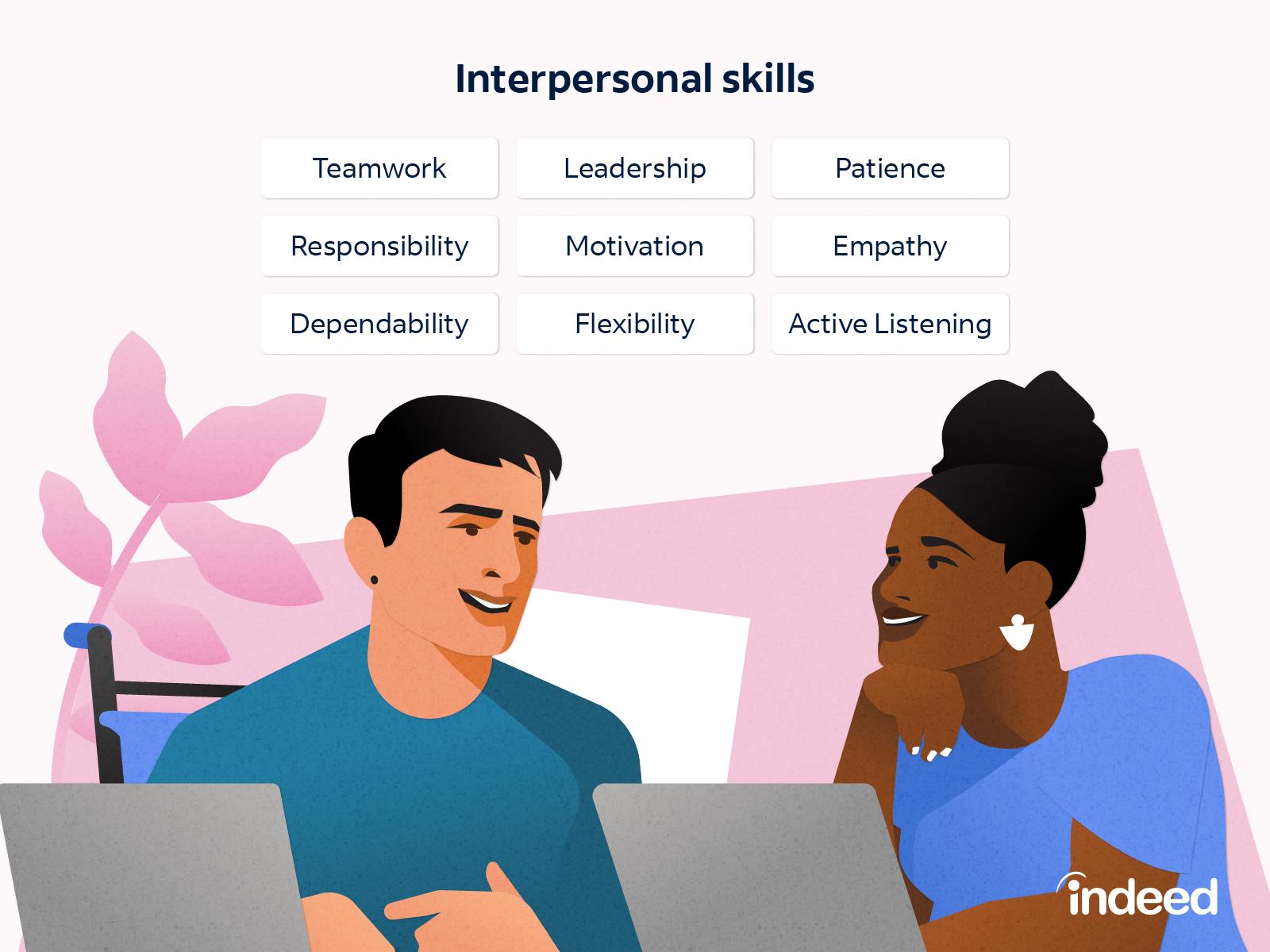
3. Interaction and Interpersonal Skills
- Clear verbal and written communication skills for explaining complex topics.
- Active listening and empathy to understand user challenges and concerns.
- Capacity to connect with participants at varying skill levels.
4. Problem-Solving and Adaptability
- Analytical thinking to diagnose issues and find effective solutions.
- Flexibility to adapt training approaches based on feedback and technological changes.
5. Organizational and Project Management
- Strong time management and multitasking abilities to coordinate multiple training initiatives.
- Skill in prioritizing tasks and managing schedules to meet deadlines efficiently.
6. Customer service Orientation
- Dedication to providing exceptional support and building positive relationships with users.
- Patience and reliability when handling repetitive or complex queries.
Benefits of a Career as a Training and Support Coordinator in Education Technology
Pursuing a role as a Training and Support Coordinator offers numerous professional and personal advantages:
- Contribution to Educational Advancement: Play a direct role in advancing student and educator success through technology-enabled learning.
- Dynamic Work Surroundings: Engage with a variety of stakeholders, technologies, and learning scenarios that keep each day unique and rewarding.
- Continuous Learning and Growth: Stay at the forefront of education technology trends and expand your own skills through ongoing training and professional development.
- Career Mobility: Experience broad opportunities for promotions or roles in higher education management, instructional design, or edtech development.
- Sense of Impact: Make a visible difference by improving digital literacy and helping institutions maximize their technology investments.
Practical Tips to Launch Your Career in Education Technology
If you’re aiming to land a Training and Support Coordinator job in a university, college, or school environment, here are practical steps to help you stand out:
- Earn Relevant Qualifications: A bachelor’s degree in education, instructional technology, or computer science is frequently enough essential. Consider pursuing a master’s degree or certifications specific to educational technology or project management for added leverage.
- Build Your Technical Toolkit: Gain hands-on experience with leading LMS platforms, digital collaboration tools, and helpdesk software. Stay updated on the latest trends in education technology.
- Develop Training Experience: Volunteer or intern to conduct workshops and training sessions, even outside formal academic settings. Document these experiences in your resume and portfolio.
- Strengthen Communication Abilities: Practice presenting complex technical concepts in clear, relatable language. Join public speaking groups or create instructional videos to sharpen your delivery.
- Network Strategically: Attend education technology conferences, local workshops, and online communities to connect with professionals and discover job opportunities.
- Customize Your Job Application: Tailor your resume and cover letter to highlight your training, technical support, and instructional design achievements. Use keywords related to education technology and training coordination throughout.
- Prepare for Interviews: Showcase your problem-solving approach by describing real scenarios. Be ready to articulate how you woudl handle common training challenges in an academic environment.
Emerging Trends in Education technology for Training and Support Coordinators
The role of Training and support Coordinator is continually evolving alongside advances in technology and pedagogy. Staying abreast of the latest trends can enhance your effectiveness and career prospects:
- Remote and Hybrid Learning Models: Mastering support for online, blended, and hybrid classrooms is crucial as institutions maintain flexible learning environments.
- Mobile and Cloud-Based Platforms: Increasing adoption of mobile learning apps and cloud-based LMS calls for new strategies in training and support delivery.
- Data-Driven Decision Making: Coordinators are now expected to collect and analyze user feedback and training metrics to inform programme improvements.
- Accessibility and Universal Design: Expertise in designing inclusive, accessible materials for all users is in high demand.
- Gamification and Engagement Tools: Integrating interactive, game-based elements in training can boost motivation and retention.
Conclusion
A career as a Training and Support Coordinator in education technology offers a rewarding pathway for job seekers passionate about leveraging digital tools to transform learning experiences. By mastering the essential skills—ranging from technical know-how and instructional design to communication and problem-solving—you’ll be well positioned to help universities, colleges, and schools thrive in the digital age. The impact you make through effective training and support can shape the future of education itself. Use the insights and practical tips provided in this guide to refine your expertise, prepare for opportunities, and embark on a successful career in education technology.