
top Skills and Responsibilities of a Visual Designer in E-Learning
As the digital transformation in education accelerates, the demand for skilled visual designers in e-learning skyrockets.Universities, colleges, and schools are embracing education technology to provide immersive, engaging, and impactful learning experiences. If you’re considering a rewarding career as a visual designer in e-learning, it’s crucial to understand the core skills, responsibilities, and the career potential of this role within the dynamic field of educational technology. This thorough guide will help you discover what it takes, how you can stand out, and provide practical tips for landing your dream job in academia’s e-learning sector.
Introduction to Visual Design in E-Learning
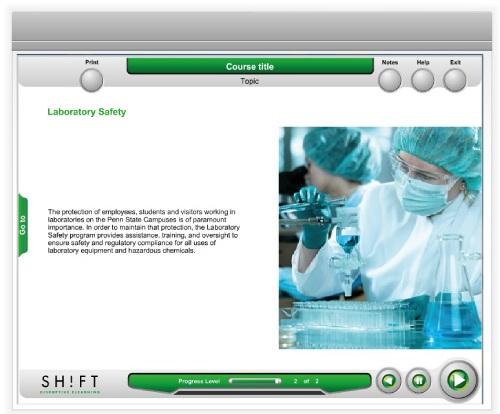
Visual design for e-learning is the art and science of crafting visual content and interfaces that enhance online education. By strategically using color, typography, imagery, layouts, and interactive elements, visual designers improve the usability and effectiveness of educational technologies across institutions. Whether supporting university online courses, college blended learning environments, or K-12 virtual classrooms, visual designers play a pivotal role in shaping the way learners engage with digital education content.
Why Visual Designers Are Essential in Education Technology
In the e-learning industry, first impressions matter. Well-designed educational platforms captivate students, encourage interaction, and boost knowledge retention. Visual designers:
- Create intuitive interfaces that minimize learning curves for students and faculty
- Align visual identity with institutional branding
- Transform complex concepts into digestible visual formats
- Ensure accessibility for all learners, including those with disabilities
- Elevate the quality and consistency of course content across digital platforms
In short, skilled visual designers bridge the gap between educational goals and technological implementation, fostering a seamless and engaging learning environment.
Core responsibilities of a Visual Designer in E-Learning
while specific duties can vary by association and project scope, the primary responsibilities of a visual designer in education technology typically include:
1. Designing User Interfaces for Learning Platforms
- Craft clean, user-pleasant layouts for LMS (Learning Management Systems) and course modules
- Collaborate with UX designers to optimize user journeys and touchpoints
- Develop responsive designs that function smoothly across various devices (desktops, tablets, smartphones)
2. Creating Visual Assets and Learning Materials
- Design graphics, icons, infographics, and animations to support instructional content
- Format e-books, online presentations, and downloadable resources for visual appeal
- Work with subject matter experts to visually represent complex information
3. Ensuring Brand Consistency and Visual Standards
- Apply institutional branding guidelines to all digital course materials
- Establish and enforce visual style guides specific to education technology products
- Maintain a cohesive look and feel across numerous courses and departments
4. Enhancing Accessibility and Inclusivity
- Use accessible color palettes, clear typography, and alt text for images
- Follow WCAG (Web Content accessibility Guidelines) and ADA compliance in all designs
- Test designs with screen readers and assistive technologies
5. Collaborating Cross-Functionally
- Partner with e-learning developers, instructional designers, and educators to align on project requirements
- Participate in brainstorming sessions, prototyping, and feedback loops
- Iterate on designs based on learner feedback and usage data
Top Skills Required for a Visual Designer in E-Learning
To thrive as a visual designer in academic e-learning, a blend of technical expertise, creative flair, and interpersonal skills is essential:
Technical Design Skills
- Proficiency in industry-standard tools (Adobe Creative Suite, Figma, Sketch, Canva, etc.)
- Understanding of digital imaging, vector graphics, animation, and interactive media
- Experience with UI/UX design principles, wireframing, and prototyping
- Working knowledge of HTML & CSS for design implementation is a plus
Creative and Conceptual Abilities
- Keen eye for color theory, typography, and layout composition
- Ability to simplify and visually communicate complex educational concepts
- Skilled in storytelling through visuals and motion graphics
Project Management Skills
- Time management and multi-tasking across simultaneous projects
- Agility in adapting to tight deadlines and evolving content priorities
- Detail-oriented approach to reviews, feedback, and final delivery
Dialog and Collaboration
- Strong verbal and written communication skills to articulate design rationale
- Empathy and active listening skills to understand the needs of educators and learners
- ability to accept and implement constructive feedback
Accessibility Awareness
- Commitment to designing for all users, including those with visual, auditory, or cognitive disabilities
- Understanding of accessibility best practices for digital learning content
valuable Benefits of a Visual Design Career in E-Learning
Why should a job seeker consider visual design in academic e-learning? Here are some compelling benefits:
- purpose-driven impact: Help shape the future of education and make learning accessible to all
- Growth opportunities: Thrive in an industry rapidly adopting new technologies and pedagogical models
- Creative fulfillment: Work on diverse projects where innovation and creativity are continually rewarded
- collaborative culture: Collaborate with passionate educators, technologists, and fellow designers
- Remote and flexible options: Many roles in edtech support remote work and flexible schedules
Practical Tips for Aspiring E-Learning Visual Designers
If you want to excel in the highly competitive field of education technology design, these actionable tips will help you build a strong foundation and stand out to employers:
1. Build a Specialized Portfolio
- Showcase educational projects and courses you have designed for universities, colleges, or schools
- Highlight before-and-after redesigns, accessible interfaces, or collaborative projects with instructional teams
- Include case studies demonstrating your impact on learning outcomes or user engagement
2. Stay Updated on EdTech Trends
- Follow thought leaders, blogs, and publications focused on education technology and e-learning design
- Explore new tools for gamification, AR/VR, and adaptive learning interfaces
- Understand ongoing changes in accessibility standards and best practices
3. Master Collaboration Platforms
- Be proficient in remote collaboration and project management tools like Slack, Trello, Asana, and zoom
- Share designs, get feedback, and iterate rapidly in multi-disciplinary, distributed teams
4. Learn the Basics of Pedagogy and Instructional Design
- Understand how learning theories influence digital content design
- Partner with instructional designers to align learning objectives with visual solutions
5. Pursue Continuous Professional Advancement
- attend online workshops, webinars, or earn certifications in e-learning design
- Network with other e-learning professionals to learn from their experiences and challenges
Conclusion: Your Future as a Visual Designer in E-Learning
The education sector’s adoption of digital learning isn’t slowing down. Universities, colleges, and schools are seeking talented visual designers who can shape the next generation of online learning experiences. By developing both the technical and soft skills outlined in this article, and by understanding the unique responsibilities and rewards of education technology, you’ll be well-positioned for a dynamic and impactful career in e-learning visual design. Ready to take the next step? Start building your expertise today and play a vital role in transforming education for learners everywhere.