
Top Skills and Responsibilities of an HR Director in EdTech
The field of education technology (EdTech) is rapidly transforming the way learning institutions operate and deliver education. As universities, colleges, and schools embrace technology-driven approaches, the role of the HR Director in EdTech has become more crucial than ever. For job seekers interested in becoming HR leaders in educational organizations leveraging cutting-edge tech, understanding the unique expectations and requirements of this position is key. In this thorough guide, we’ll explore the top skills, responsibilities, benefits, and practical tips to help you thrive as an HR Director in the EdTech sector.
Why is the HR Director Role Vital in EdTech?
EdTech organizations require a combination of academic excellence, technological expertise, and a strong workforce culture to succeed. The HR Director operates at the intersection of these needs, shaping recruitment, talent management, and organizational growth strategies. Effective HR leadership ensures that innovation is supported by robust human capital, fostering an engaging, diverse, and high-performing environment where both educators and technologists can excel.
Core Responsibilities of an HR director in EdTech
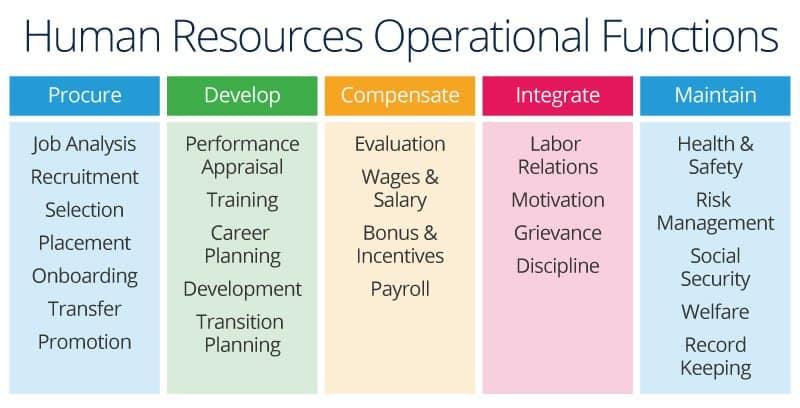
An HR Director’s role in education technology institutions is multi-faceted and strategic, encompassing various functions tailored to the digital landscape of learning. Below are some of the core responsibilities:
1.Talent Acquisition and Recruitment Strategy
- Designing and leading recruitment campaigns to attract top talent in both education and technology domains.
- Collaborating wiht academic leaders and IT managers to define hiring needs and candidate profiles.
- Ensuring inclusive and equitable hiring processes that promote diversity in the EdTech workforce.
- Leveraging digital platforms and social media for employer branding and talent outreach.
2.Employee Development and training
- Identifying professional development needs specific to EdTech, such as digital pedagogy, cybersecurity, and adaptive learning systems.
- Designing and implementing upskilling programs for educators, administrators, and tech staff.
- Managing onboarding and mentoring initiatives to accelerate new hire integration.
3. Performance management
- Establishing fair and transparent performance metrics that reflect both traditional academic outcomes and technology adoption goals.
- Developing feedback and review frameworks that support continuous improvement.
- Aligning performance incentives with organizational objectives and individual growth.
4. HR Technology Implementation
- Selecting and managing HR information systems (HRIS) that streamline processes and enhance data-driven decision-making.
- Introducing digital tools for remote onboarding, training, and employee engagement.
- Analyzing workforce analytics to predict trends and optimize talent strategies.
5. Compliance and Policy management
- Ensuring adherence to employment laws, labor regulations, and academic institution guidelines.
- Developing policies around remote work, digital conduct, and data privacy in educational settings.
- Managing risk by fostering a safe, inclusive, and equitable workplace.
6. Organizational Culture and Change Management
- Championing a collaborative culture that bridges the gap between education professionals and technology teams.
- Leading change management initiatives as institutions adopt new technologies and methodologies.
- Supporting leadership development to nurture the next generation of EdTech leaders.
Top Skills Required for an HR Director in EdTech
To excel as an HR Director in a university, college, or school focused on EdTech, candidates must bring a unique blend of skills combining human resources expertise, technological fluency, and educational insight. Here are the top skills you should develop:
1. Strategic Thinking
- Ability to align HR policies with broader EdTech goals and institutional mission.
- Proficiency in workforce planning, succession management, and talent analysis.
2. Digital Literacy
- Familiarity with HR technology (HRIS, ATS, LMS) and data analytics tools.
- Understanding of emerging EdTech trends, platforms, and thier impact on workforce needs.
3. Leadership and Influence
- Strong leadership skills to manage diverse HR teams and cross-functional projects.
- Exceptional communication abilities to advocate for HR initiatives at the executive level.
4. Change Management
- Proven experience guiding organizations through digital conversion.
- Ability to promote adaptability and resilience among staff during periods of change.
5. Interpersonal and Communication Skills
- Outstanding emotional intelligence to resolve conflicts and mediate between academic, technical, and administrative teams.
- Ability to deliver clear, concise communications across digital and face-to-face channels.
6. Data-Driven Decision Making
- Capacity to analyse HR metrics, track ROI on talent programs, and make informed decisions.
- Comfortable working with quantitative and qualitative data relevant to employee engagement and performance.
7.legal and Ethical Acumen
- Strong knowledge of employment law, academic policies, and compliance frameworks relevant to educational institutions and EdTech environments.
- Commitment to ethical hiring,fair labor practices,and workplace equity.
Benefits of Working as an HR Director in EdTech
Pursuing a leadership role in HR within the EdTech sector comes with many unique rewards:
- Opportunity for Innovation: Work alongside educators, developers, and technologists driving transformation in learning.
- Career growth: The rapid expansion of EdTech is creating new HR leadership pathways in both traditional academic settings and startups.
- Impact: Shape the future of education by building adaptive, inclusive, and high-performing workforces.
- continuous Learning: Stay ahead with exposure to the latest technologies, teaching methods, and digital trends.
- Competitive Compensation: HR leaders in EdTech are increasingly recognized with attractive salary packages and benefits.
Practical Tips to Land and Succeed in an EdTech HR Director Role
If you’re aiming for a career as an HR Director in universities, colleges, or schools with a focus on EdTech, here’s how you can set yourself apart:
- Build Digital Expertise: Complete certifications in HRIS, data analytics, or EdTech platforms to boost your credibility and competence.
- Network Within the Industry: Join EdTech forums, HR associations, or attend relevant conferences to connect with professionals and stay updated.
- Showcase Results: In your resume and interviews, highlight quantifiable achievements in HR transformation, talent acquisition for tech roles, or triumphant change management projects.
- Stay Legally Informed: Regularly update your knowledge on labor laws and regulatory changes impacting academic and technology workplaces.
- Embrace Lifelong Learning: the EdTech industry values professionals who continuously learn—consider pursuing further education in technology management or educational leadership.
- Promote a Digital-Ready Culture: champion digital adoption and flexible work models within your current or previous roles to demonstrate forward-thinking leadership.
Conclusion
The role of an HR Director in edtech at universities, colleges, and schools is central to driving institutional growth and transformation. By mastering a balance of strategic HR leadership, digital proficiency, and educational insight, you can successfully lead teams in innovative and meaningful ways. Whether you’re aspiring to enter the EdTech sector or advance your current HR career, focusing on the essential skills and understanding the pivotal responsibilities outlined in this article will position you as a competitive and impactful candidate. Embrace the dynamic world of edtech HR, and you’ll find yourself at the forefront of shaping the future of education.