
Top skills and Roles of a Data Visualisation Specialist in EdTech
As education technology revolutionizes learning environments, the role of the Data Visualisation specialist in EdTech has become more critical than ever. Universities, colleges, and schools are increasingly relying on data-driven decision-making to improve administration, student performance, and teaching outcomes. In this thorough guide, we’ll explore the top skills needed, common responsibilities, and practical tips for job seekers eager to thrive as a Data Visualisation Specialist within the education sector.
Introduction to Data visualisation in EdTech
Education institutions generate vast amounts of data from student assessments, learning management systems, institutional operations, and more. A Data Visualisation Specialist in EdTech bridges the gap between raw data and meaningful insights, using advanced tools and techniques to create compelling visual representations. This role is essential for making data accessible to educators,administrators,and policy-makers,driving better decisions and enhancing the educational experience for all stakeholders.
Key Responsibilities of a Data visualisation specialist in edtech
Data Visualisation Specialists in education technology play diverse and impactful roles. Their primary focus is to transform complex educational data into clear, actionable visual stories. Here are the core responsibilities you can expect in this role:
- data Collection and Preparation: Gathering data from various sources, cleaning and organizing it for analysis.
- Data Analysis: Using statistical and analytical methods to identify key trends, correlations, and anomalies in educational data.
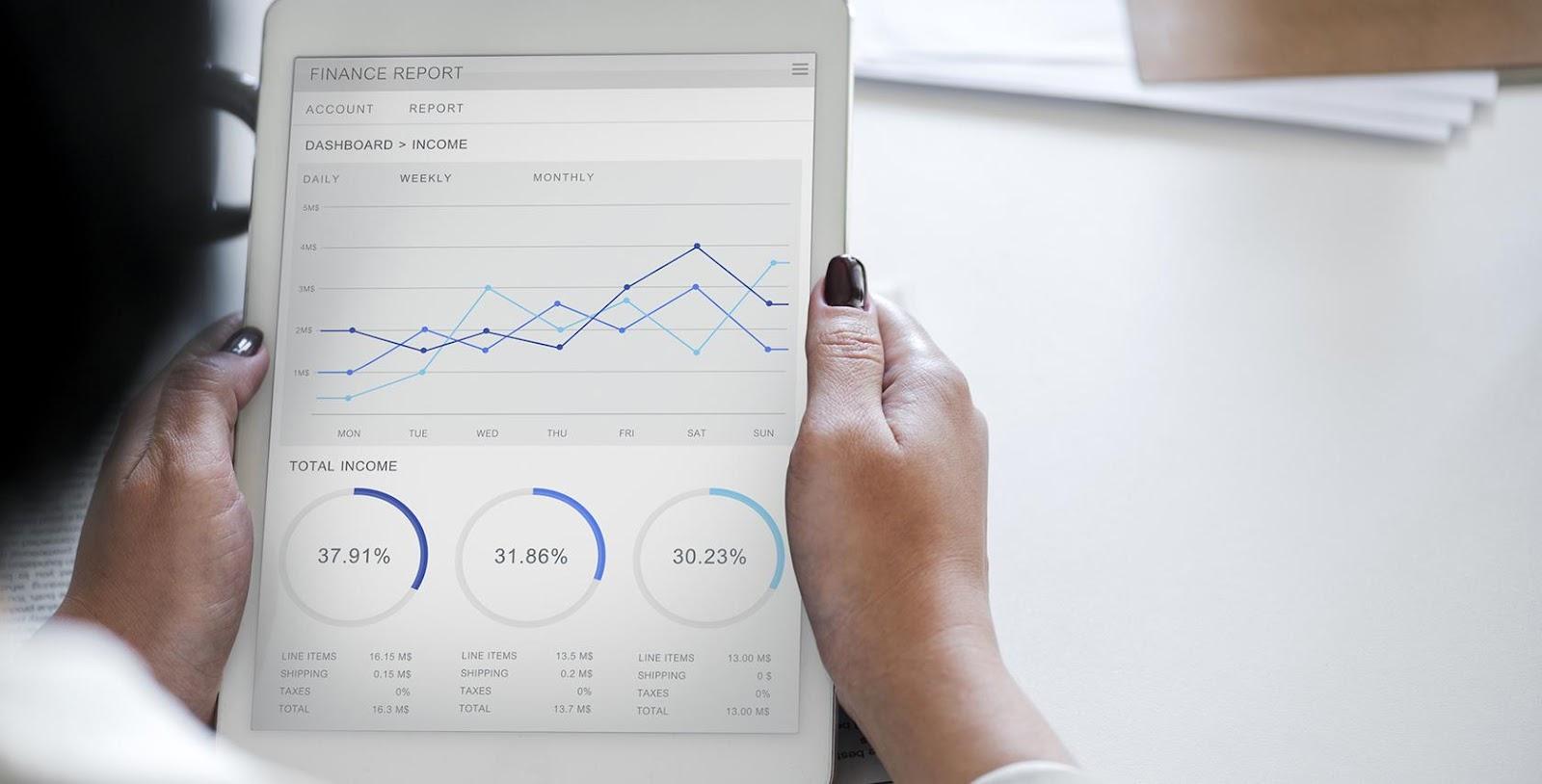
- Visual Design: Creating charts, dashboards, infographics, and interactive visualizations using tools tailored for EdTech environments.
- Stakeholder Collaboration: working closely with educators, administrators, and IT teams to understand their data needs and deliver effective solutions.
- Storytelling: Communicating insights through visuals that are intuitive for non-technical audiences, helping drive institutional strategies and student success initiatives.
- data Security and Privacy: Ensuring that all data visualisations comply with privacy standards and institutional policies.
- Reporting and Presentations: Providing clear and concise reports, sometimes presenting findings to school boards, faculty, or donors.
Top Skills Required for Data Visualisation Specialists in Education Technology
Securing a job as a Data Visualisation Specialist in EdTech requires a well-rounded portfolio of technical, analytical, and interpersonal skills.Let’s delve into the crucial abilities that employers at universities, colleges, and schools are seeking:
1. Technical Data Visualisation Tools
- Proficient in leading tools such as Tableau, Power BI, Google data Studio, or Qlik Sense.
- Experience with programming languages like Python (libraries such as Matplotlib, Plotly, Seaborn) or R for data analysis and visualisation.
- Knowledge of javascript libraries for web-based visualisations, including D3.js and Chart.js.
2. Data Analytics & Statistics
- Strong grasp of statistical analysis and hypothesis testing to extract actionable insights.
- Ability to interpret educational data, identify trends, and make data-driven recommendations.
3. Database Management
- Comfortable with SQL for database querying and ETL (Extract, Transform, Load) processes.
- Familiarity with cloud data solutions such as Azure, AWS, or Google Cloud, especially as they pertain to EdTech ecosystems.
4.UX/UI Principles
- Understanding of user experience and design basics, ensuring visualisations are both effective and engaging.
- Strong sense of layout, color theory, and accessibility for diverse audiences.
5. Dialog & Storytelling
- Remarkable written and verbal communication skills, especially when presenting data to non-technical stakeholders.
- ability to tailor messages and insights to diffrent audiences,from faculty members to school administrators.
6. Critical Thinking & Problem Solving
- Sharp analytical mind for interpreting data trends and developing meaningful visual narratives.
- Resourceful in troubleshooting and finding creative solutions to data challenges.
7. Domain Knowledge in Education
- Understanding educational metrics, pedagogical theories, and regulatory frameworks relevant to EdTech.
- Ability to contextualise data findings within the unique dynamics of academic environments.
In-Demand Roles for Data Visualisation Specialists in EdTech
If you’re interested in a career in education technology, several roles might fit your skills and ambitions as a Data Visualisation Specialist:
- edtech Data Analyst: Focuses on analyzing learning data to help educators personalize instruction and improve outcomes.
- Academic Dashboard Developer: designs interactive dashboards for tracking student progress, faculty performance, and institutional KPIs.
- Learning Analytics Specialist: Works with predictive modeling and real-time analytics to support adaptive learning platforms.
- Institutional Research Visualization Expert: Translates research data into accessible visuals for accreditation, marketing, and policy purposes.
- Assessment Visualization Coordinator: Specializes in showcasing assessment results and trends for curriculum progress teams.
- Education Data Storyteller: Crafts compelling visual narratives for donors, parents, and external stakeholders.
Each of these roles leverages strong data visualization capabilities to influence decision-making and contribute to the innovation of learning environments.
Benefits of Working as a Data Visualisation Specialist in EdTech
Pursuing a job as a Data Visualisation Specialist in education technology is both rewarding and impactful. Here are some notable benefits:
- High Demand: As educational institutions pursue data-driven growth, skilled specialists are sought after for their expertise.
- Chance to Drive Change: Your visualizations can shape teaching methods, curriculum design, and institutional strategies.
- Impactful Work: Making complex data accessible improves learner outcomes and helps schools meet their mission.
- Continuous Learning: EdTech is a rapidly evolving field, offering professionals ample opportunity to grow and upskill.
- Collaborative Environment: You’ll work alongside passionate educators, technologists, and administrators.
Practical Tips for Aspiring Data Visualisation Specialists in EdTech
Entering the EdTech sector as a Data Visualisation Specialist can be an exciting career move. Here are some actionable tips to help you stand out in your job applications and interviews:
- Build a Portfolio: Showcase samples of educational dashboards, infographics, or interactive visualizations.
- Take Relevant Certifications: Gain certifications in tools like Tableau, Power BI, or Google Analytics.
- Stay Updated: Follow EdTech trends, participate in webinars, and engage with online communities for continuous learning.
- Gain Domain Experience: Volunteer or intern at schools or universities to understand real-world educational data challenges.
- Hone Presentation Skills: Practice communicating your insights to non-technical audiences in clear, compelling ways.
- Emphasize Soft Skills: Highlight teamwork, adaptability, and problem-solving in your resume and interviews.
- Showcase Impact: Where possible, demonstrate how your visualizations have led to tangible improvements or decisions.
Conclusion: Shaping the Future of Learning with Data Visualisation
The demand for Data Visualisation Specialists in EdTech continues to grow as schools, colleges, and universities strive to harness the power of big data. By combining a mastery of visualization tools, analytical thinking, and a deep understanding of educational dynamics, you can carve out a meaningful and rewarding career in education technology. Whether you’re looking to bring about institutional change, improve student outcomes, or drive innovation, developing your data visualization skills will set you apart in today’s competitive EdTech job market.