
Top skills and Roles of a Training and Support Coordinator: Career Guide & Job Description
Are you looking for a rewarding career in education technology at universities, colleges, or schools? Becoming a Training and Support Coordinator could be your ideal path! Education technology is rapidly evolving, and institutions require dedicated professionals too empower staff and students with technical skills and support. In this comprehensive guide, you’ll discover what it takes to thrive as a Training and Support Coordinator, learn about the essential skills, explore typical responsibilities, and get practical career tips to help you succeed in the dynamic world of edtech.
What Is a Training and Support coordinator?
A Training and support Coordinator in education technology is a pivotal team member responsible for designing, delivering, and managing training initiatives on educational technologies, platforms, and tools. This role supports faculty, staff, and students by ensuring they are proficient in using learning management systems (LMS), virtual classroom software, digital resources, and other tech-based solutions.The ultimate goal is to enhance teaching, learning, and operational efficiency in educational settings through effective training and continuous support.
Key Roles and Responsibilities
Training and Support Coordinators bridge the gap between technology and user experience in schools, colleges, and universities. Their key responsibilities include:
- Technology Training: Develop and conduct instructional sessions on learning management systems, video conferencing tools, e-assessment platforms, and other edtech resources.
- Support Services: Provide front-line support to users experiencing technical issues, offering troubleshooting, escalation, and resolution as needed.
- Needs Assessment: Evaluate the training requirements of staff and students by conducting surveys, interviews, and consultations.
- Resource Development: Create user guides, video tutorials, FAQs, and documentation to support technology adoption and ongoing learning.
- Program Evaluation: Measure training program effectiveness through feedback, analytics, and continuous enhancement initiatives.
- Collaboration: Work with IT teams,instructional designers,and academic leadership to ensure the successful integration of new tools and technologies.
- User Advocacy: Champion best practices, user accessibility, and digital inclusion within the institution.
- Project Coordination: Assist in the rollout of new educational technologies and contribute to project planning and deployment.
Top Skills Required for Training and Support Coordinators
To excel in this role, you need a blend of technical proficiency, interaction, and organizational skills. Here are the top skills employers are seeking:
1. Technical Expertise
- Proficiency in a range of educational technologies (LMS, assessment tools, digital collaboration platforms)
- Basic troubleshooting skills for software, hardware, and networking issues
- Awareness of data privacy, cybersecurity, and accessibility standards
2. training Design & Delivery
- Ability to design tailored training materials and tutorials for diverse learning audiences
- Experience with face-to-face, online, and blended learning environments
- Competence in instructional design methodologies and adult learning principles
3. Communication & Interpersonal Skills
- Clear and empathetic communication—both written and verbal
- Active listening and probing to understand user issues
- Ability to explain complex technical topics in user-friendly language
4. Problem-solving Mindset
- Fast and creative when responding to technology challenges
- Data-driven decision-making to improve training and support outcomes
- Resourcefulness in managing diverse tasks and priorities
5. Organizational & Project Management Skills
- Strong time management and the ability to meet deadlines
- Attention to detail in scheduling, documentation, and program delivery
- Capability to coordinate multiple projects and stakeholders simultaneously
Typical Qualifications and experience
While requirements may vary by institution, most positions seek candidates with:
- A bachelor’s degree in education, details technology, instructional design, or a related field
- Experience in training or technical support roles, preferably within educational settings
- Certifications in popular education technologies (e.g., Google for Education, microsoft Educator, or similar) are favorable
Some roles at the university or college level may require a master’s degree or specialized certifications in e-learning or adult education. Demonstrable experience in delivering successful training programs and supporting technology rollouts is highly valued.
Benefits of a Career as a Training and Support Coordinator
- Influence Learning Outcomes: Help shape how technology is used for teaching and learning, directly impacting student success.
- Job Stability and Growth: With the expansion of digital learning, demand for skilled training coordinators is increasing in higher education, K-12 schools, and corporate education settings.
- Opportunities for Upward Mobility: Roles may lead to advancement as an Educational Technology Specialist, LMS Administrator, or into management positions in academic technology.
- Diverse Work Environment: Collaborate with a wide range of teaching,administrative,and IT staff while continuously learning new technologies.
- Personal Satisfaction: Empower educators and students to succeed in a digital learning landscape.
Career Pathways and Advancement Opportunities
training and Support Coordinators can progress to a variety of roles as they gain experience and expertise.
- Educational Technology Specialist
- Learning Management System (LMS) Administrator
- Instructional Designer or technologist
- Director/Manager of Academic Technology
- EdTech Project Manager
Further education, certifications, and exposure to specialized systems (such as Blackboard, Canvas, or Moodle) will enhance your advancement prospects and make you a competitive candidate for senior roles.
Practical Tips for Job Seekers
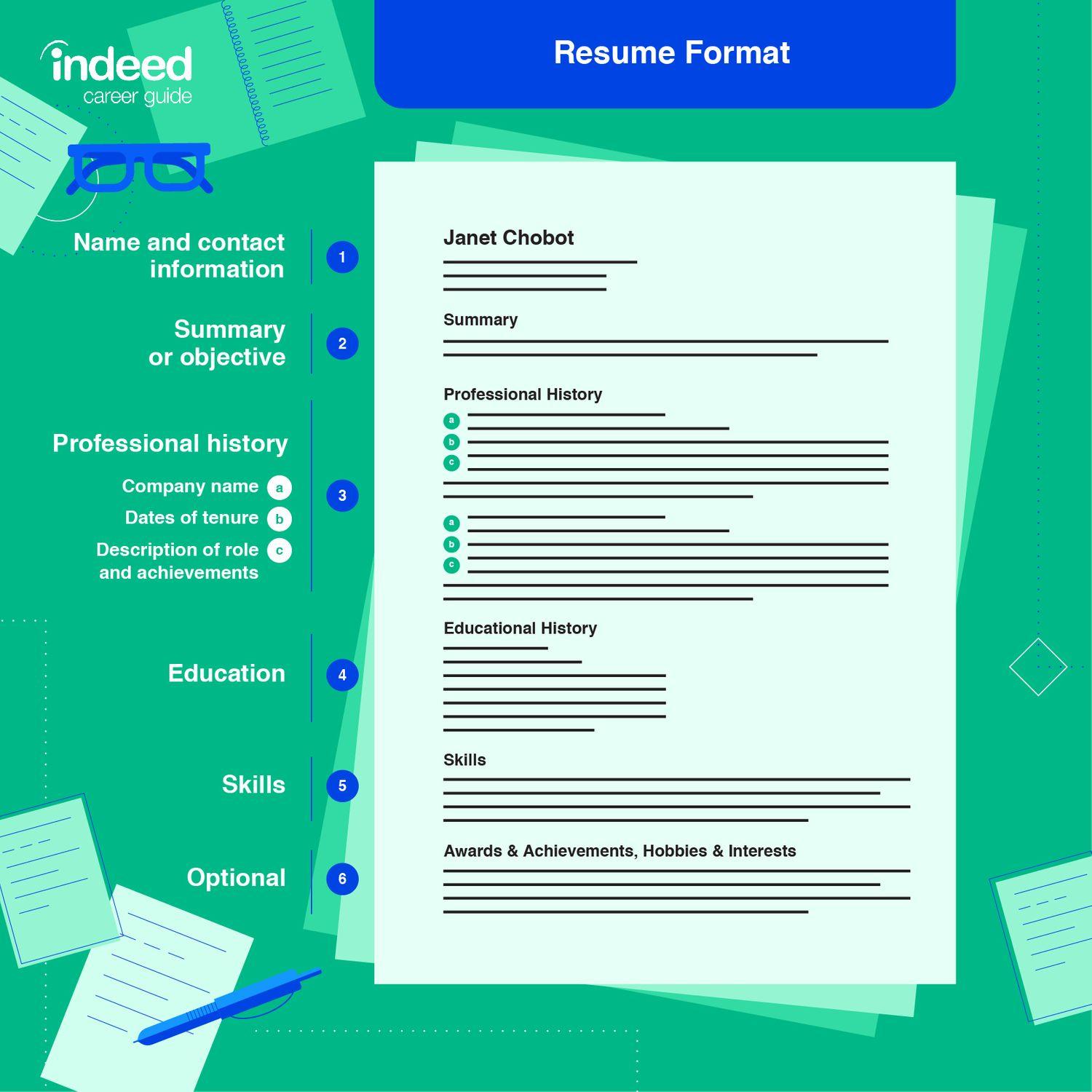
- Showcase Relevant Skills: Highlight your technology training, problem-solving abilities, and customer service experience on your resume and during interviews.
- Demonstrate Initiative: Prove your passion for education technology by pursuing certifications, participating in tech workshops, or volunteering for tech integration projects.
- Emphasize Soft Skills: Stress your communication, collaboration, and adaptability—vital for handling diverse audiences in educational settings.
- Network: Engage with edtech communities,attend local and virtual conferences,and join professional organizations to learn from peers and discover job opportunities.
- Stay Informed: Keep up-to-date with emerging trends in digital learning, educational software, and instructional design best practices.
Sample job description: Training and Support Coordinator
Below is a typical job description to give you insight into what universities,colleges,and schools seek when recruiting Training and Support Coordinators:
- Design and deliver technology training (in-person and online) for faculty,staff,and students
- Provide prompt and effective first-line support for educational technology platforms
- Create comprehensive user guides,tutorials,and job aids to facilitate ongoing learning
- Assess and analyze training needs and user feedback to refine programs
- Contribute to the planning and rollout of new education technology initiatives
- Maintain strong relationships with academic and IT teams to ensure seamless support
Conclusion
Pursuing a career as a Training and Support Coordinator in education technology is both impactful and rewarding. By blending technology know-how with a passion for education, you play a key role in empowering teaching and learning communities. Whether you are just starting or looking to elevate your edtech career, mastering the core skills, understanding the job’s responsibilities, and constantly upgrading your expertise will position you for long-term success. Start your journey today and become an indispensable part of the digital education revolution!