
Top Skills and Roles of an Agile Project Manager: Your Guide to Agile Leadership
Are you passionate about steering innovation in education technology? Universities,colleges,and schools are increasingly turning to Agile Project Managers to drive impactful digital conversion. With the rapid evolution in EdTech, the demand for skilled Agile leaders has never been higher. If you aspire to launch or grow your career in education technology,especially in project management,this complete guide will help you master the top skills,understand the core roles,and discover tips for thriving as an Agile Project Manager in academic institutions.
Understanding the Role of an agile Project Manager in Education Technology
An Agile Project Manager in education technology (EdTech) orchestrates teams to deliver high-quality solutions—such as digital learning platforms, assessment tools, or IT infrastructure—on time and within scope.Unlike customary project managers, Agile Project Managers employ Agile principles like adaptability, collaboration, and iterative progress. In universities, colleges, and schools, they work closely with educators, IT specialists, content creators, and administrators to deliver value that enhances both teaching and learning experiences.
Key Responsibilities in EdTech environments
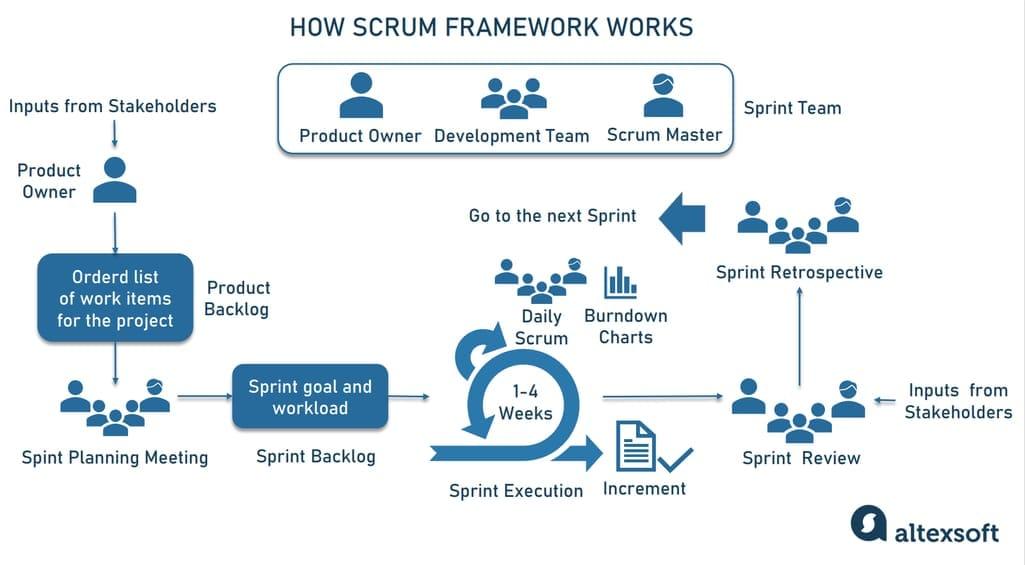
- Facilitating Agile ceremonies—stand-ups, sprint planning, sprint reviews, and retrospectives
- Coordinating cross-functional teams (developers, instructional designers, educators, technicians)
- Managing product backlogs and prioritizing tasks
- Removing impediments that slow team progress
- Communicating project objectives, progress, and challenges to stakeholders
- Ensuring compliance with educational data security and privacy regulations
- Promoting a culture of continuous betterment
Top Skills Required for Agile Project Managers
Success as an Agile Project Manager in education technology draws on a blend of technical knowledge, soft skills, and a nuanced understanding of academic environments. Here are the most sought-after skills:
1. Agile Methodology Mastery
- Strong knowledge of Scrum, Kanban, or other Agile frameworks
- Ability to adapt Agile practices to align with educational workflows
- Continuous experimentation and learning
2. Leadership and Team Building
- Inspiring and motivating cross-disciplinary teams
- Facilitating collaboration between faculty, tech staff, and administrators
- Supporting professional growth of team members
3. Effective Dialog
- Simplifying complex technical concepts for non-technical stakeholders
- Active listening and tailored messaging for diverse audiences
- transparent documentation and status reporting
4. Problem-Solving and Adaptability
- Responding proactively to changes in requirements or challenges
- Identifying potential risks and deploying creative solutions
- Encouraging adaptability in the face of shifting educational priorities
5.Technical proficiency
- Familiarity with EdTech tools and platforms (LMS,cloud solutions,classroom technology)
- Competence in relevant project management software (Jira,Trello,asana)
- Knowledge of educational data standards and security protocols
6. Stakeholder Management
- Building positive relationships with academic leaders,IT directors,and external vendors
- Managing expectations and balancing multiple priorities
- Facilitating feedback loops with end-users (students,faculty,administrators)
7. Change Management
- Guiding organizations through transitions in technology and workflow
- Empowering educators and staff to embrace new systems
- Ensuring user training and adoption of new EdTech initiatives
Key Roles of Agile Project Managers in Universities, Colleges, and Schools
Agile Project Managers fulfill several critical roles in the EdTech ecosystem. Here are some you might specialize in or encounter during your career:
- scrum Master: Acts as a servant-leader, coaching team members and ensuring Agile best practices are followed
- Product Owner: Collaborates with stakeholders to develop and prioritize the product backlog, ensuring educational value is maximized
- Facilitator: Organizes and leads meetings, bridges communication gaps, and fosters a collaborative culture
- Change Agent: champions continuous improvement and innovation throughout the institution
- Risk Manager: anticipates obstacles and mitigates risks that affect project delivery
- Quality Advocate: Drives the continuous pursuit of high standards and learner-centered outcomes
Benefits of Agile Project management in EdTech
Agile project management offers transformative benefits for universities, colleges, and schools implementing technology initiatives:
- Faster Time-to-Value: Quick iterations enable faster delivery of digital tools and platforms
- Higher stakeholder Engagement: Frequent feedback cycles keep faculty, staff, and students involved
- Improved Flexibility: Teams can pivot quickly in response to new educational needs or challenges
- Enhanced Quality: Regular testing and user feedback drive continuous improvement
- Reduced Risks: Incremental releases uncover issues early, preventing costly setbacks
- Greater Collaboration: Cross-functional teamwork breaks down silos and builds shared ownership
How to Become a Triumphant Agile Project Manager in Education Technology
Embarking on a career as an Agile Project Manager in edtech? Here are actionable strategies to help you stand out and succeed:
1.Invest in Professional Development
- Pursue certifications such as Certified ScrumMaster (CSM), Agile Certified Practitioner (PMI-ACP), or equivalent
- Stay informed about emerging EdTech trends and tools
- Attend industry conferences and webinars focused on education technology
2. Build a Strong EdTech Portfolio
- document successful projects that demonstrate your skills and impact
- Showcase how you’ve applied Agile principles in education environments
- Provide references or testimonials from previous teams or institutions
3. Network within the Academic and EdTech Communities
- Connect with educators, IT managers, and industry experts on professional platforms
- Participate in online communities dedicated to Agile, EdTech, and project management
- Collaborate on cross-institutional initiatives to broaden your experience
4. Stay Adaptable and Solution-Focused
- Embrace new tools, frameworks, and pedagogical approaches
- Practice active listening and empathy with all stakeholders
- Maintain a growth mindset—it’s essential for continuous improvement
Top Interview Tips for Aspiring EdTech Agile Project Managers
When you step into an interview for an agile Project Manager position in a university, college, or school, demonstrate not only your technical acumen but also your understanding of educational missions. Here are some strategies you can use:
- Articulate how Agile project management transforms teaching and learning for the better
- Share stories of how you navigated complex, multi-stakeholder projects
- highlight your ability to adapt Agile methodologies for academic rigor and compliance
- Explain your approach to balancing technology innovation with data privacy and security in schools
- Ask insightful questions that reveal your interest in continuous learning and improvement
Conclusion: Charting Your Path as an Agile Project Manager in edtech
Pursuing a career as an Agile Project Manager in education technology is both exciting and impactful. By mastering key agile skills, embracing leadership roles, and understanding the nuances of academic institutions, you can play a pivotal role in shaping the future of digital learning. As universities, colleges, and schools invest in innovative technologies, your expertise in Agile project management will make you an invaluable asset. Start building your EdTech experience,invest in training,and cultivate networks to seize the abundant opportunities in this thriving field—and become an Agile leader who powers educational transformation.