
top Skills and Roles of an E-Learning Developer: Your Guide to a Successful Career
Are you passionate about blending technology and education to create impactful learning experiences? E-Learning developers play a pivotal role in shaping the future of education at universities, colleges, and schools worldwide. This in-depth guide will walk you through the essential skills, roles, and practical tips to launch or elevate your career as an E-Learning Developer in education technology.
Why Choose a Career as an E-Learning Developer?
With the rapid integration of digital tools in educational institutions, the demand for skilled e-learning developers is at an all-time high. Universities, colleges, and schools seek innovative professionals who can design, develop, and implement engaging online courses and digital learning solutions.
- High demand: the continued growth of online education ensures a steady demand for E-Learning Developers.
- Diverse opportunities: Work in K-12 schools,higher education,corporate training,or as a freelance consultant.
- Make an impact: Enhance access to quality education for diverse learner populations.
- Competitive salaries: E-Learning Developers frequently enough enjoy rewarding compensation and excellent growth prospects.
The Key roles of an E-learning Developer
Understanding the responsibilities attached to the E-Learning Developer role is essential for aspiring professionals seeking jobs in education technology. Here are the primary duties you can expect:
1. Instructional Design and Content Advancement
- Analyze learning objectives and audience needs.
- Design engaging, interactive e-learning modules and courses.
- Create storyboards, scripts, and prototype digital learning experiences.
- Integrate multimedia elements such as video, audio, graphics, and animation to enhance learning.
2. technology Integration
- Utilize Learning Management Systems (LMS) like Moodle, Blackboard, or Canvas.
- Develop SCORM-compliant and responsive content.
- Ensure seamless integration of e-learning content with institutional systems.
3. Project Management
- Coordinate with subject matter experts, instructors, and stakeholders.
- Manage project timelines, resources, and deliverables.
- Conduct quality assurance testing and usability reviews.
4. Assessment and Evaluation
- Design effective assessments to measure learning outcomes.
- Analyze learner feedback and performance data to improve course effectiveness.
- Revise and update course content based on feedback and technological advancements.
5. Support and Training
- Provide technical support for faculty and learners.
- Train educators on how to use and create e-learning resources.
- Develop user guides and resource documentation.
Top Skills Required for E-Learning Developers
To thrive in a university, college, or school setting as an e-learning developer, you’ll need a robust mix of technical, creative, and interpersonal skills. Here are the competencies most valued by education technology employers:
1. Instructional Design Principles
- Deep understanding of pedagogical frameworks (ADDIE,SAM,Bloom’s Taxonomy,etc.).
- Experience with adult learning theory and differentiated instruction.
2. Technical Proficiency
- Mastery of e-learning authoring tools (Articulate Storyline, Adobe Captivate, Lectora, etc.).
- Knowledge of HTML5, CSS, and basic scripting for customization.
- familiarity with video editing tools and graphic design software.
3. Learning Management System (LMS) Expertise
- Effective use of major LMS platforms.
- Ability to troubleshoot and optimize LMS functionalities.
4. Project Management Abilities
- Excellent organization, time management, and multitasking skills.
- Experience with project management methodologies (Agile, Waterfall, Scrum).
5. Communication and Collaboration
- Clear, concise verbal and written communication.
- Strong teamwork and stakeholder engagement abilities.
6. Analytical and problem-Solving Skills
- Data-driven mindset for evaluating course effectiveness.
- Creativity in resolving learning and technology challenges.
Typical Work Environment and Career Pathways
E-Learning Developers are highly valued in various educational settings. Here’s what you can expect from a career in universities, colleges, or schools:
- Collaboration: Work closely with instructional designers, IT staff, faculty, and educational researchers.
- flexibility: Opportunities for remote work or hybrid arrangements.
- Professional growth: Transition into roles like Learning Experience Designer, educational Technologist, or E-Learning Project Manager.
- Leadership: With experience, move into strategic roles guiding institution-wide digital learning initiatives.
Benefits of Pursuing a Career in E-Learning Development
- Job Security: As digital change accelerates, e-learning expertise is indispensable.
- Personal Fulfillment: Shape educational journeys and make a direct impact on students’ success.
- Continuous Learning: Work on cutting-edge technology and stay ahead in education trends.
- Dynamic Work: Blend creativity, technology, and education in every project.
How to Get Started as an E-Learning Developer
If you are eager to embark on this rewarding career path, follow these actionable steps to increase your chances of landing a sought-after role in education technology:
1. Build a Strong Educational Foundation
- Pursue a bachelor’s or master’s degree in education, instructional design, or educational technology.
- Attend relevant workshops, webinars, and certification courses.
2. Develop a Portfolio
- Showcase completed e-learning modules, storyboards, and interactive multimedia samples.
- Document your problem-solving abilities and the impact of your work on learner outcomes.
3. Gain Practical Experience
- Volunteer for educational technology projects at local schools or non-profits.
- Apply for internships or part-time roles to accumulate hands-on experience.
4.Network with Professionals
- Join professional associations like the International Society for Technology in Education (ISTE).
- Engage in online communities and attend education technology events.
5. Stay Current with Trends and Technologies
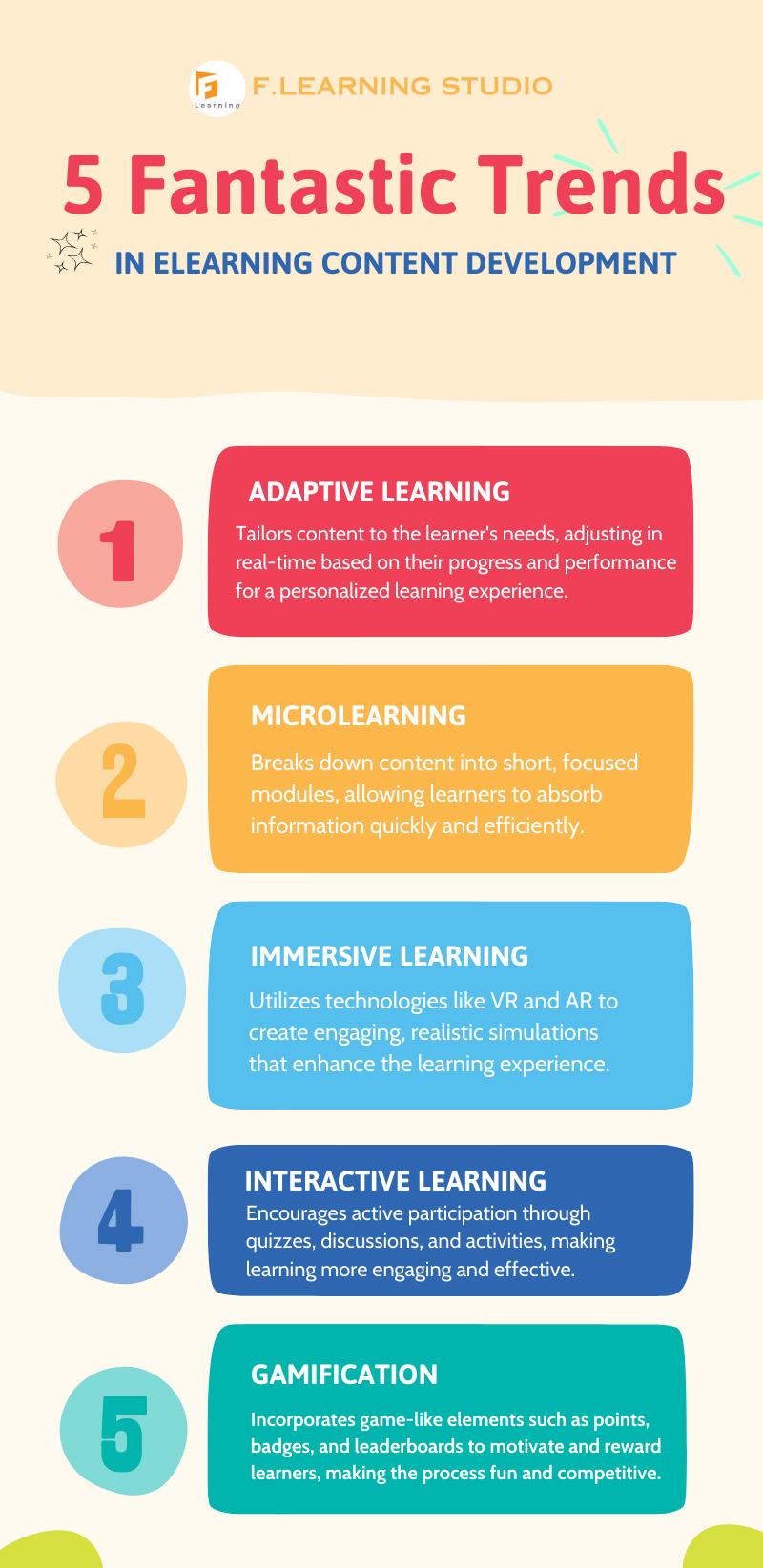
- Keep learning about AI, VR, mobile learning, gamification, and adaptive learning platforms.
- Read industry blogs, academic journals, and participate in continuous skill development.
Practical Tips for Job Seekers in Education Technology
Landing a job as an E-Learning Developer in a university, college, or school can be competitive. Here are some practical tips to help you stand out:
- Customize Your Resume: Highlight education technology skills, instructional design expertise, and experience with authoring tools relevant to the job posting.
- Demonstrate Outcomes: Quantify your achievements. For example, mention improvements in course completion rates or learner engagement scores after implementing your e-learning modules.
- Prepare for Interviews: Practice explaining complex technical concepts in simple terms,and be ready to walk through your portfolio pieces step-by-step.
- Show Adaptability: Emphasize your willingness to learn new platforms or processes and your ability to adapt to evolving educational needs.
- Build a personal Brand: Share your e-learning projects on social media or professional sites to demonstrate your passion for education technology.
Conclusion: Your Future as an E-Learning Developer
A role as an E-learning Developer in education technology is not only rewarding and impactful but also versatile and future-proof. By developing in-demand skills, gaining hands-on experience, and continuously learning, you will be well-placed to secure a thriving career in universities, colleges, or schools.
Are you ready to shape the future of digital learning and make a difference in the lives of learners worldwide? Start your journey today—your career as a successful E-Learning Developer in education technology awaits!