
Top Skills & Career Guide for Assessment Analysts: Roles, Responsibilities & Salary Insights
Are you interested in a rewarding career as an Assessment Analyst in the field of education technology? Wiht the increasing reliance on data-driven insights and digital assessment tools, universities, colleges, and schools are actively seeking talented individuals to fill this role. Whether you’re new to education technology or looking to advance your career, this comprehensive guide outlines the essential skills, duties, benefits, salary expectations, and practical tips for aspiring Assessment Analysts. Let’s dive in and discover what makes this career path both promising and impactful.
What is an Assessment Analyst?
An Assessment Analyst plays a pivotal role in educational institutions by analyzing and improving assessment systems, processes, and results. The position sits at the intersection of education, data analytics, and technology, ensuring that assessment strategies are effective, equitable, and aligned with learning outcomes.assessment Analysts help faculty, administrators, and students by translating complex data into actionable insights—supporting academic achievement and institutional goals.
Key Roles and Responsibilities of an Assessment Analyst
The responsibilities of an assessment Analyst may vary depending on the institution and its requirements, but common duties include:
- Designing Assessment Tools: Creating rubrics, surveys, tests, and othre digital or paper-based assessment instruments tailored to specific programs or courses.
- Data Collection & Analysis: Gathering data from various sources, such as learning management systems (LMS), exams, quizzes, and surveys. Applying statistical techniques to interpret results and identify trends.
- Reporting & Presenting Findings: Generating clear, accurate reports for faculty, administrators, and stakeholders. Presenting insights through visualizations and user-amiable dashboards.
- Ensuring Compliance: Verifying that assessment practices meet local, national, and accreditation standards, including ADA and FERPA requirements.
- Collaborating with Educators: Partnering with teachers, professors, and instructional designers to refine assessment strategies and improve educational outcomes.
- Quality Assurance: Evaluating the reliability and validity of assessment tools to ensure consistency and fairness.
- Technology Integration: Implementing and optimizing EdTech platforms, assessment software, and data management tools.
Top Skills required for Assessment Analysts
To excel as an Assessment Analyst in education technology,several core competencies are essential. These skills not only increase your employability but also position you for long-term success in EdTech careers.
technical Skills
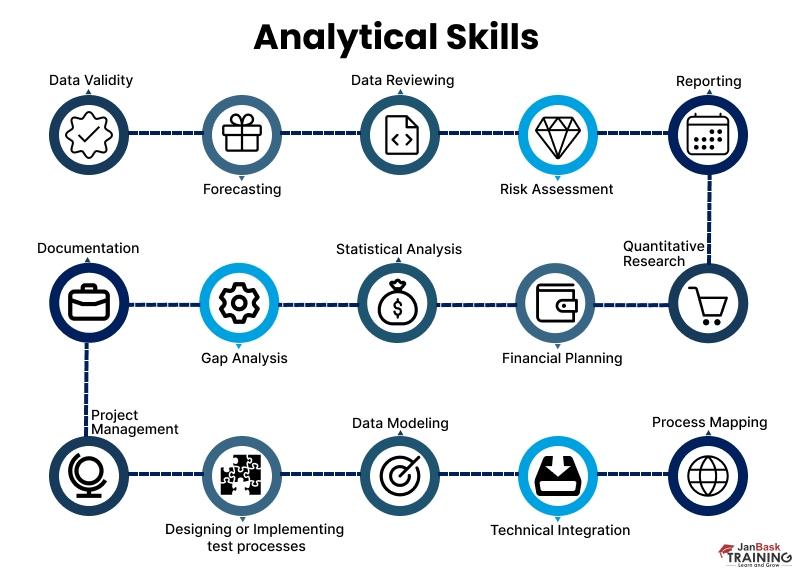
- Data Analytics: proficiency in data analysis tools such as Excel, SPSS, SAS, R, or Python. Ability to interpret quantitative and qualitative data.
- Statistical Methods: Understanding of basic and advanced statistics, such as reliability, validity, item analysis, and inferential statistics.
- Assessment Software: Experience with learning management systems (e.g.,Canvas,Blackboard,Moodle),survey platforms,and digital assessment tools.
- Data Visualization: skill in using programs like Tableau, Power BI, or Google Data Studio to create actionable reports and dashboards.
Soft skills
- Dialog: Ability to present complex data to non-technical audiences, write clear reports, and explain findings to stakeholders.
- Collaboration: Teamwork skills for working with faculty, IT staff, and administrators.
- Attention to Detail: A sharp eye for data integrity, accuracy, and the nuances of educational measurement.
- Problem-Solving: Capacity to identify challenges in assessment processes and propose evidence-based solutions.
- Organizational Skills: Managing multiple projects, deadlines, and compliance requirements.
Educational Background and Certifications
- Bachelor’s degree in Education, Psychology, data Science, Statistics, or a related field.
- Advanced degrees (Master’s or Ph.D.) in Educational Measurement, Evaluation, or Educational Technology can enhance career prospects.
- Professional certifications in assessment, analytics, or EdTech platforms (such as ISTE or Google Educator) are valued.
Career Pathways for Assessment Analysts in EdTech
Assessment Analysts enjoy a variety of career options within educational institutions and beyond. These include:
- University and College Assessment Offices: supporting academic departments and institutional effectiveness teams.
- K-12 School districts: Designing and evaluating standardized tests, formative assessments, and district-wide performance measures.
- EdTech Companies: Contributing to the development, marketing, and improvement of assessment-related products or services.
- Government and Non-Profit organizations: Advising on policy, research, and compliance for large-scale assessment initiatives.
- Consultancy: Providing expert advice on assessment strategy, accreditation, and data management.
Salary Insights for assessment Analysts
Compensation for Assessment analysts in education technology varies based on experience,location,and institutional type. Here are typical salary ranges (as of 2024):
- Entry-Level Positions: $48,000 – $60,000 annually
- Mid-Level Analysts: $62,000 – $80,000 annually
- Senior Assessment Analysts or Managers: $82,000 – $100,000+ annually
Factors influencing salary include:
- Advanced degrees or certifications
- Geographic region
- Type of institution (public, private, university, school, EdTech firm)
- Scope of responsibilities and leadership roles
Benefits of Working as an Assessment Analyst in Education Technology
Choosing a career as an assessment Analyst offers several advantages:
- Impact: Directly contribute to improving educational quality and student achievement.
- Career Growth: opportunities to advance into roles like Institutional Research, Educational consultant, or EdTech Product Manager.
- Work-Life Balance: Many educational institutions offer stable hours and generous leave policies.
- Professional Development: Access to ongoing learning through conferences, workshops, and networking events in education technology.
- Job Stability: Consistent demand for data-driven decision-making in education ensures robust job prospects.
Practical Tips for Aspiring Assessment Analysts
Ready to launch your career in educational assessment? Here are actionable steps to help you stand out while applying for Assessment Analyst jobs:
- Build Relevant Experience: Seek internships, research assistantships, or volunteer roles that involve data collection and analysis in educational settings.
- Learn Assessment Software: Get hands-on practice with popular EdTech platforms and data visualization tools; consider free or low-cost online courses.
- Develop Portfolio projects: Create examples of assessment reports, dashboards, or improvement strategies you’ve designed. Display these on a personal website or in your resume.
- Network with Professionals: Join education technology forums, attend webinars, and connect with Assessment Analysts on professional social media platforms.
- Customize Your Resume and Cover Letter: Highlight your skills in data analytics, communication, and assessment strategy tailored to each institution’s needs.
- Stay Informed: Read industry reports, journal articles, and educational blogs to keep up with trends in assessment and EdTech.
Why Education Technology Needs assessment Analysts
Institutions depend on Assessment Analysts to ensure that evaluation methods are fair, comprehensive, and technologically advanced. As education shifts online and hybrid learning becomes the norm, the demand for skilled professionals who understand both data and pedagogy continues to rise. Assessment Analysts bridge the gap between raw data and actionable change—helping schools, colleges, and universities meet accreditation requirements and drive student success.
Conclusion
Assessment Analysts in education technology serve as vital linchpins in the evolving world of higher education, K-12 schools, and EdTech organizations. By combining robust analytical skills, technological prowess, and a passion for educational improvement, you can position yourself for a future-proof career full of growth and impact. Whether you’re just starting your journey or looking to take the next step, mastering the top skills and embracing the opportunities in EdTech assessment will set you apart in a competitive market. Embark on your career today and become a driving force for positive change in education technology.