
Top Skills & Career Guide: software Engineer in EdTech
Are you passionate about both technology and education? Do you dream of building platforms that empower teachers and students to achieve more? As a Software Engineer in educational technology (EdTech), you can bridge the gap between innovation and learning in impactful ways. Whether you aim to work at universities, colleges, or K-12 schools, this career guide will equip you with the must-have skills, benefits, career paths, and actionable tips to land your dream EdTech role.
Why Pursue a Software Engineer Role in EdTech?
Technology is rapidly transforming the educational landscape. Platforms for digital classrooms, e-learning modules, student management systems, and adaptive learning algorithms are now central to how universities, colleges, and schools operate. As a Software Engineer in EdTech,you’ll directly contribute to shaping the future of education,making learning more accessible,engaging,and effective.
- Meaningful Impact: Develop solutions that support teachers, students, and administrators.
- Growth Opportunities: The EdTech sector is projected to grow exponentially,fueling constant innovation and demand for tech-savvy talent.
- Multidisciplinary Collaboration: Work with educators, designers, curriculum developers, and fellow engineers to create holistic platforms.
Key Responsibilities of a Software Engineer in EdTech
Before diving into the required skills, it’s important to understand the typical responsibilities you might expect in EdTech engineering roles:
- Designing and developing scalable e-learning systems and applications
- Maintaining, testing, and optimizing educational software and platforms
- Integrating third-party applications such as Learning Management Systems (LMS)
- Collaborating with faculty and content experts to translate educational requirements into technical solutions
- Ensuring data security and privacy compliance (e.g., FERPA, GDPR) within educational environments
- Analyzing user feedback to enhance platform usability and accessibility
Essential Skills for Success in EdTech Software Engineering
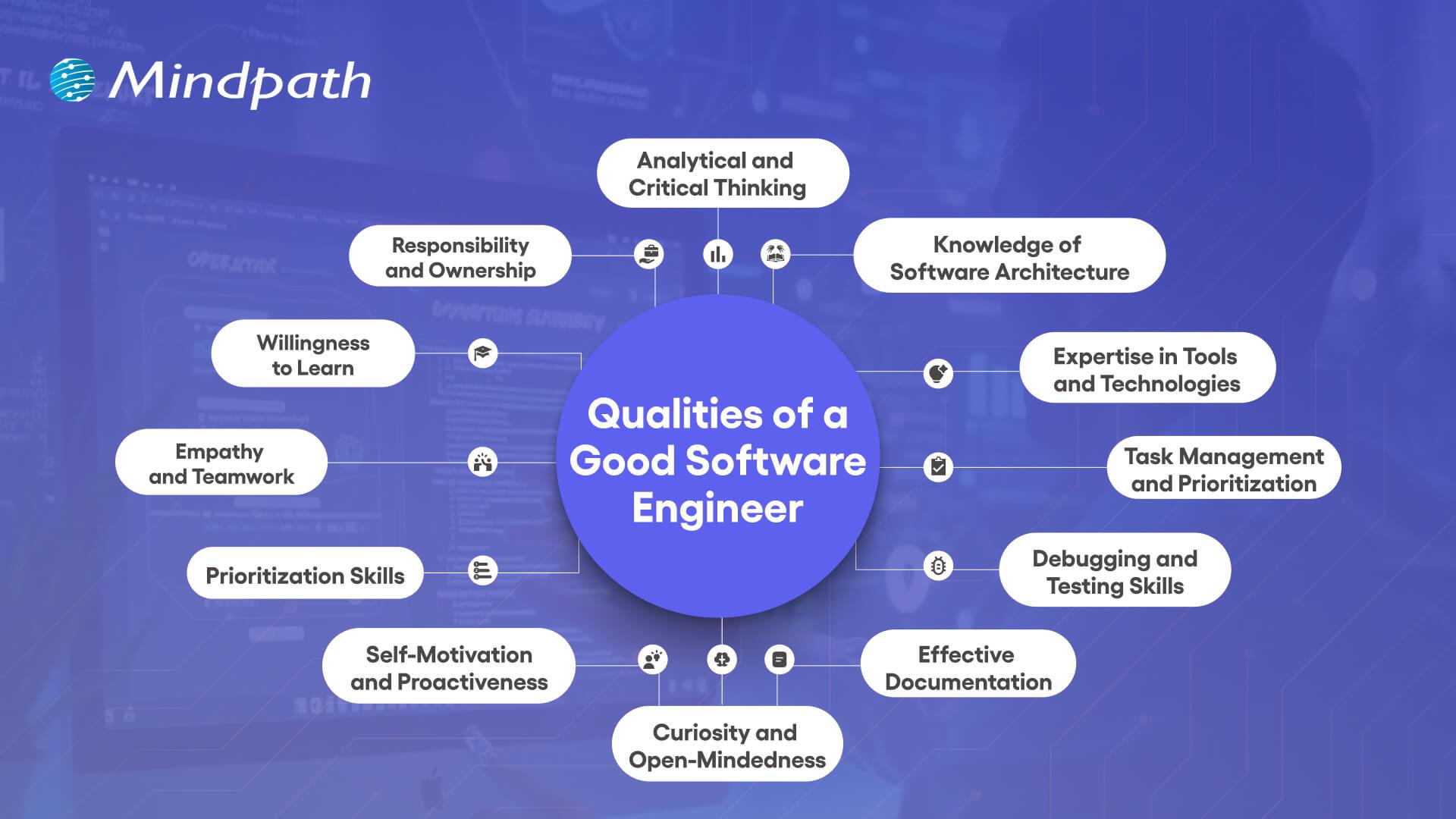
If you want to stand out in this field, cultivating a well-rounded skills toolbox is essential. Here are the top skills for aspiring EdTech Software Engineers:
1. Programming Languages & Frameworks
- JavaScript (React, Angular, Vue.js): For building interactive front-end interfaces.
- Python (Django, Flask): Widely used for back-end growth, especially in education-related analytics.
- Java & Kotlin: Essential for developing Android mobile education apps and enterprise-grade systems.
- Swift: Required for iOS learning solutions.
2. Educational Domain Knowledge
- Familiarity with LMS platforms (e.g., Moodle, Canvas, Blackboard)
- Understanding of digital pedagogy and curriculum standards
- Knowledge of adult learning principles and K-12 needs
3. Database management & Integration
- Proficient in SQL (PostgreSQL,MySQL) and NoSQL (mongodb,Firebase)
- Experience with data modeling for student information and analytics
- Implementing API integrations with academic and third-party tools
4.Cloud Computing & DevOps
- Working knowledge of AWS, Microsoft Azure, or Google Cloud
- CI/CD pipeline development for smoother deployments
- Containerization technologies (Docker, Kubernetes)
5. Accessibility & UX/UI Design
- Designing for WCAG compliance and diverse learner needs
- User testing with both educators and students
6. Security & Privacy
- Implementing data protection standards specific to educational settings
- Securing sensitive student and faculty information
7. Soft Skills & Cross-Functional Dialog
- Collaborating with non-technical stakeholders
- Effective project management and agile practices
- Problem-solving and critical thinking
Benefits of a Software Engineering career in EdTech
Pursuing a Software Engineer role in educational technology offers unique personal and professional rewards:
- Purpose-Driven Work: Your code can help students from diverse backgrounds excel academically.
- Clear Career Progression: Various pathways including EdTech Architect, Technical Lead, or product Manager.
- Work-Life Balance: Many educational organizations prioritize balanced schedules,hybrid,or remote work options.
- Diverse Challenges: Every project could target a different aspect of digital learning, from assessment tools to immersive AR/VR experiences.
Career Paths and Growth Opportunities in EdTech
There’s more than one avenue to grow as a software engineer in educational technology.Here are some potential career paths:
- front-End Developer: Specialize in building interactive, accessible interfaces for students and educators.
- Back-End Developer: Focus on APIs, data management, and robust learning platforms’ infrastructure.
- Full-Stack Engineer: Combine both front-end and back-end skills for holistic platform engineering.
- Mobile App Developer: Create cross-platform apps for flexible, on-the-go learning experiences.
- DevOps Engineer: optimize development pipelines, deployments, and system scalability.
- Technical Lead or Architect: Drive the vision for product architecture and mentor junior developers.
- EdTech Product Manager: Transition into overseeing platform strategy and development cycles.
In-Demand Technologies and Tools in EdTech
Staying updated with the latest tools is crucial. Here’s what’s trending in the EdTech landscape:
- Learning Analytics platforms: Power BI, Tableau, Google Analytics for Education
- collaboration Suites: Google Workspace for Education, microsoft Teams for Education
- Coding Bootcamp Platforms: Codecademy-style interactive environments
- AR/VR & Gamification: Unity, Unreal Engine, WebXR for immersive classroom experiences
- Adaptive Learning Engines: AI/ML-driven platforms for personalized content
- Assessment Tools: tools for online testing, plagiarism detection, and grading automation
Practical Tips to Launch Your EdTech Software Engineering Career
- Build a Strong Portfolio: Develop projects targeting real classroom needs, such as a simple LMS, a quiz app, or Gradebook.
- Contribute to Open Source: Many EdTech projects welcome new contributors (try Moodle or Canvas extensions).
- Network at edtech Events: Attend educational technology conferences and webinars to meet hiring managers and gain industry insights.
- Showcase User-Centric Mindsets: Highlight in your resume or interviews how your projects have positively impacted learning experiences.
- Stay Current: Follow EdTech leaders, blogs, and journals to keep pace with rapidly evolving trends, especially around AI, gamification, and remote learning.
- Master Soft Skills: Communication and empathy are highly valued when working with educators and administrators who may have limited tech backgrounds.
- Highlight Compliance Knowledge: Understanding academic privacy and security regulations is a key differentiator in the education sector.
Sample Pathway: From Graduate to EdTech Software Engineer
- Education: Earn a degree in Computer Science, software Engineering, or a related field. Courses in educational psychology or instructional design can provide an added advantage.
- Specialized Learning: Obtain EdTech-specific certifications or attend online courses covering LMS development or education data analytics.
- Project Experience: Intern or volunteer with universities, colleges, or schools developing digital learning tools.
- Apply Strategically: Target university or school job boards, educational software startups, and nonprofit organizations with educational mission statements.
- Continuous Enhancement: Seek mentorship from senior engineers in the EdTech space and aim to integrate user feedback into your work.
Conclusion: Shape the Future of Learning with EdTech Engineering
Embarking on a career as a Software Engineer in EdTech opens up a world where technical expertise meets educational impact. By building digital solutions for universities, colleges, and schools, you have the power to foster inclusive, innovative, and effective learning environments. Focus on mastering both core engineering skills and education-specific competencies, stay attuned to the latest trends in technology and pedagogy, and embrace a lifelong learning mindset.
Whether you’re just starting or aiming to advance your EdTech career, the opportunities are vast and the rewards are deeply meaningful. Step forward and help redefine education for the next generation!