
Top Skills & Career Path for a Software engineer in EdTech: What You Need to Know
Are you considering a career in education technology as a software engineer at a university,college,or school? With the rapid advancement of digital learning platforms and increased reliance on technology in education,software engineers in EdTech are in high demand.This comprehensive guide covers everything you need to know about becoming a successful software engineer in the EdTech sector—including top skills, career pathways, practical tips, and the unique benefits of this dynamic industry.
why EdTech Needs skilled Software Engineers
Education technology, or EdTech, is revolutionizing how knowledge is delivered and accessed, from interactive online classrooms to powerful assessment platforms and administrative tools.Software engineers in EdTech not only design and build these systems but also ensure that digital tools meet the evolving needs of educators and learners alike. Universities, colleges, and schools are continually seeking talented software engineers to develop innovative solutions and improve educational outcomes.
Essential Skills for Software Engineers in EdTech
To thrive as a software engineer in education technology, there are several core skills and competencies you must cultivate.The following list outlines both technical and soft skills valued in EdTech environments:
technical Skills
- Programming Languages: Proficiency in languages such as Python, Java, JavaScript, C#, or Ruby is fundamental. Experience with frameworks like React, Angular, or Vue.js is highly regarded, as these are commonly used in web and mobile request development.
- Database Management: Knowledge of SQL, NoSQL, and cloud-based databases (like Firebase or AWS DynamoDB) is critical for managing student data, learning materials, and analytics.
- Cloud Services & DevOps: Familiarity with platforms like AWS, Azure, or Google Cloud, as well as containerization and deployment tools (docker, Kubernetes), improves efficiency and scalability for educational applications.
- Frontend & Backend Development: Full-stack expertise allows you to handle both client-side and server-side development, wich is highly desirable in resource-constrained educational institutions.
- Learning Management Systems (LMS): Experience with LMS platforms like Moodle, Blackboard, or Canvas helps in integrating or custom-building education software.
- APIs & integrations: Ability to create and consume RESTful APIs ensures seamless connectivity between different educational tools and services.
- Security & Privacy: Understanding data privacy laws (FERPA, COPPA, GDPR) and best practices in application security is essential when handling sensitive student information.
- Accessibility Standards: Knowledge of WCAG and inclusive design ensures all users, including those with disabilities, can benefit from education technology.
Soft Skills
- Collaboration: Working closely with teachers, administrators, and other stakeholders is vital in edtech. Effective communication bridges the gap between technical and non-technical team members.
- Problem-solving: Educational institutions often have unique technological challenges; a creative, solution-oriented mindset is invaluable.
- Adaptability: The edtech landscape evolves rapidly. A willingness to learn new technologies and approaches will keep you relevant and valuable.
- Empathy: Understanding the end users—students and educators—enables software engineers to develop meaningful and user-centric education solutions.
- Project Management: Skills in Agile methodologies, time management, and task prioritization help keep development projects on track.
Core Responsibilities of a Software Engineer in EdTech
While the specific duties can vary depending on the institution and project, software engineers in EdTech are typically responsible for:
- Designing, coding, testing, and deploying educational software applications.
- Maintaining and updating existing learning management or assessment platforms.
- Integrating third-party tools and services to enhance educational offerings.
- Collaborating with educators, instructional designers, and IT teams to define technical requirements and desired outcomes.
- Ensuring data privacy and system security in compliance with educational regulations.
- Troubleshooting user issues and performing regular system audits for performance improvements.
- Documenting technical processes and providing support or training for end-users.
Typical Career path for a Software Engineer in EdTech
With the growth of educational technology,career paths in this field have become increasingly diverse and rewarding.Here’s an overview of possible progression for a software engineer in edtech:
1. Entry-Level Positions
- Junior Software Engineer / Developer: Focuses on coding, bug fixes, and supporting development projects under supervision.
- QA Engineer: Ensures the reliability and usability of education apps and platforms through rigorous testing and validation.
2. Mid-Level Roles
- Software Engineer / Developer: Takes on more complex projects, leads small teams, and contributes to architectural decisions.
- Product Engineer: Works closely with product teams to develop features based on educational needs.
- Integration Specialist: Focuses on connecting disparate systems and ensuring smooth data exchange between learning platforms.
3. Advanced Opportunities
- Senior Software Engineer: Leads major projects, mentors junior developers, and shapes the technical vision of EdTech solutions.
- Solutions Architect: Designs system architecture for scalable and secure educational applications.
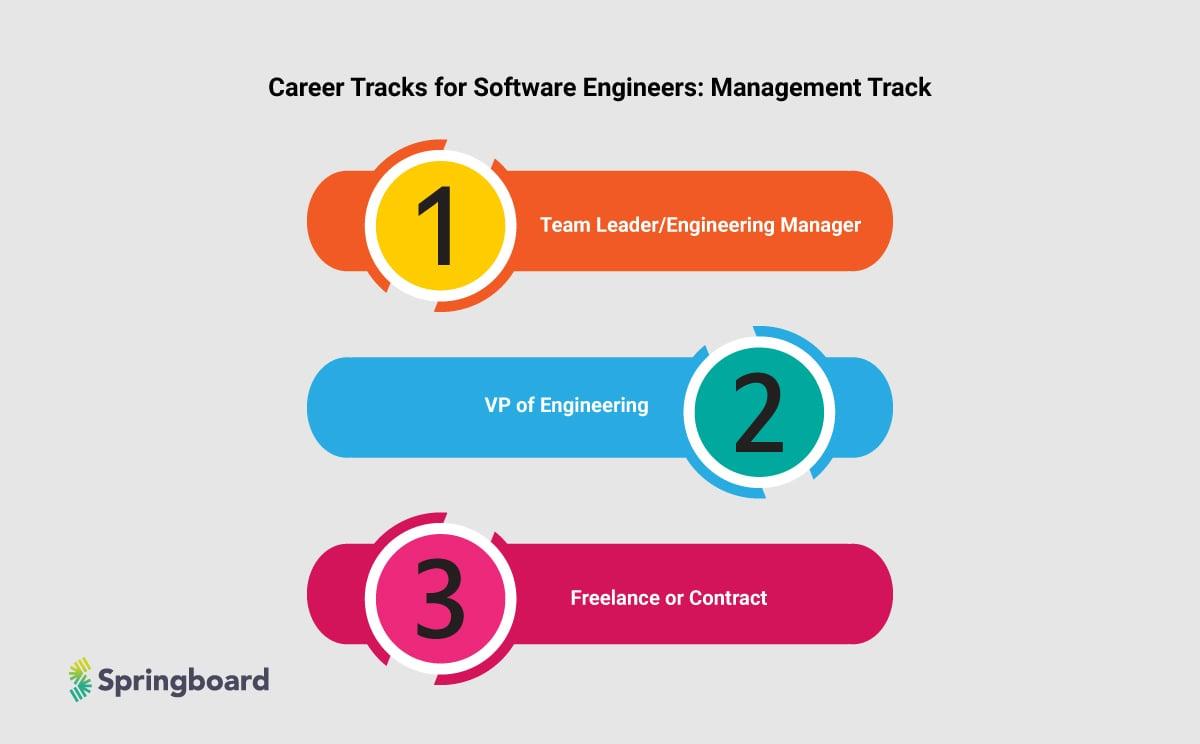
- Engineering Manager: Oversees development teams and bridges product, business, and technical strategy.
- Director of Technology / CTO: Sets technology direction for the institution, managing broader digital transformation initiatives.
Benefits of Working as a Software Engineer in EdTech
An EdTech software engineering career offers several unique benefits, including:
- Making a Positive Impact: Your work directly enhances learning experiences and educational access for students worldwide.
- Job stability and Growth: The demand for educational technology solutions ensures a steady need for skilled engineers.
- Innovative Projects: EdTech roles often involve cutting-edge technologies and creative problem-solving.
- Collaborative Habitat: You’ll work alongside educators, instructional designers, and administrators to shape the future of learning.
- Opportunities for Advancement: With a blend of technical and educational expertise, career advancement in EdTech can be rapid and fulfilling.
Practical Tips for Landing a Software Engineer Job in EdTech
Breaking into the EdTech industry and advancing your software engineering career requires a strategic approach. Here are practical tips to help you stand out:
- Build an EdTech-Focused Portfolio: showcase projects or applications that highlight your ability to solve educational challenges. these might include open-source contributions, LMS plugins, or custom grade calculators.
- Demonstrate Understanding of Educational Processes: Familiarize yourself with classroom dynamics, assessment mechanisms, and curriculum standards to better align your solutions with educational needs.
- Earn Relevant Certifications: Certifications in cloud computing, security, project management, or accessibility can elevate your resume and credibility.
- Network Within the Education Community: Attend EdTech conferences, webinars, or online forums to connect with potential employers and peers.
- Highlight Adaptability: Emphasize your eagerness to learn new tools and adapt to rapidly changing educational technology trends.
- Showcase Soft Skills: Communicate your ability to work collaboratively with non-technical educational staff and to translate tech-speak into actionable recommendations.
- Stay Up-to-Date: Keep abreast of the latest trends in EdTech, such as adaptive learning, AI in education, and mobile-first platforms, to maintain your edge.
How to Advance Your Career as a Software Engineer in EdTech
Once you’ve established yourself in the field, continuous learning is key to growth.Consider the following strategies:
- Seek Mentorship: Learn from seasoned professionals who can provide guidance on career development and emerging technologies.
- Contribute to Open-Source EdTech Projects: Gain experience and visibility within the community.
- Pursue Advanced Education: A master’s degree in computer science, education, or a related field can increase your leadership potential in EdTech.
- Develop Leadership Skills: If you’re interested in management,build your leadership and project management competencies.
- Engage in Interdisciplinary Collaboration: Broaden your expertise by working with curriculum designers, data analysts, and educational psychologists.
Conclusion
the education technology sector presents exciting opportunities for software engineers passionate about driving change and innovation in academic environments. By developing a well-rounded blend of technical and soft skills, understanding the needs of educators and learners, and proactively engaging with the EdTech community, you can forge a rewarding career path at universities, colleges, or schools.
Whether you’re just starting or looking to advance in education technology, focusing on continuous learning, collaboration, and impact-driven projects will help you stand out and succeed. The future of education depends on skilled, innovative software engineers—so now’s the perfect time to explore the possibilities in edtech and begin shaping the classrooms of tomorrow.