
Top Skills & Career Paths for a Software Engineer in EdTech: Your Guide to Success
Are you a passionate software engineer aiming to make a real impact in education technology? As universities, colleges, and schools invest in digital transformation, the demand for skilled EdTech professionals is soaring. Discover how you can leverage your technical expertise for a rewarding career, the essential skills you need, and the diverse career paths available in the thriving EdTech industry.
Why Choose a Career as a Software Engineer in EdTech?
The fusion of technology and education is revolutionizing how we teach and learn. By joining the EdTech sector as a software engineer, you get the chance to influence the future of education, develop innovative learning tools, and create greater access to knowledge. the dynamic environment in schools, colleges, and universities provides endless opportunities for professional growth and personal satisfaction.
- Mission-driven work: Make a difference by helping educators and students succeed.
- Continuous innovation: Be at the forefront of AI, adaptive learning platforms, and digital classrooms.
- Job security: Education technology is a rapidly expanding sector with growing job opportunities.
- Career versatility: Choose from a variety of roles, from backend progress to product management.
Essential Skills for a Software Engineer in EdTech
To excel as a software engineer in EdTech, you’ll need a unique blend of technical proficiencies and soft skills. Here are the most sought-after skills by universities, colleges, and schools looking for top EdTech talent:
1. Technical Skills
- Programming Languages: Proficiency in languages such as Python,JavaScript,Java,and Ruby is essential. Knowledge of TypeScript,C#,or Swift can be advantageous for diverse EdTech platforms.
- Web Development: Experience with both front-end (React, Angular, Vue.js) and back-end (Node.js, Django, Ruby on Rails) frameworks is highly valued.
- Mobile App Development: Building cross-platform educational apps using Flutter, React Native, or native frameworks (Android/iOS).
- Database Management: Familiarity with relational (MySQL,PostgreSQL) and NoSQL (MongoDB,Firebase) databases to manage educational data securely and efficiently.
- Cloud Computing: Experience with AWS, Azure, or Google Cloud for scalable e-learning solutions.
- API Integration: Skills in integrating third-party APIs such as LMS, assessment tools, or video conferencing platforms (like Zoom).
- Data Security & Privacy: Understanding of FERPA, GDPR, and othre regulations ensures safe handling of student data.
- AI & Machine Learning: Leveraging AI for adaptive learning,personalized education,or predictive analytics is increasingly important in EdTech.
- DevOps & Automation: Familiarity with CI/CD pipelines and deployment tools to maintain robust and reliable digital classrooms.
2. Soft Skills & Domain Knowledge
- Interaction: Collaborate effectively with educators, UX designers, and product managers to translate educational needs into technical solutions.
- Problem-Solving: Approach complex challenges in learning environments with creativity and practicality.
- User-Centric Design: Prioritize accessibility and usability, ensuring solutions are intuitive for students and educators.
- Project management: Agile methodologies, time management, and task prioritization are crucial for delivering quality educational products on schedule.
- Empathy: Understanding the needs and challenges of educators and learners enhances the relevance of your technical solutions.
Key Career Paths for Software Engineers in EdTech
EdTech offers diverse career opportunities for software engineers at every experience level. Here are some of the top career paths you can pursue in universities, colleges, and school environments:
1. Full Stack Developer
Develop and maintain both front-end and back-end components for learning management systems, digital libraries, and assessment platforms.
2.Mobile Application Developer
Create mobile-friendly educational apps for iOS and Android, focusing on accessibility, gamification, and remote learning features.
3. EdTech Product Engineer
Work closely with cross-functional teams to design, prototype, and build innovative educational products tailored to specific institutional needs.
4. AI/ML Specialist
Leverage artificial intelligence and machine learning algorithms to personalize learning experiences and develop bright tutoring systems.
5. DevOps engineer
Ensure the continuous integration, deployment, and scaling of edtech platforms, maintaining uptime and security for mission-critical educational tools.
6. Educational Data Analyst/Engineer
Transform vast datasets into actionable insights to improve teaching methods, predict student outcomes, or recommend adaptive interventions.
7. Security Engineer
Safeguard student records, assessment data, and platform integrity, ensuring compliance with privacy laws in academic settings.
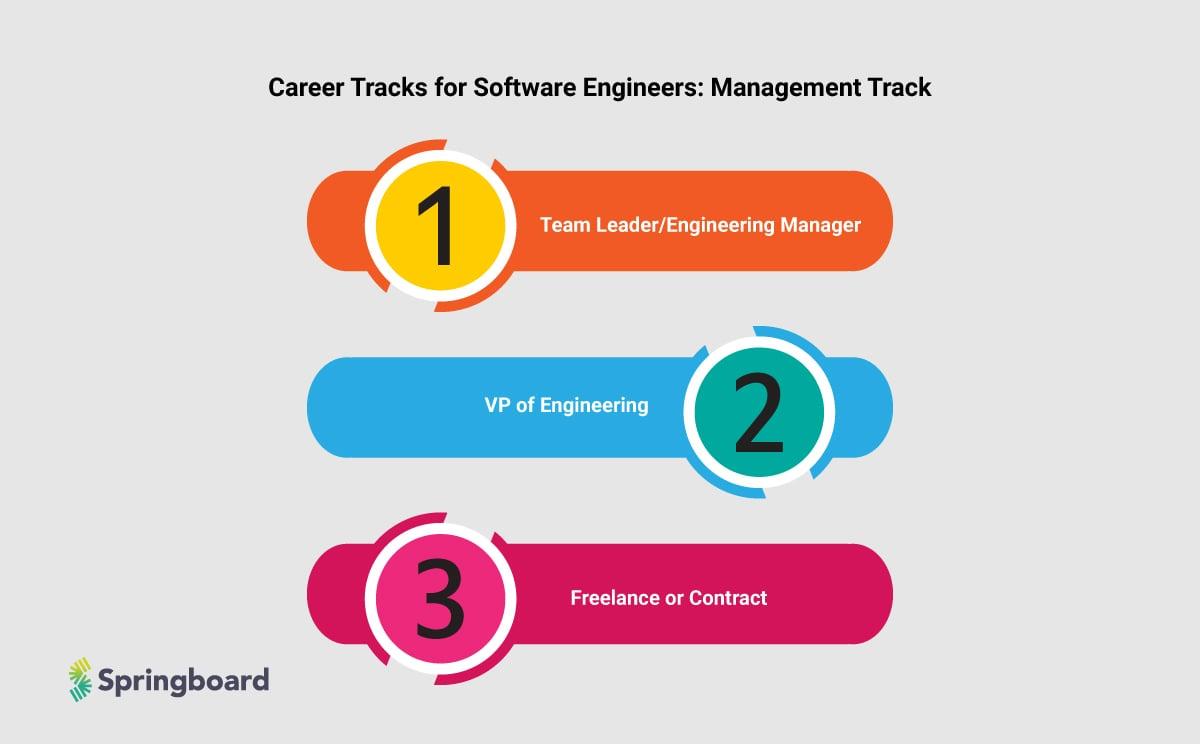
8. Technical Lead/engineering Manager
Guide software engineering teams, set project priorities, and drive technical innovation within educational institutions.
benefits of a Software Engineering Career in EdTech
Why are so many software engineers choosing EdTech as their career destination? These unique benefits set education technology apart:
- Meaningful Impact: Shape the educational journeys of thousands of learners worldwide.
- Creativity & Innovation: Solve real-world problems using emerging technologies tailored to educational settings.
- Professional Growth: Opportunities for upskilling in AI, cloud computing, and education-specific technologies.
- Work-Life Balance: Many universities and schools offer flexible work arrangements, generous vacation, and professional development budgets.
- Inclusive & Collaborative Culture: Work in purposeful teams with educators, instructional designers, and researchers.
Practical Tips for Landing Your Dream EdTech Software Engineer Role
Breaking into EdTech as a software engineer at a university,college,or school can be highly competitive.Here’s how to stand out and secure your ideal job:
1. Build EdTech Experience
- Contribute to Open-Source EdTech Projects: Participate in initiatives like moodle,Canvas,or custom tools used by educational institutions.
- Create a Portfolio: Showcase personal projects (e.g., quiz apps, virtual classrooms, accessibility tools) tailored to educational needs.
2. Acquire Relevant Certifications
- Pursue certifications in web development, cloud architecture, or data privacy relevant to education technology.
- Specialized EdTech credentials (e.g., instructional design, e-learning development) are highly valued.
3. Network with the EdTech Community
- Attend EdTech conferences, webinars, and hackathons to expand your professional connections.
- Engage with thought leaders and recruiters on forums and social media platforms dedicated to education technology.
4. Stay Updated on EdTech Trends
- Subscribe to EdTech newsletters and follow industry publications to keep current with new technologies and best practices.
- Continually upskill in AI,AR/VR,adaptive learning,or cybersecurity for education.
5.Tailor Applications to the Academic Sector
- Highlight relevant projects, internships, or volunteer work specific to education technology.
- Demonstrate your understanding of FERPA, accessibility requirements, and digital pedagogy in your cover letters and interviews.
What Do Employers Look For?
Universities, colleges, and schools hiring software engineers for EdTech roles seek more than just strong coding skills. Here’s what can set you apart as a candidate:
- Demonstrated interest in education: Previous experience working with educators or understanding learning methodologies.
- Commitment to accessibility and inclusion: Knowledge of WCAG standards and dedication to creating resources for all learners.
- Experience with institutional EdTech platforms: Familiarity with tools like Blackboard, Moodle, or Google Classroom.
- Adaptability: Ability to thrive in evolving academic settings and respond to emerging educational challenges.
- Collaborative mind-set: Willingness to work with diverse teams in a highly interdisciplinary environment.
Conclusion: Your Future in EdTech Awaits
The EdTech industry is transforming the way knowledge is shared and consumed in academic settings. As a software engineer, you can drive this transformation by equipping learners and educators with cutting-edge digital solutions. With the right mix of technical skills, domain expertise, and a genuine passion for improving education, you’ll stand out as a top candidate in this high-impact, future-focused field.Start building your EdTech journey today—your contributions could shape the next generation of learning in universities, colleges, and schools around the world.