
Top Skills & Careers: How to Succeed as an Interaction Designer in EdTech
Dreaming of combining your passion for design with the booming field of educational technology? As universities, colleges, and schools rapidly adopt new digital tools, the demand for interaction designers in EdTech has never been higher. Whether you’re a new graduate or a seasoned designer eager to switch careers, this thorough guide will walk you through the essential skills, career pathways, benefits, and tips to help you thrive as an interaction designer in the education technology sector.
What is an Interaction Designer in EdTech?
An interaction designer in EdTech focuses on crafting engaging,intuitive,and accessible digital experiences for educational software,apps,e-learning platforms,and virtual classrooms. Your primary goal is to enhance how students, educators, and administrators interact with educational technologies, ensuring that these platforms are both effective and easy to use.
why Choose a Career in EdTech Interaction Design?
- Meaningful Impact: Your work directly influences how students learn and succeed, making a tangible difference in society.
- Growing Industry: with the rise of remote learning, learning management systems (LMS), and digital content, EdTech is a booming field offering job security and growth.
- Innovation Opportunities: Work on cutting-edge projects using emerging technologies like AI, AR/VR, and adaptive learning.
- Collaborative Environment: Join interdisciplinary teams with educators, developers, and product managers.
- Flexible Career Paths: EdTech interaction designers can work within universities, colleges, K-12 schools, education startups, or established tech companies.
Top Skills Every EdTech Interaction Designer Needs
Succeeding as an interaction designer in education technology requires a blend of hard and soft skills. Here are the key competencies you’ll need to master:
1. User Experience (UX) Design
- Design engaging, accessible interfaces focused on diverse learners’ needs
- Conduct user research, usability testing, and create user personas
- Build wireframes, prototypes, and user flows for educational platforms
2. user Interface (UI) Design
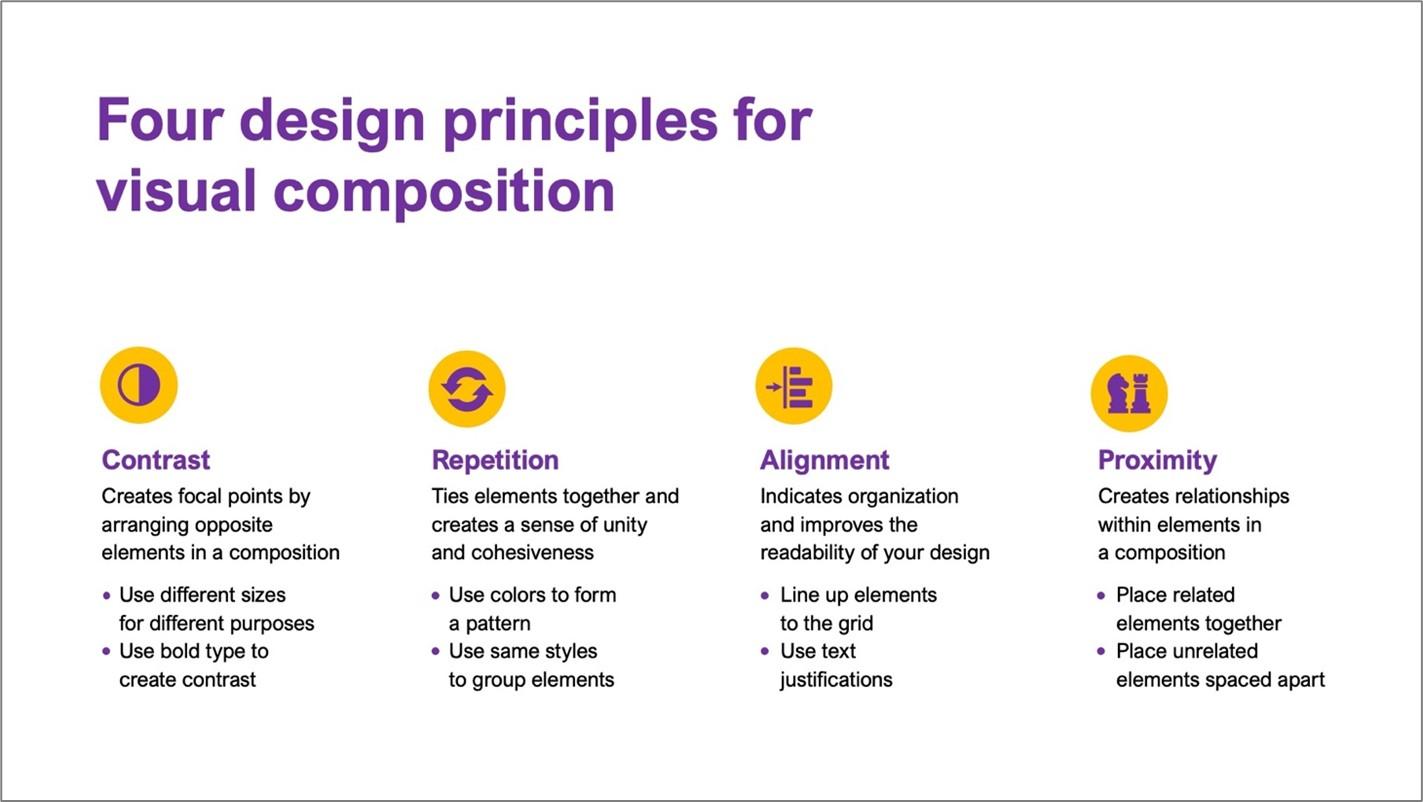
- Apply best practices in visual design, colour theory, and typography
- Maintain consistency with branding and accessibility standards (like WCAG)
3. Educational Technology Awareness
- Understand the unique challenges in digital learning, including student engagement and digital accessibility
- stay updated on the latest EdTech trends, tools, and pedagogy
- Familiarity with platforms such as Learning Management Systems (LMS), e-learning modules, and mobile apps
4. Interaction Design Principles
- Design clear navigation and intuitive interaction patterns
- Implement feedback mechanisms and systems that adapt to user needs
5. Technical Proficiency
- Basic knowledge of HTML, CSS, and possibly JavaScript for prototyping and effective collaboration with developers
- Proficiency with design tools such as Figma, Sketch, Adobe XD, or Axure
- Ability to storyboard and use prototyping tools
6. Dialog & Collaboration
- Work seamlessly with cross-functional teams – including educators, students, developers, and product managers
- Present and articulate design decisions backed by research and data
- Empathy for learners and educators’ unique pain points
7. Problem-Solving & Analytical Thinking
- Analyze data to inform design
- Iterate swiftly based on user feedback
- Translate educational goals into effective interactive solutions
Career paths and Job Opportunities for EdTech Interaction Designers
Educational institutions and EdTech firms hire interaction designers for a variety of stimulating roles. Some common career titles and growth opportunities include:
- Interaction Designer – Design workflows, interactive elements, and user journey maps for digital learning platforms.
- UX/UI Designer (EdTech) – Oversee all aspects of user experience and interface design for apps used by students and educators.
- Learning Experience (LX) Designer – Focus on how meaningful educational experiences happen digitally and physically.
- Product Designer – Blend interaction, visual, and product strategy for new or existing educational products.
- Researcher (UX/Learning) – Lead user research to guide the creation of new EdTech tools and features.
- Instructional Designer – Create engaging e-learning content and interactive lesson plans, frequently enough in partnership with faculty or curriculum developers.
- Design Lead / manager – Manage and mentor other designers, set the design vision for EdTech products, and liaise with stakeholders.
Industries & Employers:
- Universities and colleges developing custom digital courses and resources
- K-12 schools focusing on blended or fully online learning
- EdTech startups building next-generation apps or adaptive learning tools
- Established technology companies with a focus on education products
Practical Tips to Land an EdTech Interaction designer Role
- Build an Impactful portfolio: Showcase your best work,emphasizing projects that involve education,accessibility,or social impact. Include case studies explaining your design process and outcomes.
- Network with Educators and Technologists: Attend EdTech conferences, webinars, and join online communities to make valuable connections.
- Stay Updated on Education Trends: Subscribe to EdTech journals and blogs to remain informed about industry developments.
- Upskill Continuously: Take online courses or certifications in areas like accessible design, instructional design, or UX research for education.
- Tailor Your Applications: Customize your resume and cover letter for each role, highlighting relevant EdTech skills and experience.
- Prepare for Scenario-Based Interviews: Demonstrate your approach to solving real-world EdTech problems. Employers value candidates who think critically about pedagogy, engagement, and scale.
Benefits of Working as an Interaction Designer in EdTech
- Job Satisfaction: Directly impact learners’ lives, shaping the future of education.
- Professional Growth: Opportunities to specialize in niches like mobile learning,accessibility,or data-driven design.
- Creative Freedom: Collaborate on unique projects requiring inventiveness, empathy, and design thinking.
- Flexible Work Arrangements: Many educational institutions and EdTech companies offer remote or hybrid work options.
- Competitive Salary: High demand and a specialized skill set drive strong compensation packages.
- Diversity and Inclusion: The education sector fosters environments welcoming to all backgrounds and perspectives.
How to Advance Your EdTech Interaction Design Career
- Seek Feedback: Regularly collect input from end-users (students, teachers), peers, and supervisors to refine your design approach.
- Pursue Specializations: Consider becoming an expert in areas such as gamification, adaptive learning, or AR/VR applications in education.
- Mentor Others: Share your insights with junior designers and collaborate on cross-functional teams to build leadership skills.
- Publish Thought Leadership: Write articles or give talks at EdTech events to build your professional brand and stay on top of trends.
- Stay flexible: As education technology evolves, be ready to learn new tools and methods.
Conclusion
If you are passionate about design and eager to make a difference in the world of education, a career as an interaction designer in EdTech can be both rewarding and impactful. By mastering the core skills, understanding the nuances of the education sector, and continually pushing your creative and technical boundaries, you can thrive in this dynamic field. With the right preparation and mindset, landing your dream role at a university, college, school, or EdTech firm is well within reach. Embrace lifelong learning and step confidently into a future at the intersection of design and education technology!