
Top Skills Every Instructional Design Consultant Needs in 2024
Are you considering a career as an instructional design consultant in education technology? Whether you aim to work at universities, colleges, or schools, knowing the top skills in demand for 2024 is essential to landing your ideal job. The education sector is rapidly evolving, driven by technological innovation, diverse learner needs, and the shift towards blended and online learning. This comprehensive guide will help job seekers discover the essential skills they need to excel as an instructional design consultant and stand out to employers in the dynamic edtech landscape.
Why Demand for Instructional Design Consultants Is Growing
As more institutions adopt digital learning environments, instructional design consultants play a key role in shaping effective learning experiences. They’re responsible for analyzing educational needs, crafting engaging and accessible curricula, and integrating technology for optimal outcomes. With 2024 seeing increased focus on personalized, data-driven instruction, the skills required for instructional design consultants have both widened and deepened.
core Skills Every Instructional Design Consultant Needs in 2024
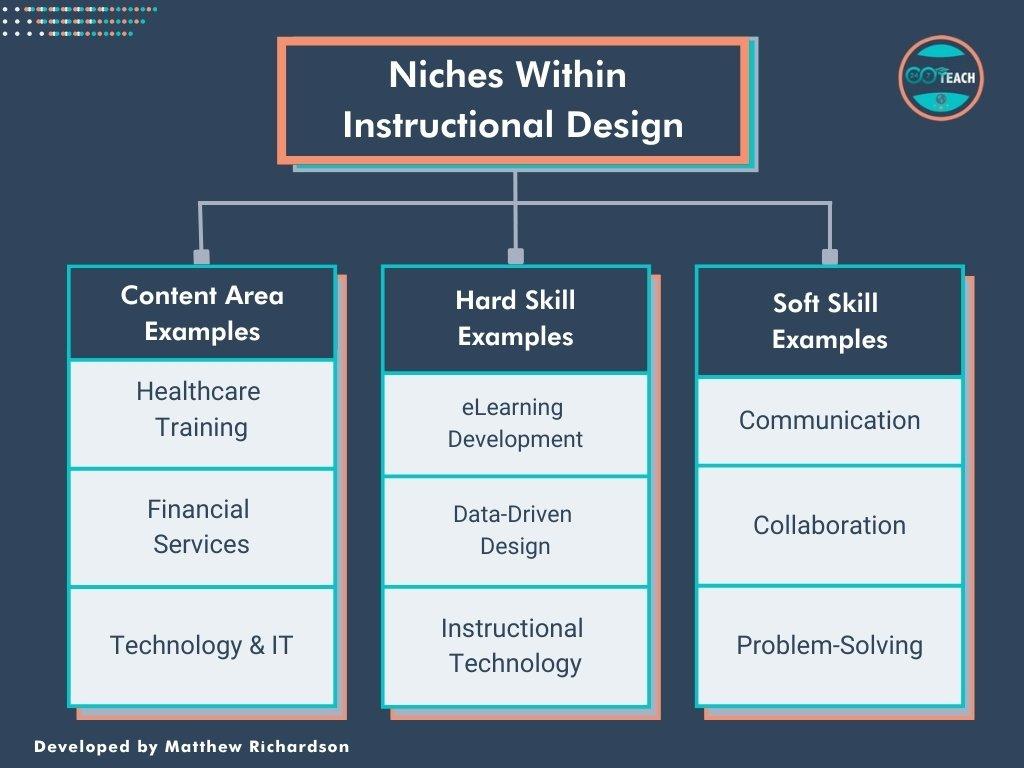
Employers expect instructional design consultants to bring a blend of specialized technical know-how and strong interpersonal abilities. Here’s a breakdown of the top instructional design skills you should develop:
1. Curriculum and Instructional Design Expertise
- Understanding of Learning Theories: Applying cognitive, behavioral, and constructivist theories to real-world instructional strategies.
- Backward Design and ADDIE Model: Expertise in popular frameworks, including backward design, ADDIE, SAM, and Universal Design for Learning (UDL).
- Assessment Progress: Designing formative and summative assessments that align with learning objectives and measure mastery.
2. Technology Integration and Digital Literacy
- LMS Proficiency: Navigating major learning management systems (LMS) such as Canvas,Moodle,Blackboard,and Google Classroom.
- Multimedia & Authoring Tools: Skilled in tools like Articulate storyline, Adobe Captivate, Camtasia, and H5P for creating engaging digital content.
- Educational Software & Emerging EdTech: Knowledge of adaptive learning platforms, AI-driven tools, and technologies like virtual and augmented reality.
3. Strong Communication & Collaboration
- Stakeholder Engagement: Effectively collaborating with faculty,administrators,and technical staff to develop successful learning solutions.
- Instructional Material Presentation: Able to clearly communicate complex concepts to diverse audiences in both written and verbal forms.
- Feedback and Iteration: Embracing constructive criticism and leading continuous improvement efforts.
4. Project Management & Agile methodologies
- Timeline and Resource Management: Managing multiple projects within deadlines and budget constraints.
- Agile Principles: Applying iterative,flexible development practices to instructional projects.
- documentation & Workflow Optimization: Using project management software like Trello, Asana, or Monday.com to organize tasks and teams.
5. data analytics and Learning Assessment
- Data-Driven Decision Making: interpreting learner analytics from LMS platforms to refine instructional strategies and improve course outcomes.
- Evaluation Techniques: Using surveys, quizzes, and qualitative methods to assess program effectiveness.
6. Accessibility and Inclusion
- Universal design for Learning (UDL): Creating materials that accommodate diverse learning preferences and abilities.
- ADA & WCAG Compliance: Ensuring all digital resources follow accessibility requirements for visually, hearing, and physically impaired learners.
- Culturally Responsive Content: Designing inclusive curricula that recognize and celebrate student diversity.
7. Change Management and Leadership
- Leading Digital Change: Guiding faculty and staff through transitions to new learning technologies and pedagogies.
- Professional Development Facilitation: offering training sessions, workshops, and coaching to build institutional capacity.
Soft Skills That Set Instructional Design Consultants Apart
While technical skills are essential, successful instructional design consultants also excel in several soft skills:
- Problem-Solving: Innovative solutions to instructional challenges, adapting to diverse learning needs.
- Critical Thinking: evaluating instructional strategies with an evidence-based approach.
- Empathy: Understanding learner perspectives and ensuring supportive environments.
- Flexibility: Adapting to fast-paced changes in EdTech, research, and educational best practices.
Benefits of Mastering Instructional Design Consultant Skills
By acquiring the essential instructional design skills, you’ll enjoy several career benefits:
- Increased Employability: Stand out to schools, colleges, and universities seeking EdTech experts.
- Career Advancement: Progress to senior roles like learning experience designer, curriculum director, or EdTech manager.
- Job Satisfaction: Engage in meaningful work that transforms learners’ lives and supports faculty development.
- Adaptability: Thrive amid changing technologies and educational trends.
Practical Tips for Aspiring Instructional Design Consultants
Are you ready to sharpen your skills and pursue a rewarding career in EdTech? Consider the following practical strategies:
- Build a Professional Portfolio: Showcase your projects, course designs, and digital learning modules to impress employers.
- Pursue Professional Certifications: credentials in instructional design, eLearning development, and EdTech platforms add credibility.
- Network and Stay current: Join professional associations, attend webinars, and engage in online communities to keep up with innovations.
- Seek mentoring and feedback: Connect with experienced instructional designers and regularly seek constructive insights.
- Continual Learning: Enroll in workshops or courses to advance your knowledge in areas like AI in education, advanced analytics, or gamification.
Preparing for a Successful EdTech Job Application in 2024
When applying for instructional design consultant positions at universities,colleges,or schools,tailor your resume and cover letter to showcase:
- Relevant technical and soft skills from this article
- Specific project outcomes and measurable impact on learning
- Examples of collaboration and leadership
- Proficiency with LMS platforms,authoring tools,and accessibility standards
Prioritizing these elements in your application will help you catch the attention of hiring managers and demonstrate your readiness for the demands of 2024’s educational technology landscape.
Conclusion
Combining solid instructional design expertise, advanced technical skills, and strong interpersonal abilities is the key to success for instructional design consultants in 2024. The education technology field is filled with opportunities for passionate,skilled professionals who can design transformative learning experiences and drive institutional innovation. By assessing your current abilities, upskilling in high-demand areas, and presenting a strong case to employers, you’ll be well-equipped to secure a fulfilling instructional design consultant role at a university, college, or school. start building your future in EdTech today, and help shape the next generation of learning!