
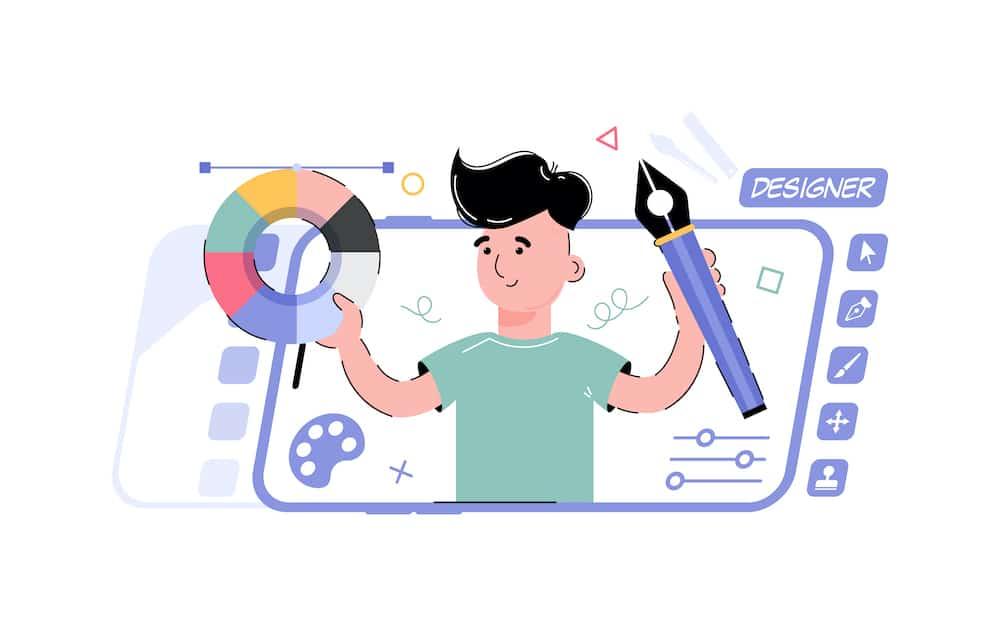
Top Skills Every Instructional Designer Needs for Success in 2024
Are you aspiring to land an education technology job as an Instructional Designer at a university, college, or school? The landscape of instructional design is evolving rapidly, and staying ahead means mastering the skills that matter most for 2024. In this complete guide, we’ll uncover the top instructional designer skills, why they’re crucial in the current academic environment, and actionable tips to help you boost your career prospects. Whether you’re just starting out or seeking to advance in your role,read on for essential insights on succeeding in education technology!
Understanding the Role of Instructional Designers in Education Technology
Instructional Designers are the architects behind engaging,effective learning experiences. By leveraging educational technology, these professionals create curriculum, digital courses, and interactive materials tailored for universities, colleges, and schools. As the demand for blended and online learning continues to grow, so does the need for skilled instructional designers who can combine pedagogy and technology to drive student success.
why instructional Designer Skills Matter in 2024
The education sector is embracing digital transformation more than ever before, with online and hybrid learning models becoming the norm. Employers now seek instructional designers who are well-versed in using education technology,understanding learner needs,and developing innovative solutions. Staying competitive means knowing which skills are most valued—and how to present them effectively on your resume and in interviews.
Top Skills Every Instructional Designer Needs for Success in 2024
Here are the key instructional designer skills that are in high demand at universities, colleges, and schools:
1. Mastery of Learning Management Systems (LMS)
- Familiarity with popular LMS platforms: Like Canvas, Blackboard, Moodle, and google Classroom
- Course creation and management: Building modules, assessments, and interactive elements within the LMS
- Data analysis: Tracking learner progress and using analytics to improve course design
Instructional designers must be adept at not only navigating LMS environments but also optimizing features to enhance the student experience.
2. Curriculum & Instructional Design Skills
- Applying learning theories: Such as Bloom’s Taxonomy or Worldwide Design for Learning for varied instructional needs
- Needs assessment: Analyzing learner profiles and stakeholder requirements
- Creating clear learning objectives: ensuring every lesson is purposeful and measurable
Effective instructional design goes beyond aesthetics—it’s about aligning course goals, content, and assessments for measurable learning outcomes.
3. Digital Content Creation and Multimedia Skills
- Graphic design: Using tools like Canva, Adobe Creative Cloud, or Snagit to create compelling visuals
- Video/audio production: Crafting instructional videos, podcasts, or animations for diverse learners
- Interactive content: Building quizzes, simulations, and branching scenarios
The ability to produce engaging multimedia content is vital in capturing learner attention and accommodating different learning styles.
4. Collaboration and Communication
- Working with faculty and subject-matter experts: Translating complex data into accessible curriculum
- Feedback management: Receiving and implementing input from diverse stakeholders
- Clear, concise written and verbal communication: Essential for documentation, instructions, and teamwork
Instructional designers function as project managers and team players, so soft skills in collaboration and communication are a must.
5. Technology Integration & Adaptability
- Staying current with EdTech trends: Exploring AI-driven tools, virtual/augmented reality, gamification, and mobile learning apps
- Quick learning curve: Adapting to new platforms and software as they emerge
- Troubleshooting: Addressing technical challenges efficiently
In 2024, instructional designers must remain agile, ready to embrace new innovations that can enrich the academic experience.
6. Assessment Design & Evaluation
- Constructing effective assessments: Quizzes, exams, rubrics, project-based evaluations
- Data-driven betterment: Using analytics and feedback to refine educational materials
- Ensuring alignment: Assessments that match learning objectives and desired outcomes
Instructional designers bridge the gap between theory and practice, ensuring assessments are purposeful and facilitate continuous improvement.
7. Accessibility and Inclusivity
- Knowledge of accessibility standards: ADA compliance, WCAG guidelines for digital learning materials
- Universal design principles: Designing courses for all learners, including those with disabilities
- Culturally responsive instruction: Addressing diverse backgrounds and learning needs
Designing for accessibility is essential in modern education technology, ensuring equitable learning opportunities for all.
8. Project Management & Association
- Planning and scheduling: Managing multiple projects, deadlines, and priorities
- Documentation: Maintaining clear records and course progress notes
- use of project management tools: Asana, Trello, or Microsoft Project for collaboration
Effective time management and organization set instructional designers apart, especially in large universities and district-wide school initiatives.
Practical Tips for developing Instructional Designer Skills
Ready to strengthen your profile for education technology jobs? Here are actionable strategies:
- Hands-on practice: Create a portfolio of sample courses and digital materials using different LMS platforms
- Continuous learning: Take micro-credentials, MOOCs, or online workshops in instructional design, multimedia, and EdTech trends
- Network with other professionals: Join instructional designer communities to learn best practices and share ideas
- Stay informed: Read EdTech blogs, follow industry leaders, and subscribe to newsletters about new technologies shaping higher education
- Seek feedback: Collaborate with faculty, students, and peers to improve your designs thru constructive critique
- Focus on accessibility: Audit your materials for ADA/WCAG compliance and take specialized training if possible
- showcase your skills: Highlight relevant projects and experience on your resume and LinkedIn profile
Benefits of Having the Top Instructional Design Skills
Mastering these core skills yields a range of professional advantages for instructional designers in universities, colleges, and schools:
- Career advancement: Stand out to recruiters and hiring committees for coveted education technology jobs
- Higher salary potential: Demonstrate expertise that commands competitive compensation
- Greater adaptability: Thrive in rapidly changing education environments by integrating new technology and methodologies
- Job satisfaction: enjoy meaningful work that transforms teaching and learning for diverse student populations
- Positive impact: Contribute to student success, institutional goals, and the advancement of digital education
Conclusion: Succeeding as an Instructional Designer in 2024 and Beyond
The role of instructional designer is dynamic and deeply rewarding, especially as universities, colleges, and schools lean into the future of education technology. By mastering these top instructional designer skills, you’ll not only excel in your job search but also deliver powerful, engaging learning experiences for students everywhere. Remember to keep learning,seek out hands-on opportunities,and network with fellow professionals. With the right skill set and mindset, your instructional design career will thrive in 2024 and beyond!