
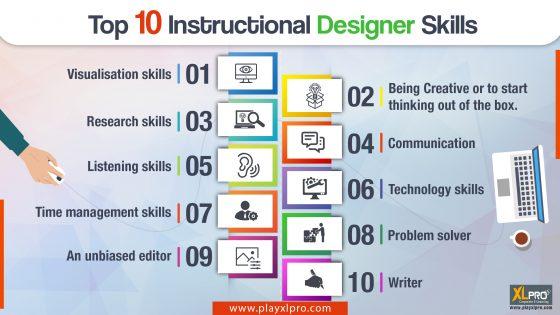
Top Skills Every Instructional Designer Needs in 2024: A Complete Guide
The demand for skilled instructional designers has never been higher, as universities, colleges, and schools increasingly rely on education technology (EdTech) to enhance learning experiences. If you’re a job seeker aiming to join the vibrant EdTech sector in an instructional design role, understanding what skills you need in 2024 is crucial. This comprehensive guide details the top instructional designer skills, their benefits, and practical tips to help you stand out in today’s competitive job market.
Why Instructional Design Skills Matter in 2024
Instructional designers serve as the vital link between technology and pedagogy, crafting engaging learning materials and optimizing courses for digital and hybrid classrooms. As higher education and K-12 institutions continue to innovate, instructional designers must be equipped with a dynamic set of technical, pedagogical, and soft skills to create impactful educational experiences.
- Fosters effective, engaging student learning
- Keeps institutions ahead of the digital learning curve
- addresses the needs of diverse student populations
The Top Instructional Designer Skills to Master in 2024
The following essential instructional design skills are in high demand for education technology jobs at universities, colleges, and schools. Prioritize developing these competencies to enhance your employability and effectiveness as an EdTech professional.
1.Learning Theories & Pedagogical expertise
- Understanding Learning theories: In-depth knowledge of constructivism, behaviorism, adult learning principles, and the science behind how people learn.
- Applying Pedagogy and Andragogy: Ability to adapt instructional methods to different learning contexts (online, blended, in-person), age groups, and subject matter.
2. Curriculum progress & Instructional Design Models
- Expertise in ADDIE, SAM, and backward design frameworks
- Proficiency in developing curriculum maps, learning objectives, and course blueprints
- Ability to translate faculty or subject-matter expert input into cohesive, engaging courses
3. EdTech Proficiency & Learning Management Systems (LMS)
- Hands-on experience with leading LMS platforms (Canvas, Moodle, Blackboard, Schoology, Google Classroom)
- Competence in using EdTech tools for assessment, grading, and feedback (Quizlet, Kahoot!, Turnitin)
- Staying updated on emerging education technologies such as adaptive learning and AI-powered platforms
4. Visual Design & Multimedia skills
- Creating visually appealing educational content using tools like Adobe Creative Suite, Canva, and Articulate Storyline
- Understanding visual hierarchy, accessibility, and universal design for learning (UDL) principles
- Producing and editing multimedia assets – video, audio, and interactive simulations
5. Assessment Design & Learner Analytics
- Designing formative and summative assessments that effectively measure learning outcomes
- Ability to interpret learner analytics to refine course delivery and improve retention
- Familiarity with data privacy and ethical considerations around student data
6. project Management Abilities
- Proficient in scoping, planning, delivering, and evaluating instructional projects on time and within budget
- Familiarity with Agile, Scrum, or other popular project management methodologies
- Skilled at collaborating with cross-functional teams, faculty, and administrators
7. Communication & Collaboration Skills
- Exceptional written and verbal communication for training, documentation, and presentations
- Empathy for diverse learner needs and stakeholder perspectives
- Strong interpersonal and teamwork abilities, crucial for working with subject matter experts and IT staff
8. Adaptability & Lifelong Learning
- Ability to quickly learn and incorporate new technologies, best practices, and instructional trends
- Willingness to participate in ongoing professional development, industry conferences, and certification programs
9. Accessibility & Universal Design awareness
- Implementing accessible design (ADA, WCAG 2.1) to ensure inclusivity
- Using closed captioning, descriptive text, and flexible navigation in course materials
- Commitment to equity and diversity in education
10.Creativity, Innovation & Problem-Solving
- Designing engaging, interactive learning experiences that motivate students
- Thinking outside the box to solve instructional challenges, especially in remote or hybrid learning environments
- Experimenting with gamification, AR/VR, and social learning to enhance outcomes
Benefits of Excelling in Instructional Design Skills
Mastering these core instructional designer skills offers numerous advantages for your career and the learning communities you serve, including:
- Increased job opportunities at leading universities, colleges, and K-12 schools
- Capacity to design courses that drive engagement, retention, and student achievement
- Professional growth through advanced certifications and leadership roles in EdTech
- Greater collaboration with educators, technologists, and policy-makers
- The ability to stay at the forefront of educational innovation
Practical Tips for Aspiring Instructional Designers
Whether you’re new to instructional design or looking to advance in education technology, follow these actionable steps to build your instructional design skill set:
- build a strong portfolio: Showcase diverse instructional materials, from e-learning modules to curriculum maps and multimedia assets.
- Get certified: Consider credentials such as Certified Professional in Learning and Performance (CPLP) or ATD’s Instructional Design Certificate to validate your expertise.
- network in EdTech: Join professional organizations, attend workshops, and participate in online forums to connect with peers and stay updated on trends.
- Practise continuous learning: Enroll in online courses, webinars, or micro-credentials in instructional design and new education technologies.
- Seek feedback: Regularly ask for input from faculty, learners, and colleagues to improve your designs and collaboration skills.
- Volunteer or freelance: Gain hands-on experience by offering your expertise to schools, nonprofits, or startups.
Instructional Designer Skills faqs
What do employers look for in an instructional designer in 2024?
Hiring managers prioritize candidates with a blend of education technology skills, pedagogical expertise, project management abilities, and adaptability. Experience with learning management systems, assessment design, and accessibility are also highly valued.
Is technical know-how more significant than teaching skills?
Both are essential. While technical skills are critical for leveraging EdTech platforms, deep pedagogical understanding ensures that technology truly enhances learning.
How can I keep up with trends in instructional design?
Regularly read EdTech blogs, join webinars, attend conferences, and connect with other instructional designers to stay informed about the latest techniques and technology in education.
Conclusion
Instructional designers are at the heart of digital change in education, bridging the gap between technology and effective teaching. By developing the essential instructional design skills highlighted in this guide, you’ll not only increase your chances of landing your dream job in education technology at universities, colleges, or schools, but you’ll also make a meaningful impact on learners. Stay curious, keep learning, and embrace innovation—the future of instructional design is luminous in 2024 and beyond!