
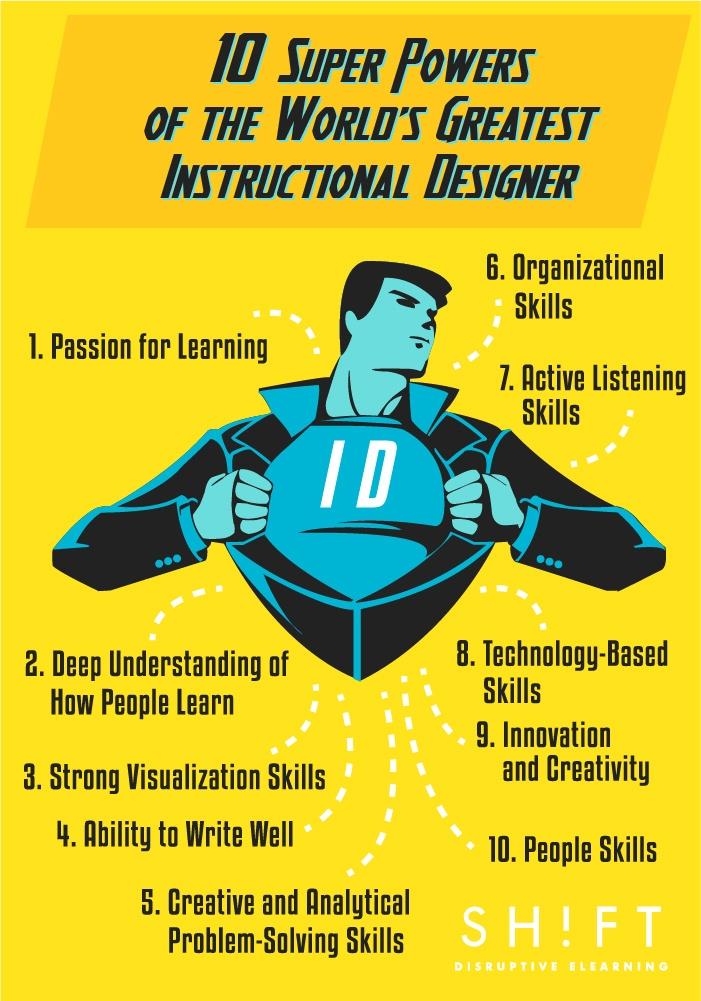
Top Skills Every Instructional Designer needs to Succeed Today
Are you considering a rewarding career in education technology at a university, college, or school? Instructional design is one of the most sought-after roles in EdTech, offering opportunities to shape effective learning experiences for students of all ages. Whether you’re new to the field or looking to take your instructional design career to the next level, mastering the right skills is crucial for success. In this guide, we’ll explore the top skills every instructional designer needs today, practical tips for standing out in the job market, and the benefits of developing a robust skill set in instructional design.
why Instructional Designers Are vital in Education Technology
instructional designers play a key role in shaping modern educational experiences.They blend sound pedagogy with technology to develop engaging, inclusive, and effective learning solutions. As digital learning continues to evolve in universities, colleges, and schools, instructional designers must stay ahead of the curve by mastering a combination of technical, creative, and interpersonal skills. Let’s examine what makes instructional designers indispensable and the skills that differentiate top professionals in this dynamic field.
Essential Technical Skills for Instructional Designers
Education technology is advancing at a rapid pace, and instructional designers need a strong foundation in various technical areas. Here are the most in-demand technical skills for instructional designers:
- Learning Management systems (LMS) proficiency: Familiarity with platforms such as canvas, Moodle, Blackboard, or Google Classroom is essential for building, delivering, and managing courses.
- Authoring Tools Expertise: The ability to use e-learning growth tools like Articulate Storyline, Adobe Captivate, and Lectora enables instructional designers to create rich, interactive content.
- Multimedia and Graphic Design: Basic skills in tools like Adobe Photoshop, Illustrator, and video editing software allow designers to enhance courses with engaging graphics, videos, and animations.
- Data Analysis and Reporting: Knowing how to analyze learner data and performance metrics helps designers measure course effectiveness and make improvements.
- Web Development Fundamentals: Understanding HTML,CSS,and usability principles ensures courses are accessible and function properly across devices.
- Mobile learning Design: As more learners access materials via smartphones and tablets, adapting content for mobile delivery is increasingly crucial.
Top Creative Skills for Instructional Designers
while technical skills are vital, creativity is at the heart of successful instructional design. Here are the main creative competencies employers look for:
- Storyboarding and Course Mapping: Designing a clear learning path and narrative keeps learners engaged and helps organize complex content.
- Visual Dialog: Using infographics,images,and multimedia elements to convey facts visually aids retention and comprehension.
- Gamification: Incorporating game elements, such as badges and leaderboards, can motivate learners and make education fun.
- Scenario-Based Learning: Developing realistic scenarios and case studies brings lessons to life and encourages practical request.
- Creative Problem-Solving: Innovatively addressing learning challenges and finding fresh solutions is a hallmark of successful instructional designers.
Critical Interpersonal and Collaboration Skills
Instructional designers rarely work alone. Collaboration with subject matter experts, faculty, IT teams, and other stakeholders is routine. Here are the interpersonal skills that drive project success:
- Communication: The ability to interview, present, and provide clear instructions ensures smooth collaboration and project outcomes.
- Project Management: Managing timelines, resources, and deliverables is essential for keeping instructional design projects on track.
- Adaptability: Responding positively to feedback and changes in technology or course requirements is a must in education technology.
- Empathy: Understanding learners’ perspectives, challenges, and motivations helps designers create meaningful and inclusive learning experiences.
- Teamwork: thriving in diverse teams and leveraging group strengths leads to better learning solutions.
Instructional Design and Pedagogical Skills
At its core, instructional design is about facilitating effective learning. Deep knowledge of educational theory and best practices sets professionals apart:
- Learning Theory Applications: Familiarity with adult learning theory, constructivism, Bloom’s taxonomy, and Worldwide Design for Learning (UDL) is necessary for designing effective lessons.
- Assessment Design: Creating formative and summative assessments helps evaluate learning outcomes and guide course improvements.
- Accessibility and Inclusivity: Ensuring content is accessible to all learners, including those with disabilities, is a legal and ethical priority in today’s educational landscape.
- Course Evaluation: Analyzing and applying course feedback helps instructional designers continually refine and improve their work.
Practical Tips for Developing Your Instructional Design Skills
If you’re planning to pursue instructional design jobs in education technology at universities, colleges, or schools, here are practical steps to boost your skills and marketability:
- Build a Portfolio: Document your work, including course samples, storyboards, and e-learning modules. This showcases your abilities to potential employers.
- Stay Current with Technology: Subscribe to edtech blogs, attend webinars, and complete certifications in emerging tools and methods.
- Gain Real-World Experience: Volunteer, intern, or freelance to apply your skills in authentic educational environments.
- Network with Peers: Join professional associations like the Association for Educational Communications and Technology (AECT) and participate in online communities.
- Seek Ongoing Feedback: Regularly ask for feedback from instructors, learners, and colleagues to refine your instructional strategies.
Benefits of Cultivating strong Instructional Design Skills
Investing in instructional design skills offers numerous advantages for job seekers in education technology:
- High Demand and Job Security: With remote and hybrid learning on the rise, universities, colleges, and schools are actively recruiting skilled instructional designers.
- Opportunities for Advancement: Mastery of instructional design can lead to leadership, consulting, or curriculum development roles.
- Professional Fulfillment: Creating impactful learning experiences allows you to make a genuine difference in students’ academic journeys.
- Competitive Salaries: Instructional designers with sought-after skills and experience often command attractive compensation packages.
- Growth in EdTech Innovation: Being at the forefront of educational innovation opens the door to exciting projects and continual learning.
Conclusion: Your Path to success in Instructional Design
The field of education technology offers a dynamic and rewarding career path for instructional designers. By developing a strong mix of technical, creative, interpersonal, and pedagogical skills, you can position yourself as a top candidate for roles at universities, colleges, or schools. Remember, instructional design is not just about knowing the right tools—it’s about creating meaningful, accessible learning experiences for diverse learners. Invest in your skills, stay informed about the latest EdTech trends, and build a professional network to unlock new career opportunities in instructional design.
Whether you’re just starting or looking to advance your career, focusing on these essential instructional design skills will ensure you’re ready to thrive in the ever-evolving landscape of education technology. Your journey to making a lasting impact in education begins today—develop your skills and step confidently into your future as an instructional design professional!