
Top Skills every Triumphant Training Content developer Needs in 2024
Are you aspiring to land a rewarding job as a training content developer in education technology at universities, colleges, or schools? Staying ahead in this dynamic field means equipping yourself with the latest skills and understanding how to apply them practically. As educational institutions embrace digital learning and adaptive platforms, the demand for highly skilled training content developers continues to rise. In this extensive guide, we’ll explore the top skills required in 2024 to thrive in this pivotal EdTech role and provide actionable tips for boosting your employability in the education sector.
Understanding the Role of a Training Content Developer in EdTech
A training content developer in education technology is responsible for designing, developing, and updating instructional materials and digital learning resources for students and staff. Whether collaborating with educators in a university, college, or school, their primary goal is to create engaging, effective, and accessible educational content. With education systems increasingly leveraging technology, content developers must blend pedagogical knowledge, creativity, and technological expertise.
What Does a Training Content Developer Do?
- Design digital learning modules and e-learning courses
- Create engaging multimedia resources (videos, interactive quizzes, simulations)
- Align instructional materials with curriculum and learning objectives
- collaborate with subject matter experts (SMEs), instructional designers, and IT teams
- Evaluate and update content based on feedback and performance analytics
Top Skills Every Training Content Developer Needs in 2024
As EdTech evolves, so does the skill set required for success. Here are the critical competencies every aspiring and current training content developer should master:
1. Instructional Design Expertise
Strong instructional design skills remain fundamental for every training content developer. Understanding instructional models like ADDIE, SAM, or Bloom’s Taxonomy enables you to craft effective learning experiences that cater to diverse learning styles.
- Curriculum development
- Assessment and evaluation techniques
- Designing for accessibility and inclusivity (e.g., applying universal Design for Learning principles)
2. EdTech Tool Proficiency
familiarity with the latest education technology tools is essential for modern content creation. In 2024, universities, colleges, and schools are adopting more advanced platforms for content delivery, requiring developers to be proficient with:
- Learning Management Systems (LMS) like Moodle, Canvas, and Blackboard
- Authoring tools such as Articulate 360, Adobe Captivate, and H5P
- Collaborative platforms (Google Workspace, Microsoft Teams)
- Multimedia editing software (Adobe Creative suite, Camtasia)
3. Digital Literacy and Technology Savviness
today’s training content developers must stay up-to-date with digital trends and emerging technologies in education.Familiarity with AI-powered learning tools, AR/VR, and adaptive learning technologies can set you apart from other job seekers in the EdTech field.
- Basic HTML, CSS, or e-learning scripting languages (e.g., SCORM, xAPI)
- Understanding data privacy and cybersecurity in educational settings
- Adapting content for mobile learning and microlearning trends
4. Content Writing and Communication Skills
Translating complex concepts into clear, concise, and engaging instructional content is at the heart of effective training content development. Excellent writing and communication skills ensure your materials are learner-friendly and support knowledge retention.
- Writing for various audiences and reading levels
- Storyboarding and scripting multimedia content
- Editing and proofreading for clarity and accuracy
5.Data Analysis and Assessment Competency
Impactful training content doesn’t end with publication. Successful developers must assess how learners interact with materials and use data-driven insights to refine content. Analyzing performance analytics, test results, and user feedback is integral to continuous improvement.
- Collecting, interpreting, and acting on learning analytics
- Designing formative and summative assessments
- Using LMS analytics features to monitor learner progress
6. Collaboration and Teamwork
Developers rarely work in isolation.They often collaborate with instructional designers, teachers, IT specialists, and subject matter experts to meet institutional goals. Strong interpersonal and teamwork skills are crucial for navigating these relationships and ensuring content quality.
- Effective virtual communication
- Project management and agile methodologies
- Soliciting and integrating diverse feedback
7. Creativity and Visual Design Sense
With learners expecting visually stimulating and interactive materials, creativity is a must. Understanding the basics of graphic design and user experience ensures your content is not only educational but also engaging.
- Applying design principles (contrast, alignment, balance, repetition)
- using infographics, animations, and other visual aids
- Embracing modern e-learning trends and gamification
8. Adaptability and Continuous Learning
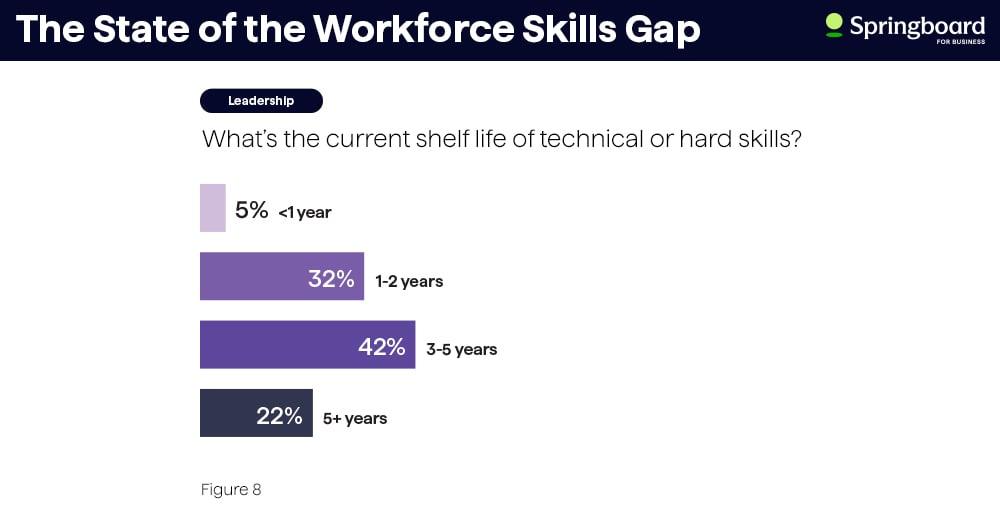
The fast-paced nature of EdTech means skills and tools may quickly become outdated. Embracing a mindset of lifelong learning and adaptability helps you stay relevant and innovative within the education sector.
- Participating in professional development
- Keeping current with EdTech news and research
- Experimenting with new teaching and learning technologies
Benefits of Developing These Skills in 2024
Investing in these competencies can make you an invaluable asset to any education institution leveraging technology. Here are some notable benefits:
- Enhanced employability: Stand out in a highly competitive EdTech job market by showcasing a well-rounded skill set.
- Career advancement: Open the door to roles such as instructional designer, e-learning manager, or EdTech consultant.
- Higher job satisfaction: Contribute to meaningful learning experiences and help shape education’s future.
- Possibility for innovation: Take the lead in developing cutting-edge digital resources that engage and inspire learners.
Practical Tips for Aspiring Training Content Developers
Ready to pursue a role as a training content developer in a university, college, or school? Here’s how you can build and demonstrate the skills that matter most in 2024:
- build a diverse portfolio: Showcase your experience in instructional design, multimedia content, and assessment development.
- Gain certifications in EdTech tools: Many LMS and authoring platforms offer certification programs that validate your expertise.
- Network with industry professionals: Join EdTech communities and forums to exchange ideas and collaborate on projects.
- Seek feedback and mentorship: Ask experienced educators or developers to review and provide insights on your work.
- Stay updated: Regularly attend webinars, online courses, and conferences to keep your knowledge fresh and relevant.
Conclusion: Stay Ahead as a Training content Developer in 2024
The role of a training content developer in education technology is more critical than ever as digital learning continues to reshape universities, colleges, and schools. By mastering a blend of instructional design, technology fluency, creative content creation, and analytical skills, you can secure a successful and fulfilling career in EdTech.
Commit to continuous learning, embrace change, and leverage your expertise to create meaningful learning experiences for tomorrow’s students. Whether you’re just entering the field or aiming to advance, these top skills will empower you to make a tangible impact in the world of educational technology in 2024 and beyond.