
Top Skills You Need to Succeed as a Software Engineer in EdTech
Are you passionate about technology adn eager to make a real difference in the world of education? The education technology (EdTech) sector is rapidly expanding and universities,colleges,and schools are seeking innovative software engineers to design impactful digital learning tools. If you’re exploring a career as a software engineer in EdTech, understanding the core competencies and key skills needed is essential for standing out in the job market and excelling in your role. In this article,we will uncover the top skills required to succeed as a software engineer in EdTech,share practical tips,discuss the unique benefits of working in this industry,and help you embark on a rewarding and meaningful career path.
Why Pursue a software Engineer Role in edtech?
Working as a software engineer in education technology offers a unique intersection of technical innovation and educational transformation. You’ll have the chance to design platforms, applications, and tools that enhance teaching and learning, streamline administrative processes, and even drive equity in education. Not only will you refine your software engineering expertise, but you’ll also contribute positively to students’ lives and the future of learning.
The Essential Skills for Software Engineers in EdTech
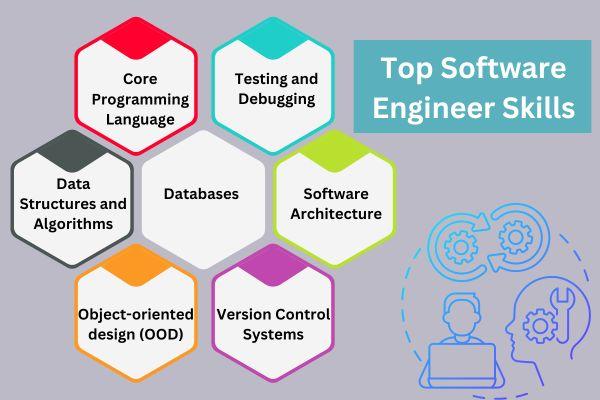
To thrive in the EdTech industry, software engineers must combine robust technical abilities with a solid understanding of the educational surroundings. Here are the top skills you need to succeed as a software engineer in EdTech:
1. Proficiency in Programming Languages and Frameworks
- Core Languages: Mastery of languages such as Python, Java, JavaScript, C#, or Ruby is vital. Familiarity with both front-end and back-end growth will make you more versatile.
- Frameworks: Knowledge of frameworks like React, Angular, Vue.js, Django, or Node.js is highly sought after in EdTech projects.
- Database Management: understanding relational (SQL) and non-relational (NoSQL) databases is important for managing educational content and student data securely.
2. Understanding of EdTech Products and Learning Management Systems (LMS)
-
Familiarity with popular learning management systems such as Moodle, Blackboard, Canvas, or Google Classroom can give you a competitive edge.
-
Experience integrating APIs for educational tools (like assessment engines or interactive modules) is a plus.
3. UX/UI Design for Digital Learning
- Developing educational software isn’t just about writing code—it’s about creating intuitive,inclusive,and accessible interfaces for a diverse user base.
- Basic knowledge of accessibility standards (WCAG), responsive design, and usability testing is essential.
4. Cloud Computing and Scalability
- Many EdTech platforms leverage cloud services to provide reliable and scalable solutions to growing student populations.
- experience with AWS, Google Cloud Platform, or Microsoft Azure is valuable for deploying and maintaining educational apps.
5. Security and Privacy Awareness
- protecting sensitive data—such as student records and assessment results—is paramount in EdTech.
- Knowledge of data privacy regulations (FERPA, GDPR, COPPA) and best practices for data encryption and security is crucial.
6. Collaboration and Communication Skills
-
software engineers in educational technology frequently work with multidisciplinary teams including teachers, instructional designers, curriculum specialists, and administrative staff.
-
Clear communication enables you to translate educational requirements into effective technical solutions.
7. Passion for Education and Lifelong Learning
-
Demonstrating enthusiasm for education fosters greater empathy with users and inspires innovative problem solving.
-
Staying current with both technology trends and pedagogical approaches is important for building impactful tools.
8. Agile and Project Management Methodologies
-
Familiarity with Agile methodologies (Scrum, Kanban) helps streamline development processes and ensures educational software projects stay on track.
-
Basic project management skills allow engineers to prioritize tasks, meet deadlines, and manage stakeholder expectations.
Additional Valuable Skills for EdTech Software Engineers
- Data Analytics: Ability to analyse data from student interactions to inform product enhancements.
- API Integration: Experience connecting platforms and third-party educational resources.
- Mobile Development: Building responsive applications for iOS and Android expands your reach in the classroom.
- gamification: Understanding gamification strategies can boost engagement and improve learning outcomes.
- open-Source Contribution: Contributing to or using open-source EdTech solutions indicates initiative and industry knowledge.
Benefits of Working as a Software Engineer in EdTech
Embarking on a career in EdTech software engineering can provide numerous rewards:
- Purpose-Driven Work: Your solutions can transform how students learn, teachers teach, and institutions operate.
- Innovation: The sector is ripe with opportunities for creative problem-solving and product innovation.
- professional Growth: Gain cross-disciplinary experience by collaborating with educators, researchers, and other technology professionals.
- Job Security: The demand for skilled EdTech software engineers continues to grow as educational institutions digitalize their systems.
- Remote Work Opportunities: Many EdTech companies and academic institutions offer flexible working arrangements.
practical Tips for landing and Excelling in an EdTech Software Engineer role
- Build a Portfolio: Showcase EdTech-related projects, open-source contributions, or personal apps that solve real educational challenges.
- Stay Updated: Regularly follow EdTech industry news, educational policy developments, and emerging technology trends.
- Network with Educators: Engage with faculty, administrators, and instructional designers to understand their needs and pain points.
- Develop Soft Skills: Communication, teamwork, and user empathy are as important as technical skills in education environments.
- Become Familiar with Regulations: Understand institutional policies regarding technology use,data privacy,and ethical standards.
- Seek Continuous Learning: Consider certifications or courses specific to EdTech, educational psychology, or instructional design.
- Tailor Your Resume: Highlight experience and skills relevant to digital education solutions, emphasizing both technical and pedagogical alignment.
Conclusion: Grow Your EdTech Career with the Right Skills
Succeeding as a software engineer in edtech requires a balanced mix of advanced technical skills,a deep understanding of educational needs,and a passion for impactful change. By cultivating expertise in programming, user experience, data security, and educational technologies—and by embracing collaboration, continuous learning, and adaptability—you’ll be well-equipped to thrive in this rewarding field.Whether you’re building tools for higher education, K-12 classrooms, or corporate learning environments, your contributions have the power to shape the future of education. Start developing these top skills today and unlock new opportunities in the vibrant world of education technology!