
Top Strategies for a Social Media Manager in the Education Sector: Boost Engagement & Success
As education technology continues to evolve, universities, colleges, and schools are increasingly seeking skilled social media managers to boost their online presence and connect wiht students, faculty, and the wider community. If you’re aspiring to build a rewarding career as a social media manager in the education sector, understanding the latest strategies is crucial for driving engagement, brand awareness, and student success.This comprehensive guide covers the advantages, effective social media strategies, practical tips, and essential skills to help you thrive in this dynamic edtech role.
Why Social Media Managers Are Vital in the Education Sector
Social media plays a pivotal role in shaping the reputation and outreach of educational institutions.As a social media manager in schools,colleges,or universities,you have the power to:
- Enhance Brand Reputation: Build and maintain a positive online image for your institution.
- Drive Engagement: Create meaningful interactions with students, alumni, staff, and prospective applicants.
- Promote Events and Achievements: Celebrate milestones, share campus news, and boost event participation.
- support Recruitment efforts: Attract top talent and new students through targeted campaigns.
- Foster Community: Build a sense of belonging and encourage ongoing conversations among stakeholders.
Demand for experienced social media professionals in the education industry is on the rise. Mastering these strategies can position you as a highly sought-after candidate for EdTech jobs at all levels of education.
core Strategies for Successful Social Media Management in Education
To excel as a social media manager in a school, college, or university setting, it’s important to adopt a tailored and data-driven approach. Here are the top strategies to boost engagement and ensure your success:
1. Understand & Define Your Audience Segments
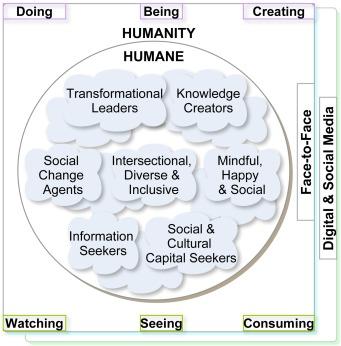
Educational institutions interact with a diverse audience—students, parents, faculty, alumni, and prospective enrollees. Segment your audience to:
- Craft content that speaks directly to each group’s interests and needs.
- Use platform-specific tools (like Facebook Groups or LinkedIn Pages) to reach each segment more effectively.
- Monitor engagement metrics for each audience to refine your messaging and content calendar.
2.Develop and Implement a Strategic Content plan
Content is at the heart of any successful social media campaign. For the education sector, focus on:
- Educational Content: Share tips, tutorials, and academic resources relevant to your audience.
- User-Generated Content: Showcase student achievements, testimonials, and campus life highlights.
- Visual Storytelling: Use high-quality photos, infographics, and videos to make your posts more engaging and shareable.
- Timely Updates: Post about key dates, upcoming events, exams, and deadlines.
- Real-world Success Stories: Highlight alumni outcomes and innovative faculty accomplishments.
Create a content calendar aligned with the academic year and major events to maintain consistency and relevance.
3. Leverage Platform-Specific Features
Each social media platform offers unique features ideal for education sector marketing:
- Facebook: Host live Q&A sessions, create event pages, and develop parent/student groups.
- Instagram: Use Stories and Reels to offer behind-the-scenes looks at campus life.
- LinkedIn: Share faculty research, attract prospective staff, and nurture alumni networks.
- Twitter: Tweet real-time updates, live event coverage, and engage in educational conversations through hashtags.
- YouTube: Produce virtual campus tours, webinars, and video testimonials.
Select platforms that align with your institution’s goals and target audience preferences.
4. Foster Two-Way Engagement
Move beyond simply broadcasting details; focus on conversation and community-building:
- Prompt discussions around trending topics in education technology and campus news.
- Respond promptly and thoughtfully to questions and comments.
- Host regular interactive sessions—such as polls, quizzes, and live streams.
- Encourage user-generated content via hashtags, contests, or challenges.
Active engagement not only boosts your institution’s visibility but also builds trust and loyalty among your audience.
5. Monitor Analytics and Optimize Performance
Data-driven decision-making is key to a social media manager’s success in the education sector:
- Track engagement, reach, and conversion rates using platform analytics tools.
- Identify high-performing content and replicate successful formats.
- Adjust your posting schedules and content mix based on data insights.
- Set clear, measurable goals (such as increasing student inquiries or event attendance).
Practical Tips for Aspiring social Media Managers in Education Technology
if you’re aiming for a social media manager job at a university, college, or school, these actionable tips can help you stand out and succeed:
- Stay updated on edtech Trends: Demonstrate knowledge of emerging education technology platforms and tools.
- Build a Strong Personal Brand: Use your own social channels to share insights and best practices in social media for education.
- Create a Portfolio: Showcase successful campaigns, content samples, and impact metrics from previous roles or volunteer projects.
- Network with Industry Peers: Join education-focused professional groups, attend EdTech conferences, and participate in webinars.
- Master Multimedia Creation: Learn basic photography, graphic design, and video editing to diversify your content skills.
- Understand compliance: Familiarize yourself with student privacy laws (such as FERPA) and accessibility requirements in digital communications.
- Invest in Ongoing Training: Take online courses in social media marketing, analytics, and SEO to remain competitive.
Essential Skills for Social Media Managers at Educational Institutions
Successful candidates for social media manager jobs in schools,colleges,or EdTech firms should possess:
- Excellent written and verbal communication skills for clear,engaging content.
- Creative thinking to craft innovative campaigns and solve challenges.
- Analytical abilities to interpret data and optimize strategies.
- Project management skills for coordinating tasks and meeting deadlines.
- Adaptability in a fast-changing digital landscape.
Highlighting these skills on your resume and during interviews will increase your appeal to university, college, or school hiring committees.
Benefits of Working as a Social Media Manager in the Education Sector
Pursuing a career as a social media manager in EdTech or educational settings offers unique advantages:
- Impactful Work: Play a direct role in shaping student experiences and institutional growth.
- Continuous Learning: Stay connected to the evolving worlds of education and technology.
- Collaborative Surroundings: Work with faculty, students, marketing teams, and administrators.
- Professional Development: Gain exposure to communications,marketing,public relations,and digital strategy.
- Job Stability: Education remains a foundation sector with steady demand for skilled digital communicators.
How to Land Your Next Social Media Manager Job in Education Technology
To secure your ideal position as a social media manager in the education sector, follow these best practices:
- Optimize your Resume and Cover Letter: Tailor your application materials to highlight relevant achievements and EdTech expertise.
- Showcase Quantifiable Results: Use data to demonstrate how your work increased engagement, reach, or student enrollment in past roles.
- Demonstrate Initiative: Share examples of campaigns you led or new technologies you introduced in previous positions.
- Prepare for Interviews: Be ready to discuss your understanding of social media trends in education, crisis communication, and engagement strategies.
- Highlight Adaptability: Emphasize your willingness to learn and evolve in line with digital innovations and educational needs.
Conclusion
A career as a social media manager in the education sector offers a unique opportunity to shape the digital narrative of universities, colleges, and schools. By mastering these strategies and continuously developing your skills, you can make a lasting impact on your institution’s success and propel your own career forward in the dynamic field of education technology. Whether you’re seeking your first role or looking to advance further, staying informed and proactive is key to standing out and achieving your professional goals. Embrace these best practices, leverage your creativity, and get ready to thrive as a top social media manager in the education sector!