
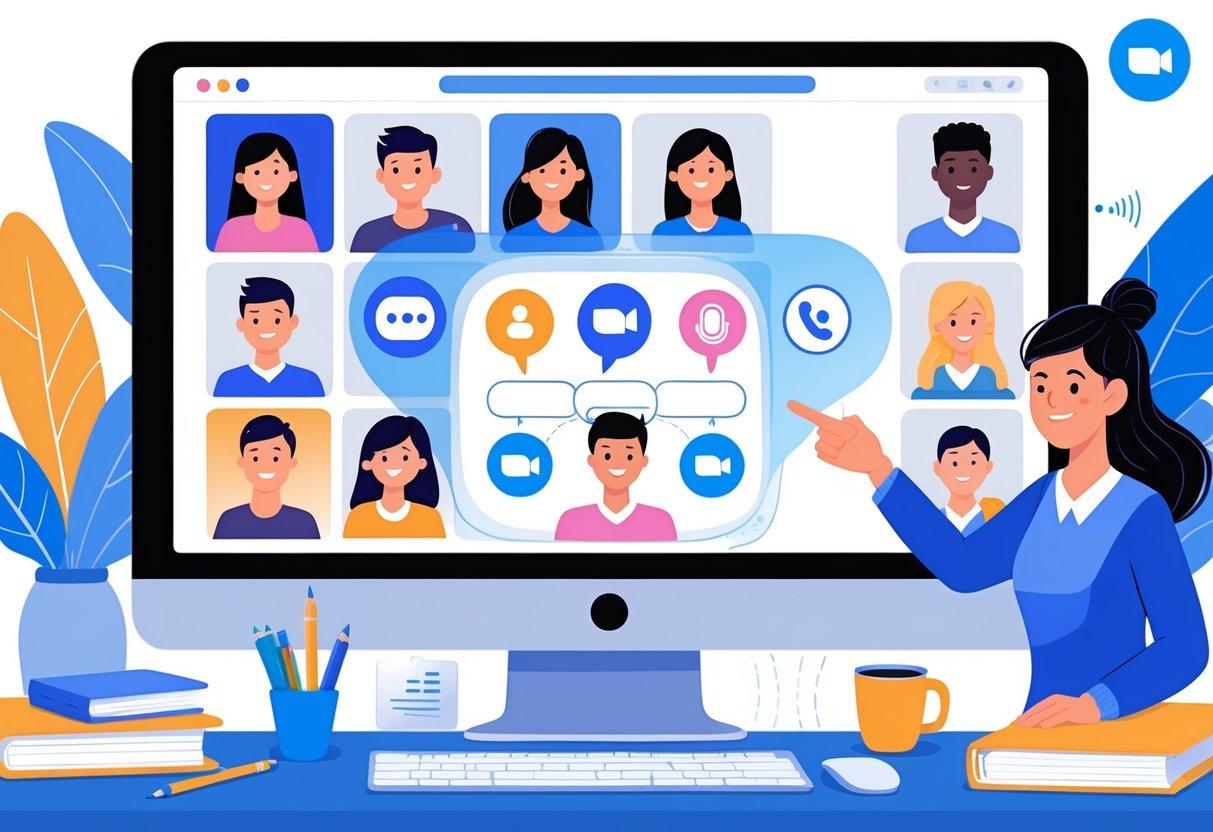
Top Strategies for Effective Remote Teaching: Essential Tips for Online Educators
With the surge in online education and remote learning, educators worldwide are adapting to new teaching landscapes. To maximize learning outcomes and student engagement, it’s crucial for online educators to master the art of remote teaching. In this complete guide, we’ll explore the top strategies for effective remote teaching, discuss essential tips for online educators, and share successful real-world practices for enriching virtual classrooms. Whether you’re an experienced teacher or new to online education, this article is packed with actionable advice to help you thrive in remote teaching.
Benefits of Effective remote Teaching
Before diving into strategies, let’s explore the compelling benefits of effective remote teaching:
- Adaptability: Students and educators can connect from anywhere, enabling better work-life balance.
- Accessibility: Remote teaching breaks geographical barriers and supports inclusivity for learners with diverse needs.
- Personalized Learning Pace: Technology allows learners to revisit materials and progress at thier own speed.
- Resource-Rich Learning: interactive tools and multimedia enrich the educational experience.
- Cost-Effectiveness: Reduces commuting and overhead costs for schools and institutions.
Top Strategies for Effective Remote Teaching
To deliver high-quality education in virtual classrooms, online educators should embrace these proven strategies:
1. Design an Engaging Digital Classroom
- Use Interactive Platforms: Leverage platforms like Zoom, Google Meet, Microsoft Teams, or Moodle to conduct live sessions and group activities.
- Create Multimedia Lessons: Incorporate videos, quizzes, infographics, and presentations to stimulate diffrent learning styles.
- Organize Resources: Provide clear, accessible folders or modules on your Learning Management System (LMS).
2. Foster student Engagement in Virtual Learning
- Utilize Gamification: Integrate badges, rewards, and interactive games to motivate participation.
- Implement Polls and Q&A Sessions: Encourage real-time feedback and discussions.
- Encourage Collaboration: Assign group projects and peer-review tasks using collaborative tools like Google Docs or padlet.
3. Maintain Clear Communication
- Set Expectations Early: Share guidelines for assignments, assessments, and participation.
- Provide Timely Feedback: Respond promptly to student queries and offer constructive feedback on assignments.
- Schedule Regular Check-ins: Host office hours or one-on-one sessions to support students personally.
4. Optimize Course Structure and Delivery
- Break Content Into Modules: Divide lessons into digestible units to prevent data overload.
- Use Visual Timelines: Post course calendars and deadlines for clarity and planning.
- Record Lectures: Allow students to review material at their convenience.
5. Harness Technology for Online Learning
- Explore EdTech Tools: Try apps like Kahoot!, Quizlet, Edpuzzle, and Nearpod for interactive lessons.
- Monitor Student Progress: Use LMS analytics to track engagement and performance.
- Support Accessibility: Ensure materials are mobile-kind and provide closed captions or transcripts.
6.Promote Digital literacy and Online Safety
- Teach Digital Skills: Guide students on effective online research, cybersecurity, and respectful digital communication.
- Uphold Privacy Standards: Protect student data and conduct safe online practices.
- Model Netiquette: Encourage respectful interactions and ethical online behavior.
7. Adapt to Feedback and Continuous Betterment
- Solicit Student Feedback: Regularly survey students about course effectiveness and engagement.
- evolve Your Teaching Practices: Stay updated with the latest online teaching trends and professional development workshops.
- Reflect and Revise: Iterate your course based on assessment analytics and peer reviews.
Practical Tips for Online Educators: Real-World Experience
Here are firsthand practical tips shared by experienced remote teachers:
- Set a Routine: Consistency matters.Start and end classes on time, and establish familiar patterns to help students stay focused.
- Balance Synchronous and Asynchronous Activities: Use live sessions for discussions, and self-paced resources for deep learning.
- Offer Emotional support: The absence of physical presence can be challenging. Provide check-ins and foster an inclusive community.
- Keep it Human: use humor, share stories, and show your personality to build rapport and trust.
- prepare backup Plans: Technology can fail! Always have option activities or downloadable resources ready.
Case Study: Transforming Remote Classrooms with Interactive learning
At Riverside Academy, the transition to online education during the pandemic was swift but challenging. Educators quickly realized that lecture-based Zoom calls were losing student engagement.
By introducing regular breakout sessions, incorporating live quizzes via Kahoot!, and setting up weekly discussion boards, teacher Ms. Allen saw her student participation rise by over 40%. Students not only performed better in assessments but also reported stronger connection and motivation.
Riverside’s experience highlights the importance of interactive activities and continuous feedback in optimizing remote teaching outcomes.
WordPress CSS Styling Tips for Online Teaching Posts
Want your teaching tips to stand out on your website? Here are some fast WordPress CSS snippets:
.engagement-tip { background:#e9f5fb; padding:12px; border-radius:8px; }
Use for highlighting student engagement tips..case-study { background:#fff7e6; padding:14px; border-left:5px solid #fdc75f; }
Apply to case study sections.ul.custom-list { list-style-type: square; }
Helps differentiate key takeaways.
Add these to your theme’s custom CSS panel or use the Custom HTML block for inline styling.
Conclusion: Empowering Online Educators for Future-Ready Classrooms
Effective remote teaching demands adaptability, empathy, and the savvy use of digital tools. By applying the top strategies discussed—ranging from engaging classroom design and clear communication to fostering digital literacy—online educators can create vibrant, interactive learning experiences for every student. As virtual learning continues to evolve, committed teachers who continually refine their practice and embrace new technologies will lead the way in online education.
Ready to elevate your remote teaching? Start implementing these strategies today and transform your online classroom into a dynamic hub of successful learning!