
Top Strategies for Effective SEL for Students with Special Needs
Social Emotional Learning (SEL) is a foundational component of modern education, equipping students with the emotional intelligence and social skills necessary for academic success and lifelong well-being. While SEL benefits all learners, it plays a particularly vital role in the growth and development of students with special needs. Implementing tailored, effective SEL strategies fosters inclusivity, resilience, and meaningful progress for these learners.
Introduction to SEL for Students with Special Needs
Educators are increasingly recognizing the importance of SEL for students with disabilities and learners facing diverse challenges. These students may struggle with interaction, emotional regulation, and social interactions more than their typically developing peers. Thus, integrating targeted SEL strategies addresses their unique needs while helping them build confidence, self-awareness, and positive relationships.
This thorough guide explores the top strategies for effective SEL in special education, offering practical tips, key benefits, and real-world case studies. Our aim is to help educators, parents, and support staff foster environments where every child thrives.
Benefits of SEL for Students with Special Needs
- Improved Emotional Regulation: SEL teaches students to identify, express, and manage their emotions constructively.
- Stronger Social Skills: Students learn how to interact, collaborate, and resolve conflicts with peers and adults.
- Increased Academic Engagement: Emotional and social stability improves classroom participation and focus.
- Greater Sense of Belonging: Inclusive SEL practices create safe spaces for all learners, promoting acceptance and empathy.
Top Strategies for Effective SEL for Students with Special Needs
1. Individualized and Person-Centered Approaches
Every student is unique, especially within the spectrum of special needs. Personalized SEL interventions consider factors like diagnosis, communication style, abilities, and cultural background. Consider these steps:
- Conduct SEL Assessments: Gather input from parents, specialists, and the student to identify strengths, needs, and preferences.
- Set Realistic, Measurable Goals: Tailor SEL objectives to align with the student’s IEP (individualized Education Program), focusing on attainable outcomes.
- Leverage Strengths-Based Language: Emphasize ability and growth, not limitations or deficits.
2. Visual Supports and Social Stories
Students with special needs, such as autism spectrum disorder (ASD), respond well to visually rich, structured learning tools. visual supports and social stories help clarify expectations and model appropriate behaviors.
- Use picture schedules to outline daily routines and transitions.
- Create social stories to illustrate and rehearse common social situations (greetings, turn-taking, asking for help).
- Display emotion charts to help students identify and communicate how they feel.
3. Direct Instruction of Social Skills
Do not assume students will pick up social skills through observation alone.Explicit teaching of skills like sharing, listening, and problem-solving is essential for special needs learners.
- Utilize role-playing, modeling, and real-life scenarios to practice skills.
- Break down complex social interactions into manageable steps.
- Reinforce positive behavior with specific praise or rewards.
4. Integrating SEL Throughout the Curriculum
SEL should not be confined to isolated lessons. Embed SEL concepts across subjects to make them relevant and memorable:
- Use literature to explore themes of empathy, friendship, and conflict resolution.
- Incorporate collaborative group work in math, science, or art.
- Start and end the day with mindfulness activities or emotional check-ins.
5. Collaborative Teamwork with Families and Specialists
Family-school partnerships are vital for SEL success. Consistent communication ensures that social-emotional goals are supported both at home and at school.
- Regularly update parents on SEL progress and provide strategies for use at home.
- Collaborate with speech therapists, counselors, and occupational therapists to create unified approaches.
- Host SEL workshops for families to offer tools, resources, and peer support.
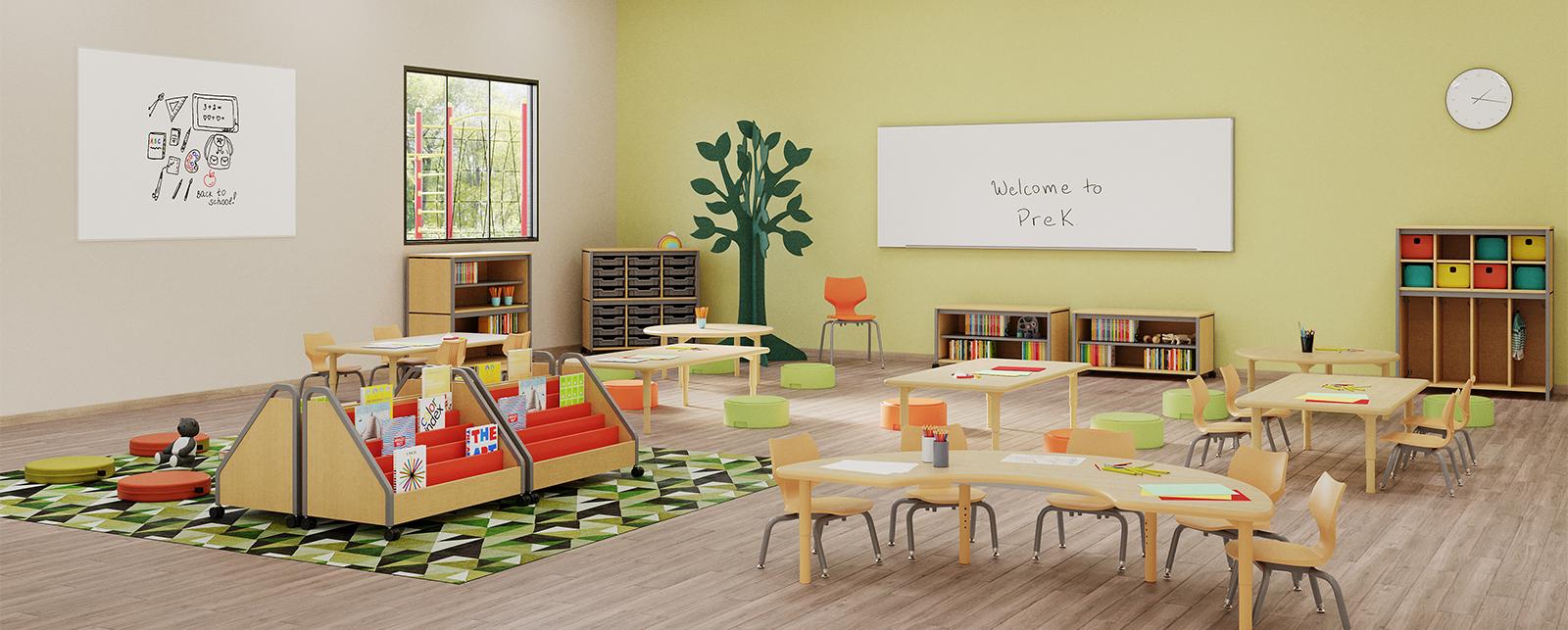
6. Flexible and Safe Classroom Environments
For students with special needs, feeling physically and emotionally safe is a prerequisite for learning. Foster supportive, predictable environments with:
- Clear, consistently enforced classroom rules and routines.
- Designated quiet spaces for self-regulation and sensory needs.
- Flexible seating and movement breaks as needed.
7. integrating Assistive Technology
Assistive technology can empower learners to access content, communicate effectively, and participate in SEL lessons:
- Use speech-generating devices, apps, or communication boards to facilitate expression.
- Screen tools for digital SEL modules or video modeling.
- Employ timers, visual prompts, and calming apps to support self-regulation.
8. Emphasizing Self-Advocacy and Growth Mindset
Encourage students to recognize their strengths, set personal goals, and advocate for their needs. Integrate growth mindset language, such as “I can’t do this yet,” and celebrate progress to foster resilience and a positive self-concept.
Practical Tips for Implementing SEL in Special Education
- Include all staff in professional development related to SEL and special needs.
- Be patient—progress may be gradual, but consistency matters.
- Observe and adapt strategies to fit student responses and evolving needs.
- Celebrate each student’s achievements,no matter how small.
Case Study: SEL Success in a Special Needs Classroom
At a public elementary school, educators implemented a comprehensive SEL framework tailored for a mixed-abilities classroom.Using individualized social stories,weekly group sessions,and collaboration with speech language pathologists,students with autism and learning disabilities displayed remarkable improvements. Over one academic year:
- Incidents of emotional outbursts decreased by 45%.
- Peer-to-peer positive interactions doubled.
- Academic performance in reading and math rose by an average of 18%.
Teachers attributed success to flexibility, family involvement, and celebrating incremental progress.This model demonstrates the real-world impact of inclusive SEL strategies for students with special needs.
expert insights: First-Hand Experience from an SEL Specialist
“The key to effective SEL for students with special needs is relationship-building. Take time to know your students—their interests, what triggers anxiety, and what makes them smile. flexibility and creativity are just as crucial as structured curricula.”
– Jessie Carter, Special Education Coordinator
Conclusion: Building Lifelong Skills with SEL
Effective SEL for students with special needs is not a one-size-fits-all endeavor. By leveraging personalized strategies, visual supports, explicit instruction, and strong teamwork, educators can transform classrooms into nurturing environments where every learner feels valued and empowered. Integrating SEL across the curriculum,fostering partnerships with families,and embracing assistive technology are game-changers in inclusive education.
As we create supportive, flexible spaces and promote a growth mindset, all students—not just those with special needs—benefit from the ripple effects. ensuring access to high-quality SEL is a step toward creating more compassionate,resilient,and inclusive school communities.