
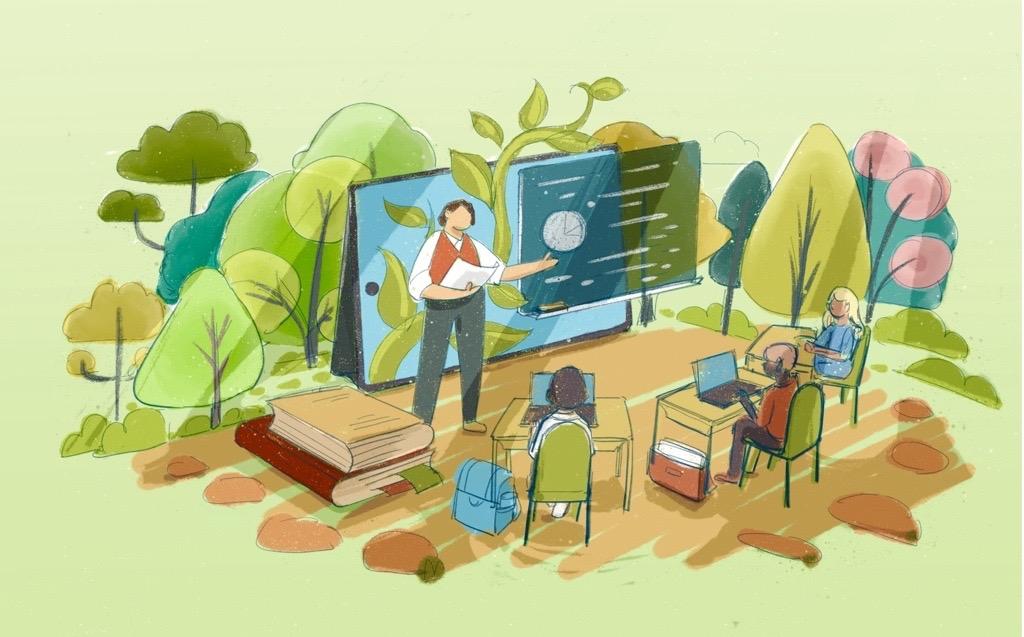
Top Sustainable Technologies Transforming Educational Settings: A Guide to Greener Learning
As the urgency for environmental responsibility intensifies, educational institutions are embracing sustainable technologies to create greener learning environments. These eco-friendly innovations not only reduce carbon footprints but also shape environmentally conscious future leaders. In this guide, we’ll explore the top sustainable technologies transforming educational settings, discover their benefits, and offer practical tips to help you embark on the path toward greener learning.
Why Sustainable Technologies Matter in Education
With global energy demands rising and environmental challenges worsening, schools and universities have a critical role in leading sustainability initiatives. Integrating sustainable technologies in educational settings can:
- Reduce operational costs
- Lower energy and resource consumption
- Improve indoor air quality and overall health
- Educate and inspire students about environmental responsibility
- Create innovative, adaptive, and future-ready learning spaces
The Top Sustainable Technologies Revolutionizing Educational Settings
Below, we highlight the most impactful sustainable technologies adopted in modern schools and universities, paving the way for a more environmentally friendly academic world.
1. Solar power and Renewable Energy Systems
Renewable energy systems, particularly solar panels, are among the most widely adopted eco-friendly solutions in educational settings. Rooftop solar installations and solar-powered classrooms considerably reduce electricity bills and carbon emissions. Schools can also use these systems as real-world STEM teaching tools,engaging students in renewable energy monitoring and analysis.
- Benefits: Lower long-term energy costs, hands-on learning opportunities, and carbon neutrality goals
- Popular solutions: Grid-tied solar, wind turbines, micro hydroelectric generators
2.Smart Energy Management systems
Institutions are turning to smart energy management technologies to monitor and optimize energy usage in real time. Features include automated lighting,HVAC controls,and occupancy sensors that adapt to usage patterns,minimizing waste and maximizing efficiency.
- Benefits: Up to 30% energy savings, extended equipment lifespan, and data-driven sustainability initiatives
- Popular solutions: IoT-connected thermostats, energy-efficient LED lighting, motion-activated devices
3. Green building Materials and Eco-Architecture
Sustainable construction is gaining ground in educational design. Institutions are choosing green building materials such as recycled steel, bamboo, low-VOC paints, and insulation from renewable sources. Features like green roofs, wall gardens, and passive solar designs enhance energy efficiency and student well-being.
- Benefits: Improved air quality, natural lighting, reduced carbon footprint, and inspiring study spaces
- key examples: LEED-certified buildings, modular green classrooms, rainwater harvesting systems
4. Digital Technologies and Paperless Classrooms
Transitioning to digital platforms significantly reduces paper waste and associated environmental impacts. Paperless classrooms leverage cloud-based learning management systems, e-books, and interactive whiteboards, supporting remote and hybrid education models as well.
- Benefits: Drastic reduction in paper use, smarter resource sharing, staff efficiency, and improved accessibility
- Popular tools: Google Classroom, Microsoft Teams, interactive projectors, tablets, and e-readers
5. Efficient Water Management Systems
Water conservation is crucial for campus sustainability. Efficient water technologies—like low-flow fixtures,automated irrigation,and rainwater harvesting—help schools reduce consumption and operating costs while nurturing green spaces.
- Benefits: Lower water bills, drought resilience, and hands-on environmental science opportunities
- Examples: Smart irrigation controllers, greywater recycling in science labs, and bioswale installations
6. Sustainable Transportation Solutions
Shifting to green transportation on campus is another key step. Electric buses, bike-sharing programs, and incentives for carpooling reduce carbon emissions and promote healthier lifestyles for students and staff.
- Benefits: Lower transportation emissions, reduced traffic congestion, improved air quality
- Examples: EV charging stations, e-bike fleets, ride-sharing apps for students
7. Waste Reduction and Recycling Technologies
Investing in waste-sorting kiosks, composting systems, and smart waste bins (equipped with sensors and data analytics) encourages recycling and minimizes landfill waste.Manny institutions are using AI-powered solutions to track waste generation and optimize recycling programs.
- Benefits: Increased recycling rates,cost-effective waste management,student education on circular economy
- Key technologies: Food waste digesters,digital recycling tracking applications,composting stations
Benefits of Greener Learning Environments
Sustainable technology in education does more than reduce environmental harm; it also delivers ample long-term advantages for students,educators,and schools:
- Financial savings: Lower utility bills and reduced resource costs allow for reinvestment in educational programs
- Enhanced learning outcomes: Healthier,more agreeable environments improve student focus and performance
- Reputation: Eco-friendly campuses attract environmentally conscious families and faculty
- Future readiness: Students develop sustainability skills valued in the 21st-century workforce
Case Studies: Real-World Examples of Sustainable Technologies in Education
Case Study 1: Sonoma State University,California
Sonoma State’s campus features extensive solar installations capable of generating over one megawatt of power,directly offsetting fossil fuel usage. The university combines this with green construction and robust recycling programs, reducing their greenhouse gas emissions by over 30% in a decade.
Case Study 2: Green School, Bali
The Green School in Bali is an internationally acclaimed example of eco-conscious education, built almost entirely from bamboo and recycled materials. Students join in growing their food, operate biogas digesters, and use renewable energy systems as core parts of their learning journey.
Case Study 3: london South Bank University
London South Bank University earned a BREEAM ‘Excellent’ rating for its K2 building, utilizing smart energy management, green roofs, and rainwater collection systems to drastically cut its environmental impact while serving as a model for sustainable design in urban campuses.
Practical Tips for Implementing Sustainable Technologies in Schools
Ready to integrate sustainable technologies into your educational setting? Consider these practical steps:
- Start with an Energy Audit: Assess current energy use to identify key savings opportunities
- Engage Stakeholders: Involve students,staff,and the community in sustainability goals and initiatives
- Pilot Projects: Begin with small,scalable projects (e.g., classroom solar kits, recycling stations) and expand upon success
- Leverage Funding: Seek grants, public-private partnerships, and government incentives for green technology adoption
- Measure and Share Impact: Use data from smart systems to track improvements, publicize achievements, and encourage further adoption
- Integrate sustainability into Curriculum: Teach students about the technology behind greener campuses, fostering ownership and innovation
First-Hand Experience: Voices from Greener Campuses
“Our school’s solar panels do more than save money—they power our science lessons and inspire students to develop their ideas for a sustainable future.”
— Kelsey D., Science Teacher, Texas
“Adopting paperless classrooms helped us cut costs, reduce clutter, and make learning resources more accessible for everyone.”
— Rajiv P., University IT Director, New Delhi
Conclusion: Shaping the Green Classrooms of Tomorrow
The sustainable technologies transforming educational settings are more than technological upgrades; they are powerful tools for instilling lifelong environmental stewardship in the next generation. By adopting eco-friendly solutions, schools and universities not only help the planet but also enrich the learning experience, foster innovation, and prepare students for the challenges of a changing world.
As we look to the future, the collective impact of greener learning environments promises a healthier, more sustainable planet. Start your institution’s journey by exploring these technologies, adopting best practices, and making sustainability an integral part of every educational experience.
Frequently Asked Questions (FAQ)
What are the most impactful sustainable technologies for education?
Solar panels, smart energy management systems, green building materials, digital learning platforms, efficient water technologies, sustainable transportation, and waste management solutions lead the way in transforming schools into green campuses.
How can schools fund sustainable technology projects?
There are grants and incentives from government agencies, private organizations, and utility companies. Many institutions also establish green funds, pursue alumni sponsorship, or form public-private partnerships to support such initiatives.
What are the main benefits of greener learning environments?
Key advantages include lower operational costs, reduced carbon emissions, improved student health and academic outcomes, and increased reputation among stakeholders.
Ready to Go Green?
Adopting sustainable technologies in education is no longer optional—it’s essential. Explore these innovations, involve your school community, and become a leader in cultivating the next generation of eco-conscious citizens. Start your greener learning journey today!