
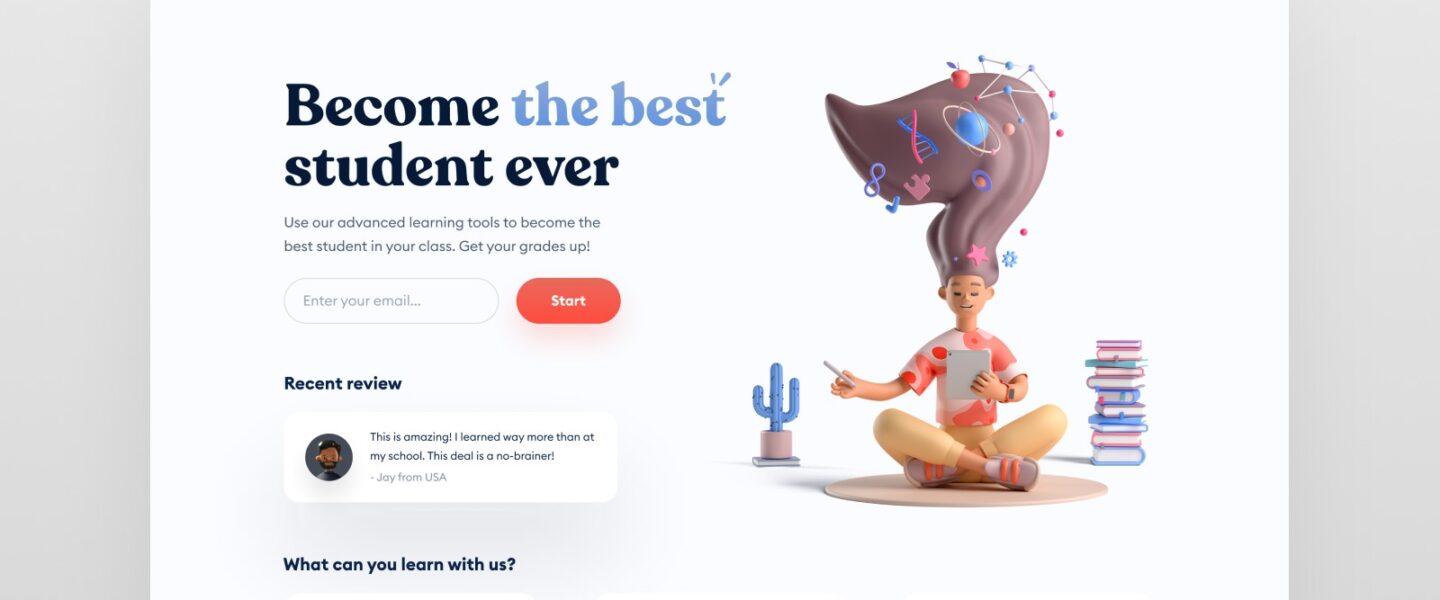
Top UI Designer Learning Platforms: Best Online Courses to Boost Your Skills
Are you aspiring to become a top UI designer in the booming field of education technology? Universities, colleges, and schools across the globe are investing heavily in digital learning platforms and innovative user experiences. If you’re seeking a job in edtech as a UI designer, mastering the right skills and choosing the best online courses can accelerate your career and make your resume stand out.In this comprehensive guide, we’ll explore the leading online courses, the key benefits, practical tips for success, and the vital knowledge you’ll need to shine in the education sector.
Why UI Design Skills Matter in Education Technology
The modern education landscape increasingly relies on online learning platforms, portals, and apps. Well-crafted UI (User Interface) design improves student engagement, streamlines navigation for teachers and administrators, and ensures accessibility for all users. Schools and universities now demand UI designers who understand pedagogy, inclusive design, and the unique needs of educational environments.
- Enhanced Engagement: interactive and visually appealing interfaces boost learning outcomes.
- Accessibility Compliance: UI designers are responsible for ensuring platforms are usable by diverse audiences, including individuals with disabilities.
- edtech Innovation: Designers play a critical role in shaping how technology is integrated into classrooms and remote learning.
By acquiring specialized UI design skills tailored for education technology, you’ll be prepared to land rewarding roles in top schools, colleges, and universities.
Best Online Courses for UI Designers Targeting Education Technology
If you’re ready to advance your career, choosing the right UI design course is crucial. Below, we highlight outstanding online courses and learning platforms that focus on both fundamental skills and the application of UI design in educational technology.
1. UI Design Fundamentals
Starting with the basics ensures a strong foundation. Look for courses that cover:
- Principles of Design: Color theory,typography,and composition.
- Usability & Accessibility: Making learning platforms user-kind and accessible for all students.
- wireframing & Prototyping: Tools like Figma, Adobe XD, and Sketch are industry standards.
Gaining a robust grounding in these areas prepares you for complex education platform projects.
2.Specialized UI design for Learning Platforms
Several top-rated courses go beyond general UI design and teach skills specific to the education technology landscape. Key topics include:
- Educational Workflows: Designing for student dashboards, assignment submission, and grading systems.
- Gamification: Using game mechanics to motivate learners.
- Mobile Learning: Creating responsive designs for smartphones and tablets to support on-the-go education.
These specialized modules prepare you to work on real classroom solutions.
3. Advanced UX/UI Strategies for EdTech
For those seeking a competitive edge, advanced courses frequently enough delve into:
- User Research: Understanding teachers’ and students’ digital behaviors.
- Accessibility Standards: Implementing WCAG guidelines on web and app platforms.
- Data-driven Design: Interpreting analytics to optimize user flows on learning systems.
UI designers with advanced knowledge can lead platform redesigns and advocate for inclusive,efficient interfaces within educational institutions.
4. Portfolio Building & Real-World Projects
The best UI designer courses include capstone or real-world projects. These give you the chance to:
- Design a prototype for a school management portal.
- Create an interactive dashboard for teacher-student communication.
- Redesign a digital textbook interface for improved engagement.
Completing such projects provides tangible proof of your expertise and sets you apart in job applications for universities and schools.
Top Learning Platforms for UI Designers Interested in Education Technology
Choosing the right learning platform is just as significant as the curriculum. Here are some leading options:
- Comprehensive Online Academies: Platforms offering structured programs with certificates, hands-on projects, and community interaction.
- Modular Skill-Based Platforms: Bite-sized lessons focusing on software tools, accessibility, and edtech-specific challenges.
- Project-Based Learning Portals: Course providers that encourage building a portfolio relevant to school and university jobs.
- Mentorship and Peer Review Options: Platforms that pair learners with experienced edtech designers for feedback and advice.
Many platforms now tailor courses for UI designers looking to work directly in education technology environments, so ensure you select one where you’ll gain practical experience alongside theoretical knowledge.
Essential UI Designer Skills for Education Technology Jobs
When preparing for roles in schools, colleges, or universities, aspiring UI designers shoudl master the following competencies:
- Platform Familiarity: Experience with learning management systems (LMS), virtual classrooms, and educational apps.
- Accessibility and Worldwide Design: Understanding guidelines to accommodate all student populations.
- Collaboration: Ability to work closely with teachers, IT staff, and administrators to align designs with educational goals.
- Prototyping Tools Mastery: Competency with Figma, Adobe XD, Sketch, and similar tools commonly used in educational design teams.
- Responsiveness: Ensuring seamless experiences across desktops, tablets, and smartphones.
Highlighting these skills in your portfolio and on your resume will make you highly attractive to edtech recruiters.
Benefits of Taking Online UI design Courses
Enrolling in online UI designer courses offers several advantages, especially if you’re aiming for a role in education technology:
- Flexible Learning: Study at your own pace and adapt your schedule around existing commitments.
- Up-to-Date Content: online platforms regularly update modules to reflect the latest trends in edtech UI design.
- Networking Opportunities: Connect with peers, mentors, and industry professionals.
- Practical Application: Many courses let you work on edtech-themed projects for your portfolio.
- Certification: Obtain industry-recognized credentials to showcase on your CV and LinkedIn profile.
Practical Tips for Job Seekers: Standing Out in EdTech UI Design Roles
Ready to put your skills to the test? here are some proven strategies for landing a great job as a UI designer at universities or schools:
- showcase Relevant Work: Build a portfolio that features UI design projects for education platforms or e-learning systems.
- Stay Current: Follow the latest trends in digital education—think mobile-first design and interactive features.
- Network with EdTech Professionals: Attend webinars, workshops, or online communities focused on education technology.
- highlight Accessibility knowledge: Demonstrate your understanding of accessibility guidelines and universal design best practices.
- Customize Your Resume: Tailor your application materials to highlight skills and experiences relevant to school or university settings.
Employers in education technology are searching for designers who not only create gorgeous interfaces but also understand the mission-driven goals of their institutions. Focusing on these elements will help position you as the ideal candidate.
Conclusion: Start Your Journey as a UI Designer in Education Technology
As the world of education transforms with technology, the demand for UI designers in schools, colleges, and universities continues to soar. By investing in the best online UI design courses and learning platforms, you’ll gain the practical and theoretical skills needed to make a meaningful impact in the classroom and beyond. From mastering accessibility and responsive design to building a standout portfolio tailored for education, your journey starts with the right training.
Begin your learning today, apply these expert tips, and watch your UI design career in education technology flourish. Whether you’re an aspiring designer or an experienced professional pivoting to edtech, unlocking these skills will open doors to innovative roles and help shape the future of digital learning experiences for generations to come.