
training and Progress Manager – Education: Key Responsibilities, Skills, and Career Path
Are you passionate about education technology and eager to play a pivotal role in helping teachers, administrators, and students thrive? As digital transformation accelerates across universities, colleges, and schools, the demand for skilled training and Development Managers in Education continues to grow. this comprehensive guide unpacks everything you need to know about pursuing a career as a Training and Development Manager in the educational sector. From key responsibilities and essential skills to career trajectory and pro tips, we’ve gathered the insights you need to launch or advance your EdTech career in higher education or K-12 environments.
What Is a Training and Development Manager in Education?
A Training and Development Manager in education is responsible for designing, implementing, and overseeing staff training programs that empower educators and administrative staff to leverage educational technologies and teaching strategies effectively. Operating at the intersection of human resources, learning innovation, and educational leadership, this role ensures that faculty and staff remain up-to-date with emerging tools, compliance requirements, and pedagogical trends.
Whether working in a university, college, or K-12 institution, Training and Development Managers in education play a crucial role in shaping how technology is adopted, how change is managed, and how continuous professional growth is fostered across the learning community.
Key Responsibilities of a Training and Development Manager – Education
The job description for a Training and Development Manager in education may vary depending on the institution, but core duties commonly include:
- Assessing Training Needs: Collaborate with faculty, staff, and leadership to identify skill gaps and professional development needs related to educational technology, curriculum changes, and policy compliance.
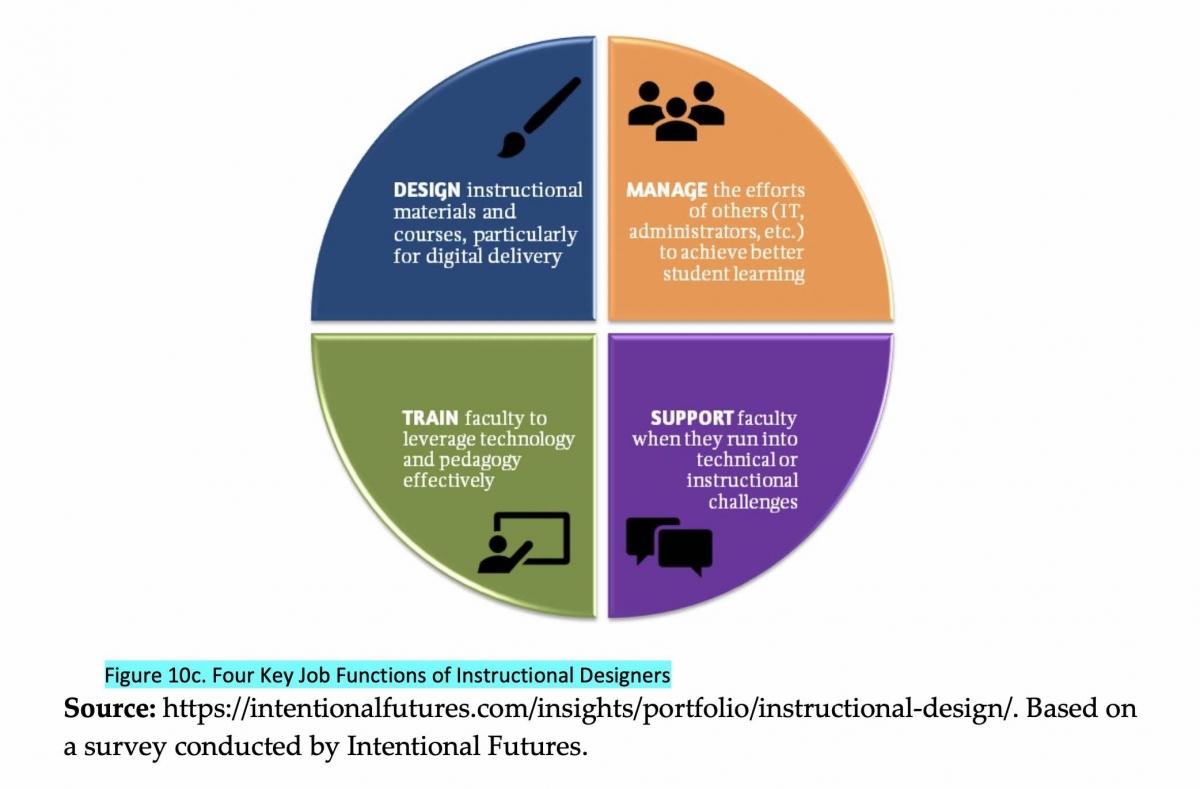
- Program Design and Delivery: Create, implement, and evaluate training programs on topics such as learning management systems, digital assessment tools, diversity and inclusion, data privacy, and instructional best practices.
- Staff Development: Support ongoing professional development for teachers, teaching assistants, administrators, and IT staff by offering workshops, webinars, e-learning modules, and one-on-one coaching.
- Technological Integration: Help staff seamlessly adopt new learning technologies,digital platforms,and classroom tools to improve teaching efficacy and student engagement.
- Evaluation and Feedback: Monitor training effectiveness through assessments,surveys,and feedback mechanisms,refining programs as needed based on measurable outcomes.
- compliance Coordination: Ensure all staff training aligns with regulations,accreditation standards,and institutional policies.
- Budget and Resource Management: Allocate resources effectively to maximize training impact within budget constraints.
- Change Management: Lead change initiatives, fostering a culture of innovation and adaptability among faculty and staff.
- Reporting and Documentation: Maintain records of training programs, participation, and evaluations for compliance and continuous advancement.
Essential Skills for a Training and Development Manager in Education Technology
Success as a Training and Development Manager in an educational setting requires a unique blend of skills. Hear are the most crucial competencies and attributes:
- Leadership and Interaction: Inspire and guide staff with clear communication, empathy, and the ability to influence without authority.
- Instructional Design: Solid understanding of adult learning theory,instructional design models (such as ADDIE),and e-learning development.
- Technology Proficiency: Expertise with educational software such as LMS platforms (e.g., Canvas, Moodle), assessment tools, collaboration software, and emerging EdTech trends.
- Project Management: Ability to handle multiple programs, prioritize initiatives, and coordinate cross-functional teams efficiently.
- Analytical Thinking: Collect,analyze,and interpret data to measure training effectiveness and drive improvement.
- Problem-solving: Tackle challenges creatively, from resource constraints to resistance to change.
- Adaptability: Remain flexible and open to evolving technologies, pedagogical approaches, and institutional goals.
- Collaboration: Work well with diverse teams, including IT departments, faculty, administrative leadership, and external partners.
Career Path and Advancement Opportunities
If you’re aiming to become a Training and Development Manager in education, understanding the typical career path is essential. Here are the most common steps and advancement options:
Entry and Progression
- entry-Level Positions: Many start their careers as instructional technologists, educational trainers, teachers, or human resources officers with a focus on professional development.
- Mid-Level Roles: Progression may include roles like Senior Training Specialist, Instructional Coordinator, or Academic Technology Coordinator.
- management: After gaining meaningful experience, professionals advance to Training and Development Manager, overseeing school-wide or campus-wide staff development.
- Senior Leadership: With further expertise, advancement to Director of Training and Development, Chief Learning Officer, or similar executive positions is absolutely possible.
Education and Certification
- A bachelor’s degree in education, instructional design, human resources, or a related field is typically required.
- Many roles prefer or require a master’s degree, especially in Educational Technology, Curriculum and Instruction, or Organizational Development.
- Relevant certifications such as ATD’s Certified Professional in Talent Development (CPTD), SHRM Certified Professional, or a teaching license can enhance your credentials.
Professional Development
Ongoing professional learning, participation in EdTech conferences, and networking with other professionals are key to staying current and advancing your career in education technology training.
Benefits of Being a Training and Development Manager in Education
Choosing a career as a Training and Development Manager in the educational sector offers a wide range of advantages, including:
- Impact: Directly influence the quality of education by supporting faculty and administrators in adopting best practices and transformative technologies.
- Job Security: Demand for EdTech and staff development experts is on the rise as institutions increasingly invest in digital and blended learning solutions.
- Variety: Engage in diverse tasks, from teaching and coaching to project planning, technology evaluation, and policy development.
- Collaboration: Interact with a wide array of professionals, fostering rich collaborative relationships across departments.
- Personal Growth: Expand your own knowledge and skills through exposure to new educational tools, leadership opportunities, and industry innovations.
- Competitive Compensation: Management roles in education frequently enough offer competitive salaries, robust benefits, and professional development support.
Practical Tips for Aspiring Training and Development Managers in edtech
Ready to take the next step toward a fulfilling career as a Training and Development Manager in the education sector? Incorporate these practical tips to enhance your employability and stand out to recruiters:
- Gain Hands-On experience: Volunteer for training initiatives, pilot EdTech projects, or serve as an instructional technology liaison in your current institution.
- Build a Portfolio: Document your training materials,program results,and case studies to demonstrate your impact in previous roles.
- Stay Tech-Savvy: Continuously explore new educational software, digital teaching tools, and emerging edtech trends.
- Network Purposefully: join professional associations, participate in conferences, and connect with other training professionals and educators.
- Develop Soft Skills: Strong interpersonal and communication skills are as essential as technical proficiency for leadership roles.
- Seek Mentorship: Find a mentor in EdTech leadership to provide guidance on professional development and career navigation.
- Highlight Achievements: Tailor your resume and cover letter to showcase results-driven experience in training and development within educational settings.
Conclusion
The role of the Training and Development Manager in education is both dynamic and rewarding, offering a rich blend of leadership, technology, and educational innovation.As universities, colleges, and schools deepen their investment in EdTech and professional training, qualified managers are increasingly sought after to drive effective change and champion lifelong learning. By developing the right skills, gaining relevant experience, and staying proactive in your professional journey, you can build a meaningful career that influences education’s future for both teachers and students.
Now is the perfect time to explore job opportunities as a Training and Development Manager in education. With commitment to growth and a passion for learning,you can make a real impact in the evolving landscape of educational technology and staff development.