
Training and Development Manager – Education: Key Roles, Qualifications, and Career Insights
Introduction
In the rapidly evolving landscape of education technology, the demand for skilled professionals who can drive the growth, training, and development of educators and staff is surging. If you are seeking a fulfilling career in universities, colleges, or schools, the role of a Training and Development Manager in education technology offers fantastic opportunities for personal impact and career advancement.
This comprehensive article unpacks the key responsibilities,required qualifications,and practical insights for job seekers interested in this dynamic field—ensuring you have everything you need to launch or advance your career.
What Dose a Training and Development Manager Do in Education?
A Training and Development Manager in education technology is responsible for designing, implementing, and managing professional development programs that empower educators, staff, and administrative teams. These experts close skill gaps, introduce innovative technologies, and help institutions maximize the value of their educational tools and strategies.
Core Responsibilities
- Program Design and Implementation: Create and coordinate tailored training modules for educators, administrators, and support staff.
- Technology Integration: Ensure the effective adoption and use of educational technology platforms, such as Learning Management Systems (LMS), interactive classrooms, or digital assessment tools.
- Assessment and Evaluation: Monitor training outcomes, analyze feedback, and refine programs for continuous betterment.
- Leadership and Collaboration: Lead teams, facilitate workshops, and collaborate closely with academic administrators and IT departments.
- Compliance and Professional Standards: Ensure education programs meet accreditation bodies’ requirements and government regulations.
- Resource Management: Oversee budgets for professional development, source training materials, and optimize resources for maximum impact.
- Mentoring and Support: Offer ongoing guidance and support to educators, fostering a positive learning habitat and encouraging innovation.
Essential Qualifications and Skills
To succeed as a Training and Development Manager in education technology, candidates should possess a mix of academic credentials, hands-on experience, and specialized skills.
Educational Background
- Bachelor’s degree in Education, Human Resources, Instructional Design, or related field (minimum requirement).
- Master’s degree in Education Technology, Educational Leadership, Organizational Development, or similar areas (highly preferred).
- Certification in learning Management Systems,digital instructional tools,or professional development programs (optional but attractive).
Technical and Professional Skills
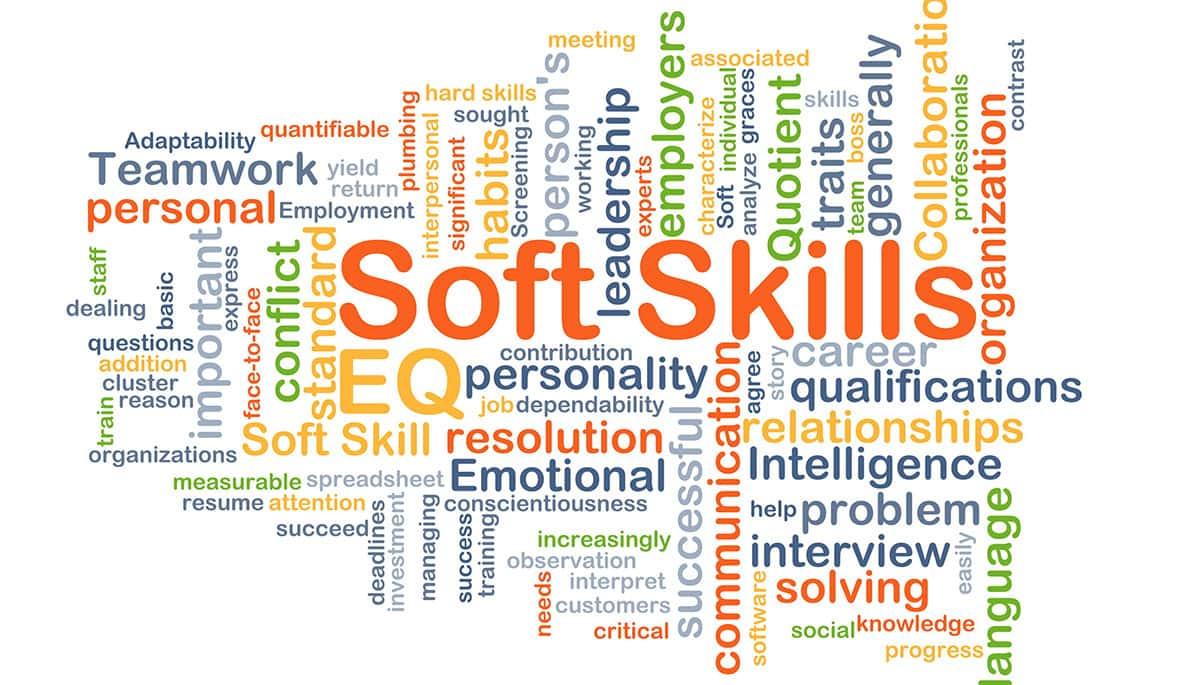
- Strong Dialog: Excellent written and verbal communication to engage and inform diverse audiences.
- Project management: Capable of handling multiple projects and deadlines efficiently.
- Analytical Thinking: Adept at evaluating training effectiveness using data analytics.
- Instructional Design: Skilled at developing interactive and impactful learning materials.
- Change Management: Ability to guide faculty and staff through new technological transitions smoothly.
- Digital Literacy: Familiarity with current educational technology trends,tools,and best practices.
- Leadership: Inspiring teams, resolving conflicts, and fostering professional growth within educational institutions.
Typical Career Pathways and Advancement Opportunities
The role of a Training and Development Manager fits into a broader career trajectory within education technology. Here are typical steps on the pathway:
- Entry-level: Start as an instructional Designer, Training Coordinator, or Technology Integration Specialist.
- Mid-Level: Advance to roles such as Senior Trainer,Professional Development Specialist,or Team Lead.
- Managerial: Assume the position of Training and Development Manager, overseeing multiple programs and teams.
- Leadership: Progress to positions such as Director of Professional Development, Chief Learning Officer, or Head of Training and Curriculum.
Many universities, colleges, and schools also offer opportunities to specialize in areas like e-learning, faculty development, organizational leadership, or curriculum innovation. With experience and continuous education, Training and Development Managers can play a pivotal role in shaping institutional strategy.
Benefits of working as a Training and Development Manager in Education Technology
This career is not only professionally rewarding, but it also offers a range of benefits:
- Positive Impact: Make a real difference by enhancing teaching quality and student learning outcomes.
- Professional Growth: opportunities for ongoing education, skill upgrading, and career advancement.
- Collaborative Environment: Work with diverse teams of educators, technologists, and administrators.
- Job Security and Demand: As educational institutions adopt more technology, the demand for training and development professionals continues to grow.
- Dynamic work: tackle new challenges every day, from integrating cutting-edge technologies to designing transformative learning experiences.
- Competitive Compensation: Enjoy attractive salary packages and benefits, especially at high-ranking universities and colleges.
Practical Tips for Job seekers
Landing a role as a Training and Development Manager in education technology requires readiness and strategic action.Here’s how to maximize your chances:
1. Build a Robust Educational Resume
- Highlight relevant degrees, certifications, and continuing education.
- Showcase experience designing and delivering training in educational contexts.
- Use clear, proactive language to emphasize leadership and project success.
2. Develop Your Digital and Instructional Skills
- Gain hands-on experience with popular Learning Management Systems (like Canvas, Blackboard, Moodle) and educational software.
- Enroll in online courses related to instructional design, adult learning principles, and change management.
- Stay current with the latest education technology innovations and trends.
3. Network Within the Education Sector
- Attend professional conferences and industry webinars.
- Connect with Training and Development Managers via social media and professional groups.
- Seek informational interviews with university and school HR departments.
4. Gain Practical Experience
- Volunteer to lead professional development sessions or digital initiatives at your current institution.
- Collaborate with academic teams to roll out new technology or training schemes.
- Take part in pilot programs for new instructional technologies.
5. Prepare for Interviews and Selection Processes
- Practice answering questions about program design, technology integration, and leadership.
- Prepare examples of successful training initiatives you’ve led or participated in.
- Demonstrate adaptability by discussing times you managed technological or organizational change.
Key Qualities of effective Training and Development Managers
Successful professionals in this role frequently enough stand out for their:
- Vision: Ability to anticipate future trends and adapt strategies accordingly.
- Empathy: Understand the challenges faced by educators and staff during technology transitions.
- Problem-Solving: Quickly identify issues and develop actionable solutions.
- Resilience: Skillfully manage setbacks and maintain focus on long-term goals.
- enthusiasm for Innovation: Passionate about enhancing education through technology and professional development.
Frequently Asked Questions (FAQs)
What industries hire Training and Development Managers in education technology?
While public and private schools and universities are primary employers, roles are also available in educational technology companies, curriculum publishers, training consultancies, and governmental education agencies.
Is remote or hybrid work available for this role?
With digital technologies becoming mainstream,many institutions now offer remote or hybrid roles,especially for program development,resource creation,and virtual training delivery.
How critically important is certification for advancement?
certifications in instructional technology, project management, or professional facilitation are increasingly valued. They can set you apart during hiring and promotion processes but are frequently enough less critical than hands-on experience and proven leadership.
conclusion: Chart Your Path in Education Technology
A career as a Training and Development Manager in education technology is an excellent possibility to make a meaningful difference in the lives of educators and students while advancing your professional goals. By acquiring the necessary qualifications, expanding your technical expertise, and sharpening your leadership abilities, you can become an indispensable part of any university, college, or school’s commitment to innovation and excellence in teaching.
Take proactive steps now to build your skills, connect with industry experts, and position yourself for success in this dynamic and rewarding career path. Whether you’re just starting out or ready for the next challenge, education technology offers a world of possibilities for passionate Training and Development Managers.