
Training and Development Manager – Education: Key Roles, Skills & career Path
Are you passionate about fostering learning and innovation in the education sector? Interested in leveraging technology to empower teachers and staff? Consider pursuing a role as a Training and Development Manager in Education Technology. Whether you aim to work in universities, colleges, or schools, this dynamic career path blends leadership, instructional design, and technology adoption, helping educational institutions thrive in the digital age.
What Does a Training and Development Manager in Education Technology Do?
A Training and Development Manager specializing in education technology is responsible for planning, implementing, and overseeing training programs tailored for teachers, administrative staff, and sometimes even students. Their primary goal is to enhance digital literacy,improve teaching effectiveness,and streamline institutional processes by making the best use of modern educational tools and platforms.
Core Responsibilities
- Needs Assessment: Evaluating current skill gaps and training needs through surveys, interviews, and performance analysis.
- Program Design: Developing custom training modules on various education technologies, learning management systems (LMS), classroom tools, and digital resources.
- Facilitating Training: Conducting workshops, webinars, and hands-on sessions for faculty and staff.
- Evaluating Outcomes: Measuring the effectiveness of training programs through assessments, feedback, and performance metrics.
- Collaboration: Partnering with IT departments, academic leaders, and EdTech vendors to ensure seamless integration of technological solutions.
- Staying Current: Keeping up-to-date with the latest trends in educational technology to ensure ongoing innovation and best practices.
Essential Skills for a Training and Development Manager in Education
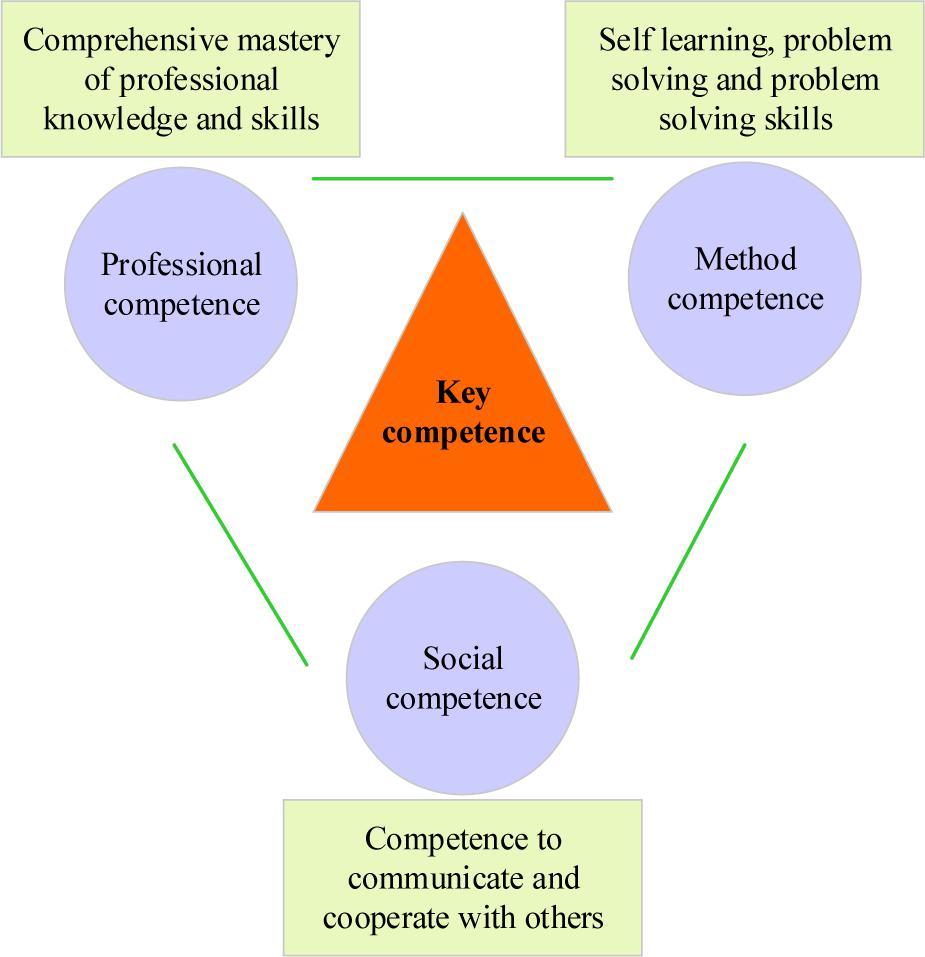
Successful Training and development Managers in education technology combine soft skills with technical expertise. Here are the abilities most sought after by educational institutions:
1. Leadership and Interaction
- Strong verbal and written communication to engage diverse audiences.
- Ability to motivate and inspire teachers and administrative staff.
- Problem-solving and decision-making skills.
2. Instructional Design and Adult Learning
- Knowledge of curriculum development, especially for adult learners.
- Experience using instructional design models (e.g., ADDIE, SAM).
- Capability to assess training effectiveness and learning outcomes.
3.Technical Proficiency
- Expertise with learning management systems like Canvas, Moodle, Blackboard, or Google Classroom.
- Hands-on skills with EdTech tools, such as interactive whiteboards, online assessment platforms, and collaboration software.
- Understanding of emerging technologies, including AI in education and adaptive learning software.
4. Project Management
- Ability to manage multiple projects, set priorities, and meet tight deadlines.
- Familiarity with basic project management tools and methodologies.
5. Analytical and Research Skills
- Capacity to analyze data on training effectiveness, learner engagement, and technology use.
- Continuous enhancement mindset based on evidence and feedback.
Required Qualifications & Recommended Certifications
Most Training and Development Manager in education technology positions require a bachelor’s degree at minimum; however, a master’s degree is often preferred by colleges and universities. In addition to formal education, relevant certifications and ongoing professional development can significantly boost your profile.
Recommended educational Background
- Bachelor’s or Master’s degree in education, Instructional design, Educational Technology, Human Resources, or a related field.
- Teaching experience or classroom exposure is highly valued.
Professional Certifications
- Certified Professional in Learning and Performance (CPLP)
- Association for Talent Development (ATD) certifications
- Online instructional design or EdTech certifications, such as Google for Education or ISTE Certified Educator
Career path: How to Become a Training and Development Manager in Education Technology
The path to becoming a Training and Development Manager in education often starts with hands-on experience in teaching or curriculum design, followed by a transition into roles that involve technology integration and staff development. Here is a typical progression:
-
Start in Education or Training:
- Work as a classroom teacher, instructional coach, or educational technologist.
- Engage in professional development and stay informed about EdTech innovations.
-
Progress to Specialist Roles:
- Move into positions such as professional development coordinator, instructional designer, or technology integration specialist.
-
Gain Managerial Experience:
- Take on project leadership, mentor colleagues, and manage training programs.
-
Advance to Manager:
- Apply for roles as a Training and Development Manager in universities, colleges, or school districts.
- Lead a team,manage budgets,and influence technology-driven change institution-wide.
Benefits of a Career as a Training and Development Manager in Education Technology
Choosing a career as a Training and Development Manager in educational settings comes with many professional and personal advantages, including:
- Impactful Work: Directly contribute to improved teaching quality and student outcomes through better use of technology.
- Continuous Learning: Stay at the forefront of digital change in education,always learning about emerging tools and strategies.
- Career Growth: Opportunities to advance into senior leadership roles such as Director of Professional Development or Chief Learning Officer.
- Collaborative Habitat: Work with innovative teams, educators, and tech professionals.
- Competitive Compensation: Higher education institutions and school districts often offer attractive salary packages and benefits.
Practical Tips for Job Seekers: Landing a Training and Development Manager Role
If you are aiming to secure a position as a Training and Development Manager in education technology, here are actionable steps to enhance your job search:
- Tailor Your Resume: Highlight relevant experience in educational technology, training, and leadership roles. Use quantifiable achievements where possible (e.g., “Increased LMS adoption by 40% among faculty”).
- Build a Professional network: Join education technology networks and attend conferences or local EdTech meetups to expand your contacts.
- Showcase Technical Fluency: Demonstrate hands-on experience with major EdTech platforms and learning management systems during interviews.
- Emphasize Soft Skills: Adaptability,communication,and project management skills can set you apart from the competition.
- Stay Updated: Participate in webinars, online courses, and professional development opportunities to keep up with the latest tools and trends.
- Demonstrate Results: Share case studies or examples of how you have successfully implemented technology initiatives in educational settings.
Job Outlook and Salary Expectations
The demand for Training and Development Managers in education technology continues to rise as institutions accelerate digital transformation initiatives. According to recent data, the employment outlook is strong, with opportunities at K-12 schools, colleges, universities, and even EdTech companies serving the education sector.
- Median Salary: In the United States, salaries typically range from $70,000 to $110,000 annually, depending on experience, education level, and institution size.
- Job Security: High demand for professionals who can support faculty through technology transitions and drive organizational change.
- Advancement Potential: Opportunities to move into senior leadership, district-wide or even cross-institutional roles.
Conclusion
Pursuing a career as a Training and Development Manager in education technology offers rewarding challenges and excellent growth prospects. You’ll play a pivotal role in bridging the gap between education and technology, empowering teachers and staff, and shaping the future of learning. With the right mix of instructional design, leadership, and tech-savvy skills, you can unlock exciting opportunities at schools, colleges, and universities. Take proactive steps in upskilling, networking, and gaining relevant certifications, and you’ll be well on your way to making a lasting impact in the rapidly evolving field of educational technology.