
Training and Development Manager – Essential Education Pathways and Career Tips
Are you considering a fulfilling career as a Training and Development Manager in the exciting world of education technology? Whether you’re passionate about shaping the future of learning or empowering educators and students, this role offers dynamic opportunities in universities, colleges, and schools. In this comprehensive guide, we’ll walk you through the essential education pathways, must-have skills, benefits of the role, and practical career tips to help you excel as a Training and Development Manager in EdTech environments.
What Does a Training and Development Manager Do?
A Training and Development Manager in education technology works to improve teaching, learning, and administrative practices by designing, delivering, and evaluating professional development programs. These professionals ensure that faculty, staff, and sometimes students can effectively use digital tools, online platforms, learning management systems, or any new educational technologies adopted by the institution.
- Identifies skill gaps and learning needs
- Develops training materials and curriculum
- Facilitates workshops, webinars, and eLearning courses
- Collaborates with EdTech vendors and IT departments
- Stays ahead of edtech trends and evaluates new products
- Monitors and reports on training effectiveness
Essential Education Pathways
Landing a role as a Training and Development Manager in education technology typically requires a strategic blend of formal education and specialized certifications. Here are the primary educational requirements:
Bachelor’s Degree
- Fields: Education, Instructional Design, Human Resources, Organizational Development, or related disciplines
- Key coursework: Adult learning theory, technology integration, curriculum development
Master’s Degree (Preferred or Required)
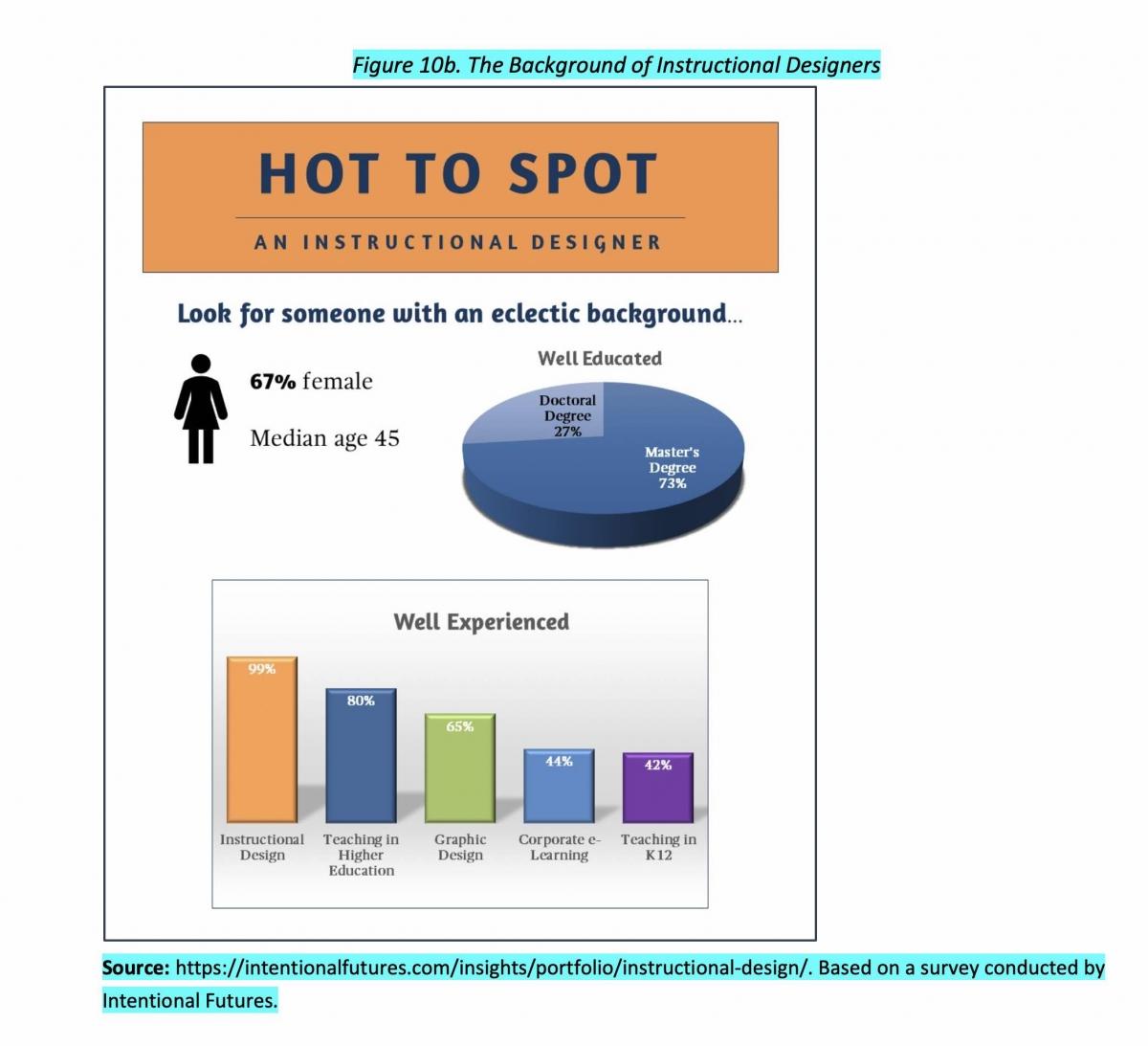
- Master’s in Education Technology, Instructional Design, Educational Leadership, or Business Administration
- Benefits: Enhanced expertise, leadership skills, and advanced knowledge of digital transformation in academia
Professional Certifications
- Certified Professional in Learning and performance (CPLP)
- Certified Training and Development Manager
- EdTech specialist certifications (such as Google Educator Certification or microsoft Certified Educator)
- Project Management certifications (e.g., PMP) for management-focused roles
On-the-Job Training and Continuous Learning
- Hands-on experience with learning management systems (LMS) and digital platforms
- Workshops, seminars, and online courses on emerging educational technologies
Key Skills for Success in Training and Development Manager Roles
To thrive as a Training and Development Manager in the education sector, you’ll need a mix of hard and soft skills. Here are the most sought-after:
Technical Skills
- proficiency in Learning Management Systems (Moodle, Canvas, Blackboard)
- Ability to create eLearning modules using authoring tools (Articulate Storyline, Adobe Captivate)
- Data analysis and reporting for programme evaluation
- Familiarity with virtual classrooms, webinars, and mobile learning platforms
Interpersonal and Organizational Skills
- Strong communication and presentation skills
- Leadership and team building abilities
- Project management and organizational acumen
- Collaboration with educators, administrators, and tech teams
- Adaptability to rapid technological changes
Critical Thinking & problem Solving
- Needs assessment and gap analysis
- Strategic planning for long-term development
- Creative curriculum design
Career Pathways and Advancement
The role of a Training and Development Manager in education technology can open doors to many rewarding career avenues.Here’s a common progression:
- Training Coordinator or Specialist – First-hand experience in training delivery
- Instructional Designer – Expertise in curriculum and eLearning development
- Senior Training and Development Manager – Leading teams, strategic planning
- Director of Learning & Development – Overseeing institutional PD programs
- Chief Learning Officer or EdTech Consultant – High-level leadership, strategic influence
Cross-domain experience is highly valued. Experience with K-12, higher education, or corporate education technology can expand your marketability and expertise.
Benefits of Working as a Training and development Manager in EdTech
- Positive impact: Empower educators and enhance student learning outcomes
- job security: Growing demand for EdTech expertise as schools digitalize
- Competitive compensation: Salaries frequently enough above average in the education sector
- Intellectual challenge: Work on innovative projects, influencing new teaching methods
- professional growth: Continuous learning, leadership development, and access to new technologies
Top Practical Tips for Landing your First EdTech Training and Development Manager Job
Here’s how you can make your request stand out and kickstart your career:
- Build your EdTech portfolio: Showcase samples of professional development plans, eLearning modules, or past training sessions.
- Gain hands-on experience: Volunteer, intern, or freelance in training roles or with EdTech tools in education settings.
- Network actively: Join professional organizations, attend conferences, and engage with EdTech communities on campus or online.
- Stay up-to-date: Regularly research trends in education technology, such as AI in learning, gamification, adaptive learning, or virtual reality.
- Highlight relevant achievements: In your resume and interviews, emphasize successful training projects, leadership experience, and technology integration initiatives.
- Customize your application: tailor your CV and cover letter for each institution, demonstrating your understanding of their unique challenges and culture.
- Pursue lifelong learning: enroll in micro-credentials, MOOCs, or workshops related to instructional design, EdTech systems, and managerial leadership.
What Employers Look for When Hiring a training and Development Manager
If you’re applying for Training and Development Manager positions in universities, colleges, or schools, be prepared to demonstrate:
- Proven experience: Success in designing and delivering training within educational settings
- Tech-savviness: Comfort with new digital learning platforms
- Change management abilities: Successfully led staff or faculty through technology transitions
- Stakeholder engagement: Worked collaboratively with educators, administrators, and vendors
- Measurable results: Data-driven improvements in learning or operational efficiency
Challenges to Expect and How to Overcome Them
- Resistance to technology: Use empathy and clear communication strategies to help faculty and staff embrace new tools.
- Rapid evolution: Stay nimble by proactively researching and experimenting with the latest trends.
- Diverse needs: Customize your training programs for varied audiences, from faculty to administrative staff to students.
- Budget constraints: Demonstrate ROI and low-cost solutions to justify investment in training initiatives.
Conclusion: Your Path to a rewarding EdTech Career
choosing a career as a Training and Development Manager in education technology is more than just a job—it’s an opportunity to make lasting change. By following the essential education pathways, building key competencies, and embracing professional development, you can play a pivotal role in transforming learning environments at universities, colleges, and schools.Dive into the world of EdTech today, and use these career tips to shape your journey toward an engaging, growth-oriented profession in educational training and development.
Ready to take the next step? Start building your credentials, connect with the EdTech community, and get set to make a difference!