
Training and Support Coordinator: Key Duties, Skills, and Career Growth Guide
Are you passionate about education technology and seeking a fulfilling role at a university, college, or school? The position of Training and Support Coordinator is increasingly vital in academic institutions striving for digital transformation. This guide will provide an in-depth look at the role, outline core responsibilities, necessary skills, career growth opportunities, and practical tips to help you embark on a successful journey in education technology.
Introduction to the Training and Support Coordinator Role
education technology is fundamentally reshaping classrooms and administrative operations. As digital learning platforms,learning management systems (LMS),and other tech-driven tools become commonplace,the need for skilled professionals to facilitate technology integration has skyrocketed. the Training and Support Coordinator acts as a bridge between technological solutions and seamless classroom or administrative experiences. If you enjoy empowering educators, students, and staff with tech skills and troubleshooting assistance, this might be the ideal career path for you.
Key Duties of a Training and Support Coordinator
The responsibilities of a Training and Support Coordinator can vary by institution but generally encompass several core tasks. Here’s what you can expect if you step into this role:
- Organizing and Delivering Training Sessions: coordinate and conduct workshops for faculty, staff, and students to ensure effective use of education technology tools such as LMS, video conferencing platforms, or assessment software.
- Technical Support: Provide frist-line troubleshooting for tech-related issues encountered by end users,resolving queries over phone,email,and in person.
- Documentation and Resource Creation: Develop user guides, FAQs, video tutorials, and other resources to support ongoing learning.
- Feedback Collection and analysis: Gather feedback from training sessions and support tickets to identify recurring issues and areas for betterment.
- System management: Assist with the setup and maintenance of educational software platforms,including managing user access and resolving configuration issues.
- Collaboration with IT and Academic Staff: Work collaboratively with IT personnel, curriculum designers, and academic leaders to ensure technology aligns with institutional objectives.
- Staying Current with trends: Continuously monitor new edtech products, updates, and best practices to enhance training effectiveness and support.
Typical Work Environments
Training and Support Coordinators work across diverse academic settings including universities, community colleges, K-12 schools, and dedicated online learning departments. The job often requires adaptability,blending on-site workshops with remote support and virtual training sessions.
Essential Skills for Education Technology Training and Support Coordinators
Employers seek specific competencies when hiring Training and Support Coordinators in education technology. Cultivating these skills puts you on the fast track to success:
- Technical Proficiency: Familiarity with LMS (such as Moodle, canvas, Blackboard), video conferencing tools, and other edtech platforms is crucial.
- Interaction Skills: Clear verbal and written communication ensures you can explain complex technical information to non-technical audiences.
- Presentation Abilities: Confidence in leading workshops, webinars, and one-on-one trainings.
- Problem-Solving Talent: Fast thinking and analytical skills to resolve technical issues and adapt to new challenges.
- Customer Service Attitude: patience and a positive demeanor when assisting faculty, staff, and students.
- Documentation Skills: The ability to create instructional materials that guide users step-by-step.
- Project Management: Organizational skills to plan training calendars, track progress, and prioritize support tickets.
Desired Qualifications
Many employers prefer candidates with:
- Bachelor’s degree (Education, Instructional Technology, Information Systems, or related field)
- Relevant certifications (e.g.,Google Certified Educator,CompTIA IT Fundamentals)
- Experience with help desk and ticketing software
Benefits of Becoming a Training and Support Coordinator in Education Technology
Pursuing a career in education technology as a Training and Support Coordinator comes with multiple advantages:
- Direct impact on Learning: You help educators and learners unlock the full potential of technology,improving academic outcomes.
- Professional Development: Exposure to cutting-edge edtech tools and ongoing opportunities to enhance your tech skills.
- Collaborative Work Habitat: Work with diverse teams—including IT, academic, and administrative staff—making every day dynamic.
- High Demand: As education technology adoption grows, so does the need for skilled training and support personnel.
- Flexibility: Blend in-person and remote work, offering a balanced lifestyle.
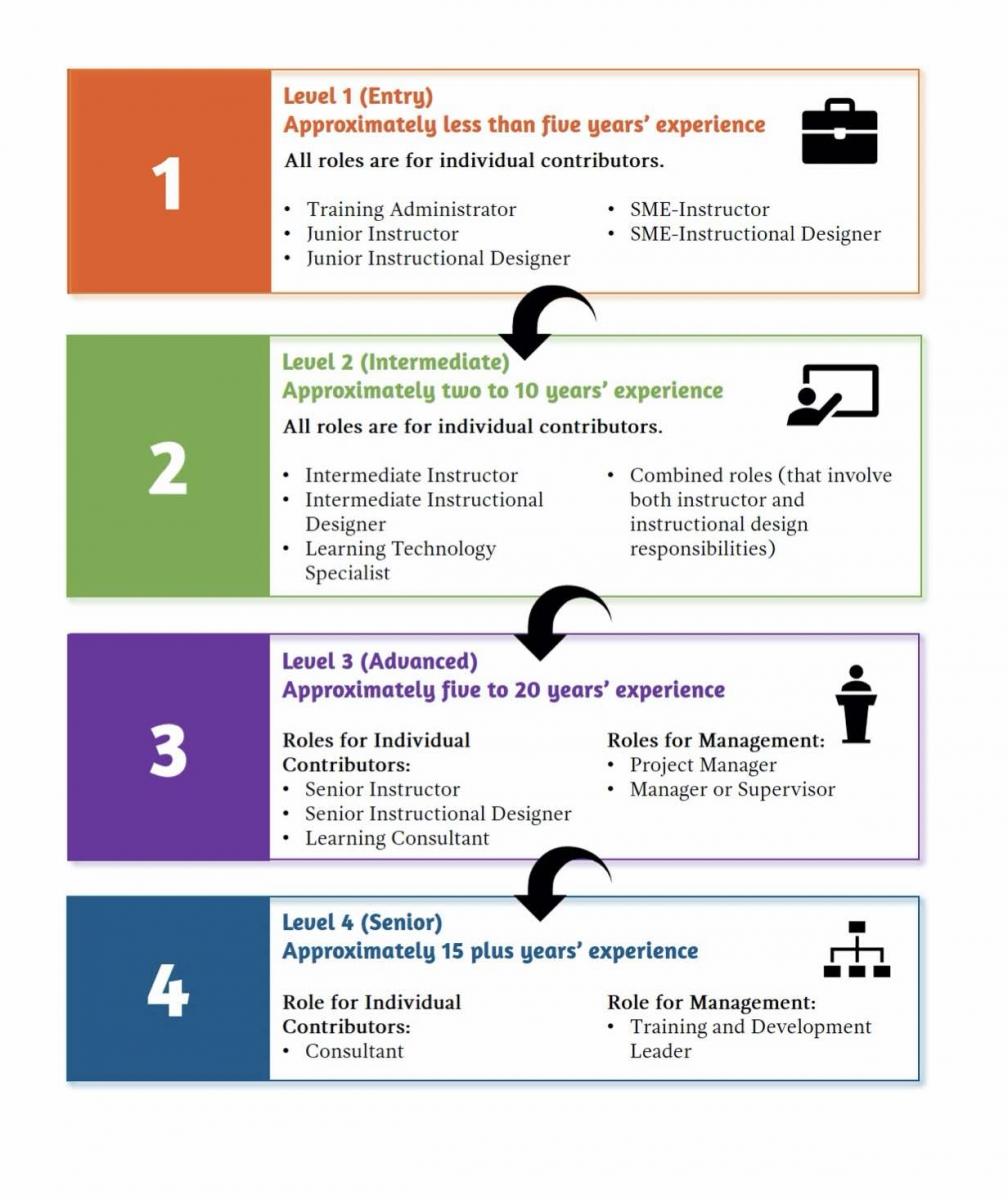
Career Growth Opportunities for Training and Support Coordinators
This role serves as a gateway to a variety of career paths within education technology:
- Instructional Designer: Transition into designing learning experiences and curriculum integrating technology.
- Edtech Specialist: Specialize in evaluating and implementing new tools or platforms for greater learning innovation.
- IT Manager or Director: Move up to oversee broader technology strategy and implementation across institutions.
- Professional Trainer: Expand into corporate training or consulting roles in higher education and K-12 settings.
Many of these roles are unlocked by continuous professional development, networking, and demonstrating results in improving technology adoption rates and user satisfaction within your institution.
practical Tips for Landing a Training and Support Coordinator Job
Follow these actionable steps to stand out when applying for Training and Support Coordinator positions in education technology at universities, colleges, or schools:
- Build Edtech Experience: Volunteer or intern at local schools or colleges to gain hands-on experience with technology platforms.
- Highlight Transferable skills: Showcase your communication, training, and troubleshooting abilities on your resume.
- Develop Technical Proficiency: Complete online courses in popular edtech systems or seek certifications valued in education.
- prepare a Portfolio: Gather samples of training materials, workshop plans, or help desk achievements to present during interviews.
- network: Engage with professional organizations and attend education technology conferences to connect with hiring managers and industry leaders.
- Tailor Your Request: Customize your resume and cover letter for each institution, emphasizing your alignment with thier mission and technology initiatives.
- showcase Soft Skills: Stress your ability to work with diverse groups, manage multiple projects, and remain calm under pressure.
Interview Preparation Tips
- Research the Institution: Understand their current tech stack and digital transformation goals.
- practice Scenarios: Be ready to answer situational questions around technical troubleshooting and managing training sessions.
- Demonstrate Adaptability: Share examples of how you’ve learned new technologies and supported users during tech rollouts.
Conclusion: Your path in Education Technology Starts Here
The role of training and Support Coordinator is pivotal for institutions striving to modernize teaching and learning experiences. By fusing technical expertise,communication skills,and a genuine desire to empower others,you can build a rewarding career in education technology at universities,colleges,or schools. Take advantage of ongoing training, keep up with the latest trends, and continue developing your skill set—you’ll pave the way to further career growth and increased professional satisfaction.
Ready to start your journey in education technology? Leverage the insights and strategies in this guide to position yourself for success in the fast-growing field as a Training and Support Coordinator.Your knowledge, passion, and dedication will help shape the future of academic excellence in the digital age.