
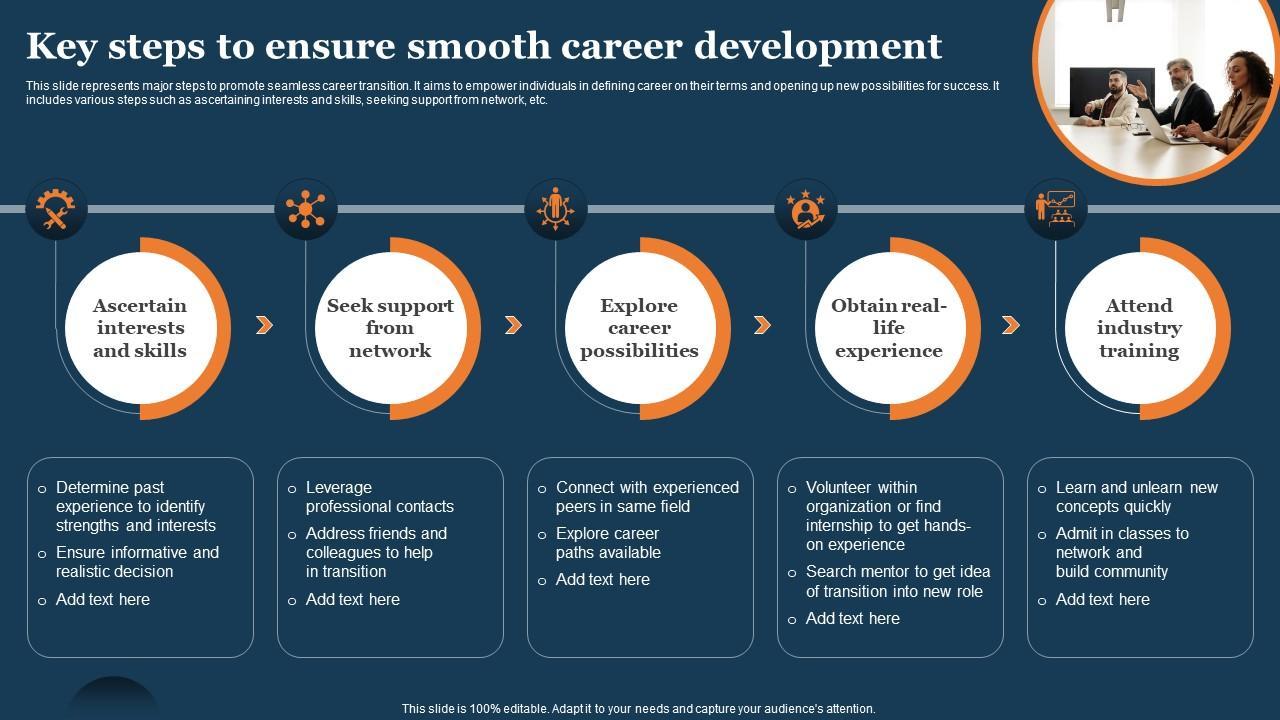
Training and Support Coordinator: Key Responsibilities, Skills, and Career Path Explained
Are you passionate about leveraging technology to enhance education? Considering a rewarding role in education technology at universities, colleges, or schools? One of the most dynamic and sought-after positions is the Training and Support Coordinator. This role is crucial for ensuring that faculty, staff, and students harness the power of digital tools to achieve their academic and administrative goals. In this comprehensive guide,we’ll detail the key responsibilities,essential skills,typical career paths,benefits,and practical tips to help you succeed as a Training and Support Coordinator in educational technology.
What Is a Training and Support Coordinator?
A Training and Support Coordinator in education technology serves as the connective tissue between technical teams, teaching faculty, administrative staff, and learners. They design, deliver, and evaluate professional development sessions, provide ongoing technology support, and help integrate digital solutions into classroom and administrative workflows. This position ensures that education technology investments yield positive outcomes and improve teaching and learning experiences for all stakeholders.
Key responsibilities of a Training and Support Coordinator
If you’re seeking a job in this field,understanding the daily tasks and expectations is vital. Here are the core duties of a Training and Support Coordinator in universities, colleges, or schools:
- Deliver Training Sessions: plan and conduct workshops, webinars, and hands-on training for faculty, staff, and students on educational technology platforms such as learning management systems, assessment tools, collaboration software, and more.
- Develop Training Materials: Create user guides, video tutorials, FAQs, and quick-start resources tailored to the institution’s digital infrastructure and user needs.
- Provide Technical Support: Troubleshoot user issues, answer support tickets, and liaise with IT teams to resolve software or hardware challenges efficiently.
- Facilitate Technology Adoption: Promote best practices for integrating technology into curriculum design, instructional delivery, and administrative processes.
- Collect and Analyze Feedback: Survey users after training sessions, track support metrics, and provide actionable insights to continually improve service quality.
- Monitor EdTech trends: Stay informed about emerging technologies and evaluate their potential for enhancing teaching and learning at your institution.
- Coordinate Dialogue: Act as the primary point of contact between academic departments, IT, and external vendors for technology-related initiatives and troubleshooting.
- Report to leadership: Prepare reports that summarize training efforts,adoption rates,and technical issues for institutional leaders.
Essential Skills for a Triumphant Training and support Coordinator
Recruiters are looking for candidates who possess a blend of technical expertise, communication skills, and project management abilities. Here are the top skills required to excel in educational technology support roles:
- Technical Proficiency: Solid understanding of education technology platforms like Canvas, Blackboard, Google Workspace, Microsoft 365, and Zoom. Familiarity with cloud-based solutions and digital security is also highly valued.
- Communication Skills: Ability to convey complex technical concepts in clear, accessible language for users with varying levels of tech experience.
- Interpersonal Skills: Empathy, patience, and the ability to listen actively are critical when supporting diverse users facing technology challenges.
- Instructional Design: Experience designing effective training programs and resources that promote adult learning and technology adoption.
- Problem-Solving: Analytical skills for diagnosing issues,identifying root causes,and suggesting pragmatic solutions.
- Project Management: capable of organizing workshops, managing support ticket systems, and juggling multiple priorities.
- Adaptability: Flexibility to cope with evolving technologies and shifting institutional needs.
- Collaboration: Ability to work seamlessly with IT teams,faculty,administrators,and external vendors.
Career Path: Opportunities and Advancement
The Training and Support Coordinator role offers robust career progression in the education technology sector at universities, colleges, and schools. Here’s an overview of common career paths you may pursue:
- Entry-Level Positions: Manny begin as Education Technology assistants or Support Specialists, gaining hands-on experience with school systems and user support.
- Training and Support Coordinator: After mastering foundational skills, professionals advance to coordinator roles, overseeing workshops, materials, and user support programs institution-wide.
- Educational Technology Manager: Coordinators can progress to management roles,leading strategic planning for technology integration across departments or campuses.
- Instructional Designer: With further training in curriculum development, coordinators often move into instructional design, shaping tech-enhanced learning experiences for broader audiences.
- Director of Technology or CIO: Seasoned professionals may advance to senior leadership roles, guiding long-term edtech investments and shaping institutional technology strategies.
- EdTech Consultant: Some carve out independent careers, advising institutions on education technology adoption, faculty training, and change management.
Benefits of Working as a Training and Support Coordinator
Opting for a career in educational technology offers meaningful rewards. Here are some benefits unique to the role:
- High Impact: Drive positive change in how students learn and faculty teach by making technology accessible and usable for all.
- Job Stability: the shift to hybrid and blended learning models has made technical training and support an indispensable function in every academic institution.
- Continuous learning: Exposure to cutting-edge tools and developments keeps your skills fresh and marketable.
- Interpersonal Engagement: build relationships with educators, learners, and administrators—making every day diverse and rewarding.
- Growth Opportunities: Your expertise is transferable across institutions and can open doors to specialist and leadership positions.
- Flexible Work Options: many roles offer the choice of remote, in-person, or hybrid arrangements, depending on your employer’s policies.
Practical Tips for Aspiring Training and Support Coordinators
Ready to launch your career in this promising field? Here are practical tips to help you land your ideal educational technology job as a Training and Support Coordinator:
- Network: Attend edtech conferences, webinars, and local events to meet professionals and learn about job opportunities at universities, colleges, and schools.
- Certify your Skills: Consider earning certifications in instructional technology, IT support, or specific platforms like Google Educator or Microsoft Certified Educator.
- Build a Portfolio: Showcase your creations—such as training videos, guides, or recorded workshops—to demonstrate your expertise to hiring committees.
- Gain Experience: Volunteer for technology support or training roles at schools, libraries, or non-profits to build hands-on skills and references.
- Stay Updated: Follow trusted sources for trends, updates, and best practices in education technology so you remain competitive and knowledgeable.
- Tailor Your Resume: highlight your accomplishments in technology training, troubleshooting, and project management—use keywords like “educational technology support,” “faculty development,” and “technology integration.”
Frequently Asked Questions (FAQs)
1. What qualifications do I need to become a Training and Support coordinator?
Most employers require a bachelor’s degree in education, instructional technology, computer science, or a related field. Some positions prefer candidates with teaching experience or certifications in IT support and educational technology. Strong technical, communication, and project management skills are essential.
2. Where can Training and Support Coordinators work?
You can find opportunities in K-12 schools, school districts, colleges, universities, adult learning centers, online institutions, and education-focused non-profits.
3. what is the average salary for educational technology coordinators?
Salaries vary by region and institution, but most Training and support Coordinators can expect a competitive salary with benefits. According to recent surveys, annual compensation ranges between $45,000 and $85,000, with advancement potential as you gain experience and certifications.
Conclusion
A role as a Training and Support Coordinator in education technology lets you combine communication, technical expertise, and teaching skills to have a lasting impact in the academic world. With digital transformation reshaping universities, colleges, and schools, these positions are in high demand and provide excellent opportunities for growth. By understanding the core responsibilities, developing essential skills, and following practical tips, you can launch a satisfying career in educational technology and become a vital part of tomorrow’s learning landscape.