
Training Content Developer: Key skills, Roles, and Best Practices for Success
Are you passionate about education and technology? Do you enjoy designing interactive learning experiences? If so, pursuing a career as a Training Content Developer in education technology could be your next big move. Universities, colleges, and schools are increasingly relying on EdTech professionals to create engaging training materials that foster effective learning.In this comprehensive guide,we’ll explore the key skills,responsibilities,and best practices you need to succeed as a Training content Developer in the education sector.
Introduction to the Role of Training Content Developer in EdTech
The education technology sector is booming as institutions invest in innovative digital solutions to enhance teaching and learning. Training Content Developers play a pivotal role in this ecosystem by designing, developing, and refining instructional materials and resources for staff, students, and faculty. Whether you’re aiming to create e-learning courses, video tutorials, or blended learning modules, your work is essential to achieving educational goals and improving learner outcomes.
Key Responsibilities of a Training Content Developer
Understanding your core responsibilities is the first step to excelling in a Training Content Developer role at a university, college, or school. Your daily tasks may include:
- needs Analysis: Collaborating with educators and administrative staff to determine training gaps and learning objectives.
- Curriculum and Content Design: Creating course outlines,lesson plans,instructional videos,and interactive e-learning modules tailored to specific audiences.
- Instructional Material Creation: Developing slide decks, job aids, user guides, quizzes, and digital assessments using modern authoring tools.
- Quality Assurance: Reviewing and testing content to ensure accuracy, accessibility, and alignment with institutional or accreditation standards.
- Content Adaptation: Updating existing materials in response to feedback, new technologies, or changes in curriculum requirements.
- Collaboration: Working closely with subject matter experts, IT teams, and instructional designers to deliver comprehensive learning experiences.
- Training Delivery support: Assisting instructors and facilitators with implementing new training materials through workshops or training sessions.
- Analytics and Feedback: Gathering and analyzing data on learner engagement and success to inform ongoing improvements.
Essential Skills for a Successful Training Content Developer
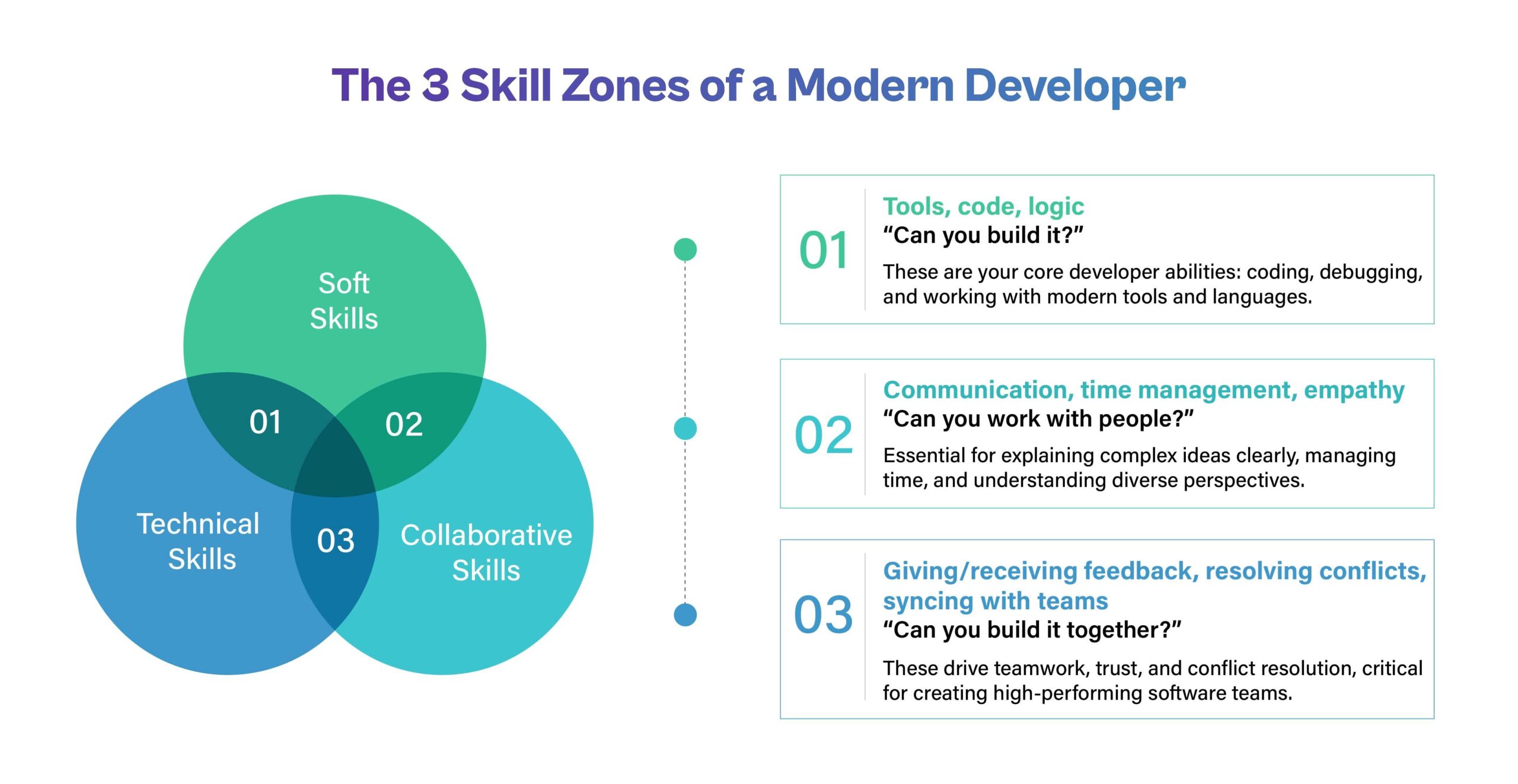
Excelling as a Training Content Developer in the education sector requires a blend of technical, pedagogical, and interpersonal skills. Here are the key competencies you should cultivate:
1. Instructional Design Expertise
- strong grasp of learning theories and instructional design models (e.g., ADDIE, SAM, Bloom’s Taxonomy).
- Experience creating clear learning objectives and measurable outcomes.
2. Technical Proficiency
- Familiarity with Learning Management Systems (LMS) such as Moodle, Blackboard, or Canvas.
- Experience with e-learning authoring tools like Articulate Storyline, Adobe Captivate, or Camtasia.
- Basic knowledge of multimedia production (audio, video, graphics) and digital accessibility.
3.Pedagogical Insight
- Understanding of age-appropriate instructional strategies and differentiated learning.
- Ability to design inclusive content for diverse learners, including those with special needs.
4. Communication and Collaboration
- Excellent written and verbal communication skills.
- Comfort working collaboratively across departments, especially with subject matter experts (smes).
- Ability to translate complex information into accessible, engaging content.
5. Project Management
- Strong organizational skills and attention to detail.
- Experience managing multiple projects concurrently and meeting deadlines.
- Proficiency with project management or collaboration tools (e.g., Trello, Asana, Microsoft Teams).
6. Continuous Betterment Mindset
- Openness to feedback and willingness to iterate and improve content.
- Staying current with EdTech trends and best practices.
Benefits of a Career as a Training Content Developer in Education Technology
A role as a Training Content Developer in education technology offers a variety of professional and personal rewards:
- Impactful Work: Directly influence how educators teach and how students learn, helping to shape the future of education.
- Diverse Work Environment: Collaborate with a range of professionals including educators, IT specialists, and administrative staff.
- Continuous Learning: Stay at the forefront of educational innovation and technology trends.
- Career Growth: Opportunities to advance into leadership roles in instructional design, EdTech management, or curriculum development.
- Job Security: Growing demand as more educational institutions prioritize digital learning and training initiatives.
Best Practices for Success as a Training content Developer
To thrive in this competitive EdTech landscape, adopt these best practices:
1. Stay Learner-Centered
Prioritize the needs of your target audience. Always ask: “How will this help learners achieve their goals?” Consider learner feedback, adapt content for different learning styles, and ensure accessibility for all users.
2. Leverage Technology Effectively
Utilize the latest digital tools to streamline content creation. Experiment with interactive media, adaptive learning technologies, and mobile-friendly designs to maximize engagement.
3. Embrace Data-Driven Decisions
Use analytics tools to track learner progress and identify knowledge gaps. Regularly assess the effectiveness of your materials and be prepared to revise content based on performance data.
4. Build Strong Relationships with Stakeholders
Effective content development is a team effort.Foster open communication with subject matter experts,educators,and IT staff to gather input and ensure alignment with institutional objectives.
5. Prioritize Clarity and Simplicity
Use plain language, clear visuals, and logical structure. Overly complex content can overwhelm learners and reduce retention.
6. Foster Inclusivity and Accessibility
Ensure that all content meets standards for accessibility (such as WCAG). Incorporate closed captions, alternative texts, and language translation where possible.
Practical Tips for Job Seekers in EdTech Training Content Development
- Build a Strong Portfolio: Showcase samples of e-learning modules, instructional videos, and curriculum materials you’ve developed.
- Gain Relevant certifications: consider certifications in instructional design, e-learning development, or project management to boost your resume.
- Network within the EdTech Community: Attend webinars, conferences, or online communities focused on education technology and instructional design.
- Keep Learning: Follow the latest research and trends in EdTech, digital pedagogy, and online learning.
- Highlight Transferable Skills: if you’re transitioning from teaching or another field, emphasize skills like curriculum development, communication, and technology adoption.
- Tailor Your Applications: Customize your resume and cover letter to highlight relevant skills and experiences for each position and institution.
Conclusion: Your Path to Success as a Training Content Developer
The role of a Training Content Developer is at the heart of education’s digital transformation. With the right mix of technical skills, creative vision, and pedagogical expertise, you can make a meaningful contribution to learners and educators alike.As universities,colleges,and schools continue to invest in education technology,demand for talented Training Content Developers will only increase.
If you’re excited by the prospect of crafting impactful digital learning experiences,there’s never been a better time to launch your career in EdTech. Focus on sharpening your key skills, staying abreast of industry trends, and connecting with fellow professionals—your future in education technology starts now!