
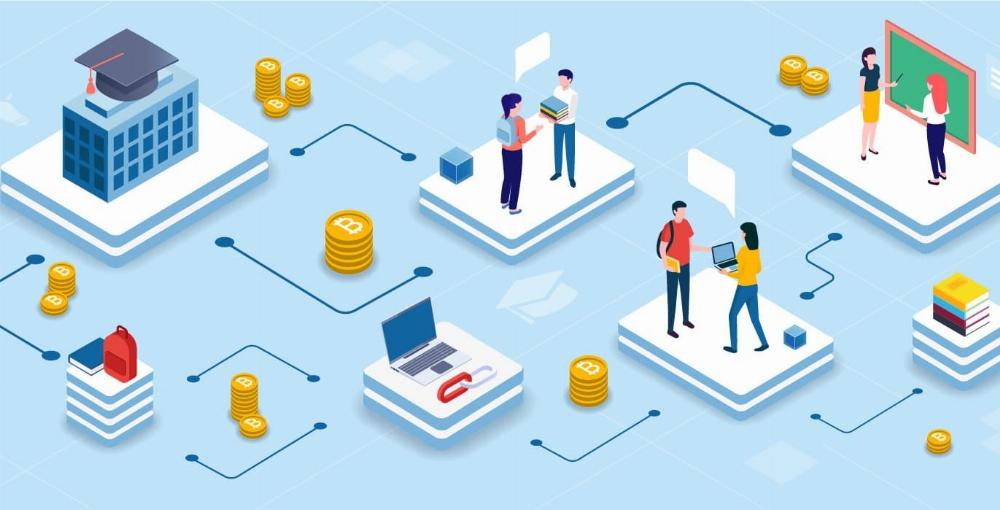
Transforming Academia: Case Studies of Blockchain Innovation in Higher Education
In the rapidly evolving landscape of higher education, blockchain technology is emerging as a game-changing force. From secure credentialing to transparent record-keeping,universities and colleges are embracing blockchain to address customary challenges,foster innovation,and build trust in academic processes.In this article, we explore how blockchain is transforming academia through real-world case studies, practical benefits, and implementation strategies.
What is Blockchain in Higher Education?
Blockchain technology is a decentralized digital ledger that records transactions securely,transparently,and immutably. In the context of higher education, blockchain offers an efficient way to store, verify, and share academic records, certificates, diplomas, and research data. Its attributes—security, decentralization, and clarity—make it ideal for academic institutions seeking innovative solutions to persistent problems, such as credential fraud and inefficient record management.
Key benefits of Blockchain for Academia
- enhanced Security: Blockchain’s encryption and decentralization prevent unauthorized access and tampering with student records.
- Credential Verification: Employers and institutions can instantly verify the authenticity of degrees and certificates.
- Administrative Efficiency: Automating processes such as transcript issuance reduces administrative burden and costs.
- Student Empowerment: Learners have control over their academic portfolio, which they can share easily and securely.
- Global Accessibility: Academic records are accessible from anywhere, facilitating international mobility and collaboration.
Case Studies: Blockchain Innovation in higher Education
1. MIT: Digital Diplomas on the Blockchain
The Massachusetts Institute of Technology (MIT) pioneered the use of blockchain for issuing digital diplomas. Through its Blockcerts initiative, graduates receive blockchain-based certificates that are tamper-proof and easily verifiable.
- Students can share their digital credentials with potential employers or other universities without relying on MIT to authenticate the documents.
- Employers can instantly verify credentials using a public blockchain,reducing fraud and administrative delays.
- Blockcerts is open-source, allowing other institutions to adopt the technology for their own credentialing needs.
2.University of Nicosia: Degrees and Continuing Education
The University of nicosia in Cyprus became the world’s first university to issue academic certificates on the Bitcoin blockchain. Every graduate receives a unique certificate, enabling secure verification and lifelong access.
- Supports both undergraduate and postgraduate degrees, as well as continuing education programs.
- Reduces administrative costs and streamlines the credential verification process.
- Boosts employability by providing instant validation of skills and achievements.
3.Sony Global Education: Blockchain for Teacher and Student Data
Sony global Education has developed a blockchain-based platform to manage and share student learning records securely. The system enables educational institutions to share learning data while maintaining privacy and data integrity.
- Real-time tracking and sharing of student achievements.
- Interoperability between different education systems and platforms.
- Enhanced data security and student privacy.
4. Learning Machine: Global Credentialing Platform
Learning Machine partnered with leading universities worldwide to offer blockchain-powered digital credentials. Institutions in Malta,the Bahamas,and Aruba use the platform for secure,borderless credentialing and academic record storage.
- Supports lifelong learning by allowing students to update and expand their digital portfolios.
- Reduces credential fraud and manual verification processes.
- Facilitates international mobility for students and professionals.
First-Hand Experiences: Voices from Academia
Educators,students,and academic administrators are sharing their experiences with blockchain adoption:
- Educators: “Blockchain frees us from time-consuming paperwork and allows us to focus more on teaching and mentoring.” – Dr. Elena Papadopoulos, University of Nicosia
- Students: “Having control over my credentials means I never worry about needing transcripts or certificates at short notice.” – MIT Grad, Blockcerts User
- Administrators: “The transparency blockchain provides builds trust with students and employers alike.” – John Wilson, Academic Registrar
Practical Tips for Implementing blockchain in Universities
- Start with Pilot Projects: Launch small-scale blockchain initiatives, like digital diploma issuance or research record management, to test feasibility and adoption.
- Collaborate and Share: Partner with established blockchain education platforms such as Blockcerts or Learning Machine for technical guidance and integration support.
- Focus on Data Security: ensure compliance with privacy laws (e.g., GDPR) and select platforms built with robust encryption and data protection standards.
- Provide Training: Offer workshops and training programs to educate faculty, staff, and students about blockchain basics and benefits.
- Scale Gradually: Expand successful pilots to broader applications such as funding management, student loans, or alumni engagement.
challenges & Considerations
While the advantages of blockchain in higher education are compelling, institutions may face several hurdles:
- Technical Complexity: Implementing blockchain solutions requires technical expertise and resources.
- Regulatory Compliance: ensuring adherence to data protection and educational regulations is critical.
- Interoperability: Seamless integration with existing academic management systems may pose challenges.
- Acceptance: Building cultural and institutional acceptance is essential for widespread adoption.
Future Outlook: Blockchain’s Expanding Role in Academia
As blockchain adoption in higher education accelerates, future possibilities are vast:
- Smart Contracts: Automated academic agreements (such as scholarships and tuition payments) using blockchain-based smart contracts.
- Research Integrity: Storing and sharing research data on blockchain to fight plagiarism and enhance collaboration.
- Student Portfolios: Complete, blockchain-secured academic and extracurricular records for lifelong learning.
- Global Student Mobility: Streamlining international student admissions and credit transfer, enhancing global education connectivity.
Conclusion: The Dawn of Secure, Transparent, and Innovative Academia
Blockchain technology is revolutionizing higher education by providing secure, immutable, and transparent solutions for academic credentialing, record management, and data sharing.As evidenced by case studies from leading universities such as MIT and the University of Nicosia, blockchain offers unparalleled benefits in security, accessibility, and trust. while implementation challenges exist, the long-term potential for transforming academia is vast and exciting.
For institutions willing to embrace change, blockchain innovation promises not just enhanced administrative efficiency but also a future where students, educators, and employers interact with academic records more freely and securely than ever before.