
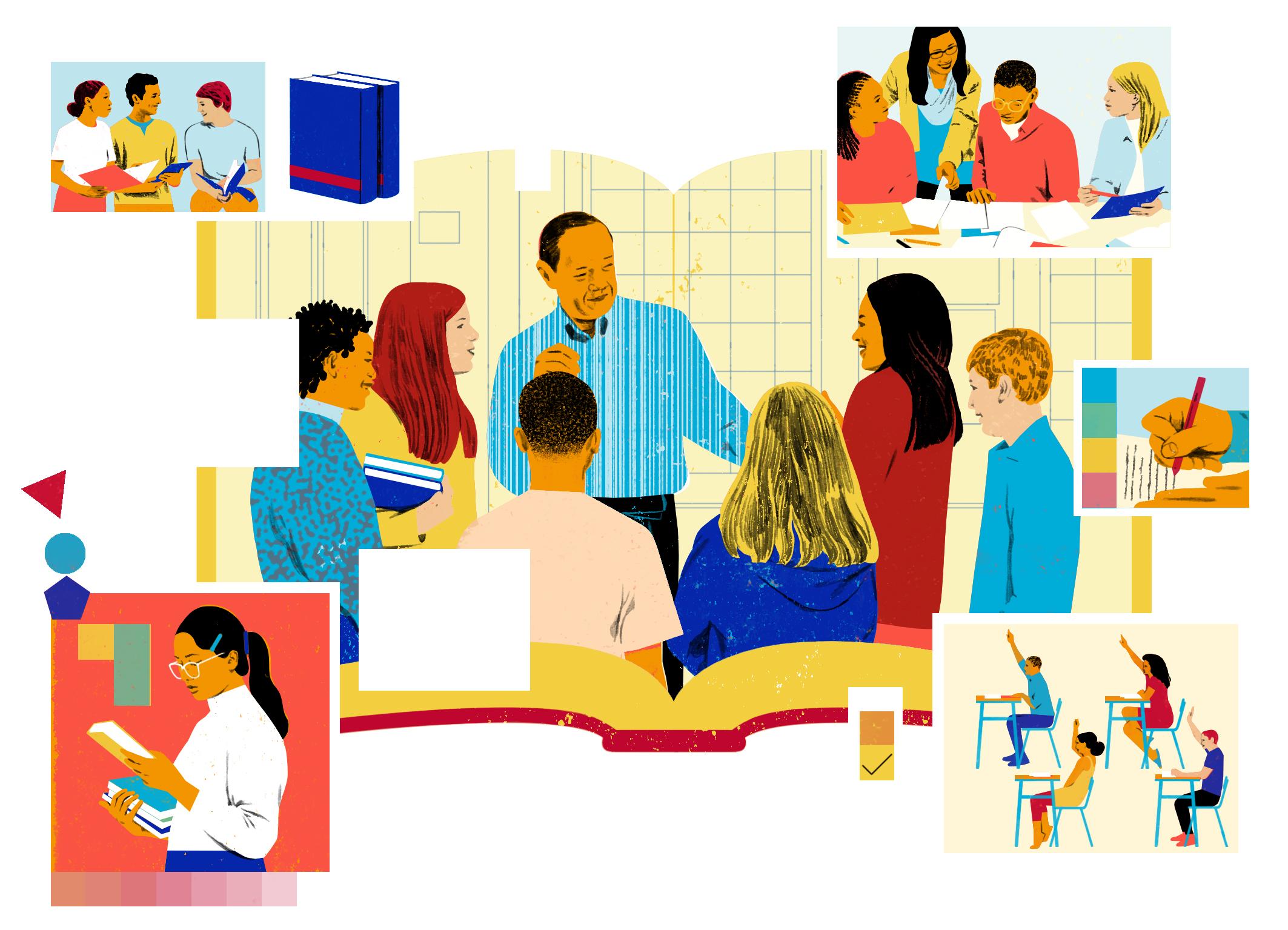
Transforming Classrooms: Effective Strategies for Training Educators in Inclusive teaching Practices
Creating inclusive classrooms is no longer just a goal—it’s a necessity in today’s diverse educational landscape. Training educators in inclusive teaching practices ensures that all students,regardless of background or ability,receive equitable opportunities to learn and thrive. In this comprehensive guide, we offer actionable strategies to transform classrooms for better accessibility, engagement, and success. Whether you’re an administrator,teacher,or education stakeholder,understanding and implementing these strategies is essential for 21st-century educational excellence.
What Are Inclusive teaching Practices?
Inclusive teaching practices refer to instructional strategies that recognize, accommodate, and cater to the unique learning needs and backgrounds of all students. These practices involve fostering a learning environment that embraces diversity—be it cultural, linguistic, cognitive, or physical.Training educators in these approaches is vital for ensuring equal participation, reducing barriers, and promoting a sense of belonging in the classroom.
- Differentiated instruction to address varying learning styles
- Culturally responsive pedagogy
- Providing accommodations for students with disabilities
- Promoting positive classroom cultures and anti-bias education
Why Invest in Educator Training for Inclusive Classrooms?
Training teachers in inclusive classroom strategies goes beyond compliance; it significantly impacts student achievement, reduces dropout rates, and boosts engagement. Here’s why investing in educator training is crucial:
- Empowers all learners: Students feel valued and understood, increasing motivation and confidence.
- Meets diverse educational needs: Adaptable teaching benefits students with varying abilities, languages, and backgrounds.
- Promotes equity and access: delivers tailored support for everyone, closing achievement gaps.
- fosters lifelong skills: Teaches collaboration,empathy,and respect—essential for society today.
Effective Strategies for Training Educators in Inclusive teaching Practices
Successfully training educators requires a blend of knowledge, skills, and practical experience. Below,we highlight proven strategies that school leaders and policymakers can implement for effective professional advancement.
1. Embed Inclusive Teaching in Professional Development Programs
- Integrate inclusive education frameworks into workshops, seminars, and ongoing teacher training.
- Offer micro-credentialing or certification in inclusive practices.
- Utilize real-life scenarios and case studies to illustrate concepts.
2. Foster Peer Collaboration and Mentorship
- Encourage teacher learning communities to share experiences and resources.
- Implement mentoring systems where experienced teachers support peers in developing inclusive methods.
- Utilize cross-grade or interdisciplinary collaboration for broader perspectives.
3. Leverage Technology and Digital Tools
- Integrate assistive technology and accessible eLearning platforms into daily practice.
- Use online courses, webinars, and resource libraries for flexible, ongoing learning.
- Adopt learning management systems (LMS) with built-in accessibility features.
4. Prioritize Reflective Practice and Feedback
- Encourage educators to self-assess and reflect on their teaching practices regularly.
- facilitate constructive, actionable feedback from peers, coaches, and students.
- Use classroom observations to identify progress and areas for improvement.
5. Celebrate and Share Success Stories
- Recognize educators who excel in implementing inclusive teaching strategies.
- Document and share case studies highlighting effective classroom transformations.
- Encourage storytelling to inspire and motivate others within the school community.
Benefits of Inclusive Teaching Practices
When educational institutions prioritize training in inclusive teaching, the positive impact is felt throughout the community:
- Enhanced academic performance among all students
- Reduced incidents of bullying and exclusion
- Greater adaptability in responding to diverse classroom needs
- Stronger sense of school community
“Inclusive education is not a destination, but a journey. Every small change contributes to creating classrooms where all students belong and thrive.”
Practical Tips for Implementing Inclusion Training
- Assess current classroom practices to identify strengths and areas for growth.
- Involve all stakeholders: Administrators, parents, and students can support the inclusive mission.
- Offer regular, hands-on workshops focusing on real challenges faced by teachers.
- Emphasize ongoing support and not just one-off training sessions.
- Curate resources: Provide toolkits, checklists, and access to up-to-date research on inclusion.
Case Study: The Power of Inclusive Professional development
Sunnydale Elementary School faced challenges meeting the needs of an increasingly diverse student population. By implementing a year-long professional development program focused on universal design for learning, differentiated instruction, and culturally responsive teaching, the school witnessed:
- Decreased student absenteeism rates by 25%
- Marked improvement in reading and math scores across all demographics
- Heightened teacher satisfaction and reduced turnover
- A more respectful, collaborative school culture
This transformation was fueled by teacher collaboration, leadership support, and a commitment to ongoing learning.
First-Hand Experience: A Teacher’s Insight
“Learning to teach inclusively was transformational for me and my students. Early in my career, I struggled to reach all learners.After receiving targeted, hands-on training in inclusive strategies, I saw students once disengaged light up and participate. Differentiation, flexible grouping, and open communication with families made a world of difference.Inclusion creates space for every child to shine.”
— Maria Lopez, Grade 5 Teacher
Conclusion: Embracing the Future of Inclusive Education
Transforming classrooms into inclusive spaces is a collective journey—one that starts with effective educator training in inclusive teaching practices. By embracing ongoing professional development, fostering a supportive culture, and utilizing technology, schools can ensure every student feels welcomed and empowered to learn.Inclusive education isn’t just about equity; it’s about harnessing the full potential of our diverse communities.The time to act is now—invest in your educators and watch your classrooms flourish.