
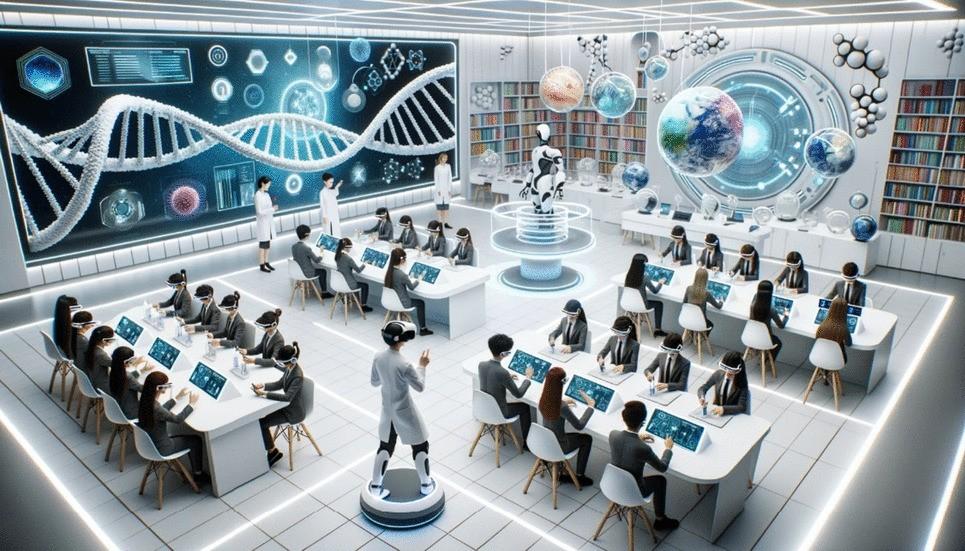
Transforming Classrooms: How Sustainable Technologies Are Shaping modern Educational Settings
As education evolves, so does our awareness of the habitat. Schools around the world are embracing sustainable technologies to not only reduce their environmental impact but also create dynamic, efficient learning environments. In this article, we’ll explore how sustainable classroom technologies are transforming modern educational settings, highlight the key benefits, showcase real-life examples, and provide actionable tips for educators who want to take their classrooms green.
Why Sustainable Technologies Matter in Education
The integration of sustainable technologies in education addresses several global challenges:
- Environmental duty: Reducing energy consumption and waste helps combat climate change.
- Cost efficiency: Energy-saving solutions translate to lower operational costs for schools.
- Student engagement: Interactive and innovative technologies foster curiosity and deeper learning.
- Preparing future leaders: Exposing students to sustainability practices nurtures eco-conscious citizens.
Key Sustainable Technologies Transforming Modern classrooms
Technological advancement isn’t merely about digital devices; sustainable classroom technology is about combining learning with eco-friendly practices. Here’s how:
1. Energy-Efficient Lighting and HVAC
- LED lighting systems: Replace traditional bulbs to use 75% less energy and last 25 times longer. Many schools combine this with automated lighting controls, reducing energy waste when rooms are empty.
- Smart HVAC systems: Sensors and programmable thermostats optimize heating and cooling, improving comfort and efficiency.
2. Renewable Energy Integration
- Solar panels: Schools harness solar energy to power buildings and even feed excess electricity back into the grid.
- Wind turbines: Especially in rural or open areas, small turbines supplement energy needs sustainably.
3. Eco-Friendly Classroom Materials and Furniture
- Recycled materials: Desks, chairs, and whiteboards made from recycled or upcycled materials lower carbon footprints.
- Non-toxic finishes: ensure healthy air quality for students and staff.
4. Digital Learning tools and Paper Reduction
- Cloud-based collaboration platforms: Google Classroom, Microsoft Teams, and other digital solutions minimize paper use.
- eTextbooks and digital libraries: Unlimited access to educational materials without printing costs or environmental waste.
5. Green Infrastructure and Sustainable Design
- Green roofs and living walls: Plants absorb CO2, offer insulation, and create calming atmospheres.
- Rainwater harvesting systems: Capture and reuse water for landscaping or sanitation, reducing water waste.
Benefits of Implementing Sustainable Classroom Technology
modern educational settings equipped with sustainable technologies enjoy a range of benefits for both students and educators:
- Reduced Carbon Footprint: Schools dramatically lower greenhouse gas emissions and resource consumption.
- Budget Savings: Energy-efficient systems and digital resources translate to long-term financial savings for educational institutions.
- Healthier Learning Environments: Improved air quality, proper lighting, and non-toxic materials bolster student wellbeing and focus.
- accessible Learning: Digital platforms bridge geographic and physical gaps,making education more inclusive.
- 21st-Century Skills: Exposure to sustainable technologies prepares students with practical knowledge for future careers.
Case studies: Schools Leading the Way in Sustainable Education
Druk White lotus School, india
This iconic Himalayan school uses solar panels, passive heating, and rainwater collection. Designed with local, sustainable materials, it thrives in an extreme environment while educating students about eco-living daily.
Green School, Bali
Internationally recognized for its bamboo architecture and self-sufficient campus, the Green School runs on a hybrid micro-hydro, solar, and biofuel energy system. students participate in sustainability projects, learning hands-on how green technology benefits their world.
California’s San rafael High School
After installing LED lighting, smart thermostats, and water-efficient fixtures, this public high school reported a 40% reduction in utility bills and encouraged students to adopt energy-saving habits at home.
first-Hand Insights: How Sustainable Technologies Change Classroom Culture
Teachers and students in sustainable classrooms ofen report:
- Higher engagement due to interactive digital technologies and multimedia tools.
- better attendance and student well-being in environments with improved air quality and natural lighting.
- Environmental stewardship as a core part of daily routines, from recycling programs to water conservation.
“Since our school invested in solar panels and green roofs, our science lessons have come alive. Students measure real-time energy output and see the direct impact of eco-friendly choices—learning has never felt more relevant!”
— Ms. T. Roberts, 5th Grade Science Teacher
Practical Tips for Bringing Sustainable Technologies into Your Classroom
Weather you’re a teacher, principal, or school district administrator, here are practical steps to make your educational environment greener:
- Start with an Eco-Audit: Assess your current classroom setup.Look for energy-intensive devices, waste production, and water use.
- Adopt Digital First: Shift to cloud-based platforms for assignments, grading, and interaction to reduce paper usage.
- Upgrade Lighting: Switch to LED fixtures and install smart controls to ensure lights aren’t left on needlessly.
- Introduce Recycling Stations: Encourage students to separate paper, plastic, and compostable waste.
- Create Living Walls: Even a classroom herb garden can improve air quality and inspire environmental curiosity.
- Pilot Green Projects: Engage students by tracking energy/water use or caring for plants that clean the air.
- Share Success Stories: Celebrate small wins, communicate impact, and let students take ownership of eco-initiatives.
Overcoming Challenges in the Shift to Sustainable Education
Transitioning to a green classroom can be daunting. Here’s how schools are overcoming common hurdles:
- Budget Limitations: Seek grants, crowdfunding, or local partnerships with green companies to offset initial costs.
- Lack of Expertise: Tap into professional development programs or online communities focused on sustainable teaching.
- Resistance to Change: Involve stakeholders early—parents, teachers, and students—and communicate the long-term benefits clearly.
the Future of Sustainable Classroom Technology
Emerging trends indicate an even greater emphasis on sustainability in education:
- AI-powered energy management to optimize resource use in real time
- Smart IoT devices for monitoring classroom environments (air quality, temperature, lighting)
- Virtual reality (VR) and augmented reality (AR) for immersive, paperless field trips and interactive projects
- Eco-curricula built around hands-on learning with green technology
Conclusion: Creating the Classrooms of Tommorow, Today
Sustainable technologies in education aren’t just a trend—they’re essential for a greener, smarter future. by embracing energy-efficient systems,digital learning,and eco-friendly materials,schools build healthier environments and nurture responsible,forward-thinking citizens.With every light switched to LED, every lesson held in a living lab, and every student inspired to think sustainably, our classrooms are transforming—and so is our world.
Ready to take the next step? Equip your classroom with sustainable technology and light the path toward a brighter, greener education for all.