
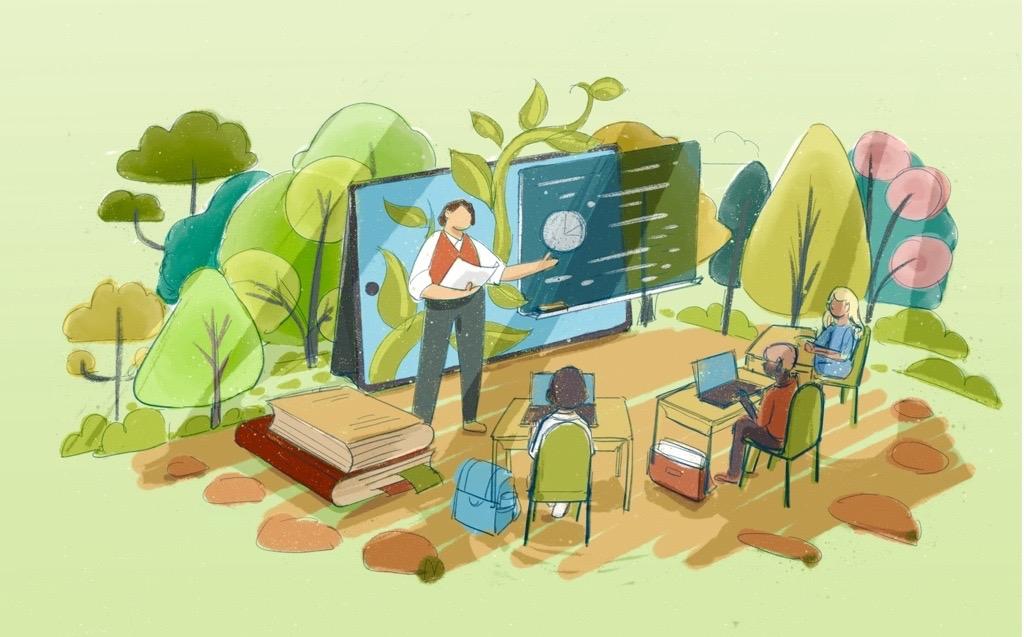
Transforming Classrooms: The Impact of Sustainable Technologies in Educational Settings
Sustainable technologies are revolutionizing the landscape of education, offering environmentally-friendly solutions that enhance learning environments and foster positive habits for future generations. As schools and institutions worldwide strive to reduce their carbon footprints and promote responsible resource usage,the implementation of green technology in classrooms is not just a trend—it’s a transformation. This article explores the far-reaching impact of sustainable technologies in educational settings, delves into real-world examples, and offers practical tips for educators eager to champion eco-friendly initiatives.
Introduction: Why Sustainable Technology Matters in Education
As climate change and environmental degradation continue to be urgent global challenges, the education sector has a unique responsibility—and opportunity—to lead the way in sustainability practices. Through the integration of sustainable technologies,schools can:
- Reduce energy consumption and operational costs
- Create healthy and productive learning environments
- Educate and inspire students to become environmental stewards
- Prepare students for a workforce increasingly shaped by sustainability initiatives
By adopting eco-friendly classroom technology,educators help build a culture of sustainability from the ground up.
the Role of Sustainable Technologies in Modern Classrooms
Sustainable classroom technologies encompass a broad range of tools and systems designed to minimize environmental impact while maximizing educational outcomes.Here are some key areas where these innovations are making a difference:
1. Energy-Efficient Lighting and HVAC Systems
- LED Lighting: Schools replacing traditional fluorescent lights wiht LED fixtures significantly lower energy usage and maintenance costs.
- Smart Thermostats & HVAC: automated climate control systems ensure optimal comfort while minimizing electricity consumption.
2. Digital Learning Materials and Cloud Storage
- Paperless Classrooms: By using tablets, e-books, and cloud-based lesson plans, schools dramatically cut paper waste and encourage sustainable digital literacy.
- Virtual Labs and Simulations: Interactive learning experiences minimize reliance on consumable resources while enhancing STEM education.
3. Solar Power and Renewable Energy Solutions
- Solar Panels installations: Many educational institutions now install solar panels to generate clean energy, powering lighting, computers, and more.
- Wind and Geothermal Systems: Supplementary renewable energy sources are increasingly used, especially in regions with ideal climate conditions.
4.Sustainable water and Waste Management
- Rainwater harvesting: schools utilize smart irrigation and rainwater collection for landscaping, science projects, and more.
- composting and Recycling Programs: Digital monitoring of recycling efforts promotes student engagement and environmental accountability.
Benefits of Integrating Sustainable Technologies in Education
Adopting sustainable technology in schools provides long-term advantages for institutions, students, and the planet. Here’s how these advancements are reshaping the learning experience:
- Reduced Environmental Impact: Schools contribute to carbon reduction goals with decreased energy, resource, and waste footprints.
- Long-Term Cost Savings: Efficient energy and water management systems lower utility bills and maintenance costs over time.
- Enhanced student Health and Wellbeing: Improved air quality, natural lighting, and proper temperature control create healthier learning environments.
- Hands-On STEM and Environmental Education: Real-time data from solar panels, recycling programs, and smart systems offer invaluable opportunities for inquiry-based STEM learning.
- Positive Community Perception: Schools committed to sustainability build a reputation as innovators and eco-leaders,attracting eco-conscious families and partners.
Case Studies: Sustainable Classroom Innovations in action
Here are some inspiring examples that illustrate the transformative potential of green technology in education:
Case Study 1: Solar-powered High School in California
At Riverside High School, the installation of solar panels not only cut energy bills by 60% but also became an integral part of the science curriculum. Students monitor energy production data, analyze seasonal variation, and propose ways to optimize output—connecting classroom theory with real-world impact.
Case Study 2: Digital-First “Green” Elementary in Finland
Helsinki Green school replaced textbooks with tablets and adopted a cloud-based administration system. By going paperless, the school saved hundreds of trees annually, reduced storage needs, and empowered students to engage in collaborative digital projects focused on sustainability.
Case Study 3: Rainwater Harvesting and Eco-Gardens in India
At EcoVidya School, a rainwater harvesting system irrigates student-planted vegetable gardens. Lessons on water conservation are paired with participation in composting and recycling challenges, making environmental stewardship a daily practice.
Practical Tips for Integrating Sustainable Technologies in Classrooms
Ready to transform your educational spaces with sustainable innovation? Here are some practical steps for educators and administrators:
- Start Small: Begin with easy-to-implement technology upgrades, like energy-efficient lighting or classroom recycling bins.
- Engage Students: Involve learners in sustainability initiatives, such as student-led recycling drives or energy monitoring projects.
- Leverage grants and Funding: Seek local and national grants for green education. Many governments and non-profits actively support sustainability in schools.
- Prioritize Professional Development: Invest in training for teachers on integrating sustainable practices and technologies into lesson planning.
- Collaborate with Community Partners: team up with local businesses, environmental groups, and renewable energy providers to sponsor and support green initiatives.
Eco-Friendly classroom Management Tips
- Set digital default settings to minimize printing
- Organize “green team” student committees
- Track and display energy and resource usage in real time
- Upcycle classroom materials and supplies
- Host sustainability workshops and guest speaker events
First-Hand Experience: Voices from the Classroom
Educators and students worldwide are embracing the shift toward sustainability.Here are a few first-hand reflections:
“Switching to cloud-based learning not only made our teaching more efficient but inspired our students to think broadly about digital sustainability. They feel empowered by seeing the real-world impact of their choices.”
— Ms. janna Lee, Middle school Teacher, Singapore
“Our school’s solar panels are more than just an energy source—they’re a learning tool. Students track our energy production, run experiments, and share results at our annual Sustainability Fair.”
— Mr. David Gutierrez, Science Coordinator, Texas
“Helping with the rainwater garden at EcoVidya made me care about conserving water at home, too. What I learn in school truly changes how my family acts.”
— Anaya, Grade 7 Student, India
Challenges and Future Opportunities
While the adoption of sustainable technologies in education is rising, challenges remain, including limited funding, insufficient training, and resistance to change. Though,increasing awareness,improved accessibility to technology,and supportive policies are helping schools worldwide overcome barriers.Looking ahead, innovations such as AI-powered energy management, Internet of Things (IoT) sensors, and modular eco-classrooms promise even greater efficiency, learning engagement, and environmental stewardship.
Conclusion: Shaping Tomorrow’s Leaders with Sustainable Technologies
The impact of sustainable technologies in educational settings extends far beyond energy savings and financial benefits—it shapes the mindset and skills of future generations. By integrating green technology in classrooms, schools empower students to make informed, responsible choices and become proactive stewards of our planet. Whether you’re an educator, administrator, parent, or student, embracing sustainability in education helps create a smarter, healthier, and more resilient world for all.
Start transforming your classroom today—and inspire a lifetime of eco-conscious leadership.