
Transforming Corporate Training: The Power of Microlearning in Employee development
In the fast-paced world of modern business,investing in employee development is essential for maintaining a competitive edge. traditional training methods, while effective to a degree, frequently enough fall short in delivering timely and engaging learning experiences. Enter microlearning—a powerful, innovative approach that is rapidly transforming corporate training paradigms. in this thorough guide, we’ll explore the essence of microlearning, its benefits for organizations, practical implementation strategies, and real-world success stories that illuminate its impact on employee development.
What Is Microlearning?
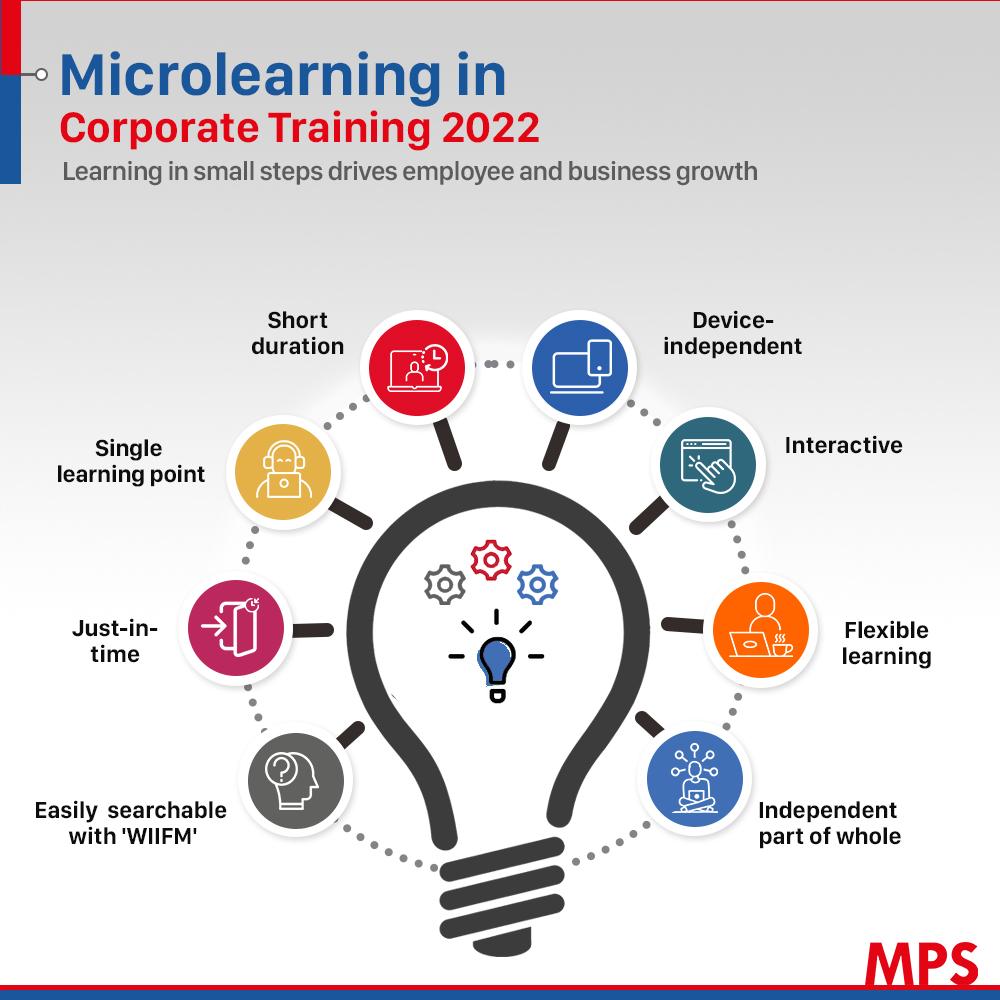
Microlearning is an educational approach that delivers content in small, easily digestible segments. Unlike lengthy seminars or voluminous courses, microlearning modules focus on single learning objectives and are typically designed to be completed within minutes. This method harnesses technology, engaging employees through videos, interactive quizzes, infographics, and mobile-friendly content.
- short, focused lessons: Designed for quick consumption
- Accessible anytime, anywhere: Perfect for mobile and remote teams
- Highly engaging and interactive: Boosts retention and request
The Rise of Microlearning in Corporate Training
The shift towards microlearning in corporate training isn’t just a trend—it’s a strategic response to evolving workplace needs. As employee attention spans shrink and workloads increase, traditional training models struggle to keep up.Microlearning directly addresses these challenges by providing targeted, flexible learning that fits into busy schedules.
- Agility: Delivers training on-demand, adapting to organizational and employee needs
- Cost-effectiveness: Reduces training overhead and resource waste
- Scalability: Easily deploys updates or new modules across departments and locations
Key benefits of Microlearning for employee Development
Microlearning is making waves in employee development circles for several compelling reasons. Here’s why top organizations are embracing this approach:
1. Improved Knowledge Retention
- Short, focused modules prevent cognitive overload
- Immediate application reinforces learning
- Repetition through spaced intervals boosts long-term retention
2. Enhanced Engagement
- interactive formats (videos, quizzes, gamification) captivate learners
- Employees can choose when and how they engage with content
- visual and mobile-friendly materials increase accessibility and motivation
3. Flexibility and Accessibility
- Available on multiple devices, perfect for remote or hybrid workforces
- Easy to fit into daily routines, encouraging continuous learning
- Accessible to employees with varied schedules and locations
4. Cost and Time Efficiency
- minimizes downtime by condensing learning into short bursts
- Lowers production and delivery costs compared to traditional training
- Reduces employee time away from crucial work tasks
How to Implement Microlearning in Your Corporate Training Program
Transitioning to microlearning can be seamless with the right strategy. Here are practical tips for successfully incorporating microlearning into your employee development initiatives:
Step 1: Identify Learning Objectives
- Pinpoint essential skills or knowledge gaps
- Break broader topics into specific, single-objective modules
Step 2: Choose the Best Delivery methods
- Utilize video, infographics, podcasts, and interactive quizzes
- Leverage eLearning platforms or mobile apps for easy access
Step 3: Design Engaging Content
- keep modules focused and concise (3-5 minutes)
- Incorporate storytelling, real-life scenarios, and gamification elements
- Ensure content is visually appealing and easy to navigate
Step 4: monitor and Optimize
- Collect feedback through surveys or analytics
- Track completion rates and performance improvements
- Iterate modules based on employee input and organizational goals
Case Studies: Microlearning Driving Real-World Success
Case Study 1: Enhancing Onboarding at a Global Tech Firm
A leading technology company revamped its new hire onboarding by replacing dense training manuals with bite-sized video modules. Completion rates soared—employees finished onboarding in half the time, while retention of key policies and procedures increased by 40%. The flexible, on-demand format was especially beneficial for remote team members across different time zones.
Case Study 2: Upskilling Customer Service Teams
A major retailer introduced microlearning modules to upskill its customer service staff. Short, scenario-based videos and interactive assessments delivered weekly ensured employees always felt prepared for challenging customer interactions.The result? A 30% reduction in customer complaints and a measurable increase in staff confidence and satisfaction.
First-Hand Experience: Voices from the Workforce
“Microlearning has made training something I look forward to rather than a chore. I can quickly pick up new skills without taking time away from my work, and the interactive modules keep me engaged.” — Sarah, HR Specialist
“As a manager, I appreciate how microlearning keeps my team up-to-date on product knowledge with minimal disruption to our schedule. the analytics tools also help me see who might need extra support.” — John, Sales Team Leader
Best Practices and Pitfalls to Avoid
Best Practices
- Keep modules short: 3-5 minutes is ideal for maximum engagement
- Mix formats: Alternate between videos, infographics, audio clips, and quizzes
- Embed measurable goals: Integrate assessment tools for tracking progress
- Encourage feedback: welcome suggestions for continuous betterment
Pitfalls to Avoid
- Overloading modules with too much information
- Neglecting the user experience (slow platforms, poor design)
- Failing to connect microlearning to larger development strategies
- Ignoring analytics and feedback
Conclusion: The Future of Corporate Training Is Microlearning
Microlearning is redefining how organizations approach employee development, making training more efficient, engaging, and effective. By breaking knowledge into manageable chunks, leveraging technology, and promoting continuous learning, companies can drive real results—higher retention, better performance, and a more knowledgeable workforce.
Whether you’re managing a global enterprise or a small startup,embracing microlearning can give your team the skills and confidence they need to thrive. Ready to transform your corporate training program? Start small, iterate often, and watch your employees grow.
Ready to Get Started?
Unlock the full potential of microlearning in employee development. Explore leading eLearning platforms, experiment with engaging formats, and foster a culture of continuous improvement in your association today.