
Transforming Education: How Wearable Technologies Are Shaping the Classroom of Tomorrow
Education is experiencing a digital revolution. Technologies that were once a figment of science fiction are now reshaping how teachers teach and students learn. Among the most promising advancements is the rise of wearable technologies in education. From smartwatches and fitness trackers to mixed reality headsets, these devices are poised to create a dynamic, personalized, and more engaging classroom habitat.In this thorough guide, we’ll explore how wearable technologies are transforming education, their benefits, practical implementation tips, and inspiring case studies that highlight the classroom of tomorrow.
What Are Wearable Technologies in Education?
Wearable technologies refer to electronic devices that are worn on the body and designed to collect data, provide feedback, and enhance interactivity. Educational wearables can include:
- Smartwatches: Devices that track time, activity, and health metrics, and can integrate wiht classroom applications.
- Fitness Trackers: Bands that monitor steps, heart rate, and sleep patterns, promoting student wellness.
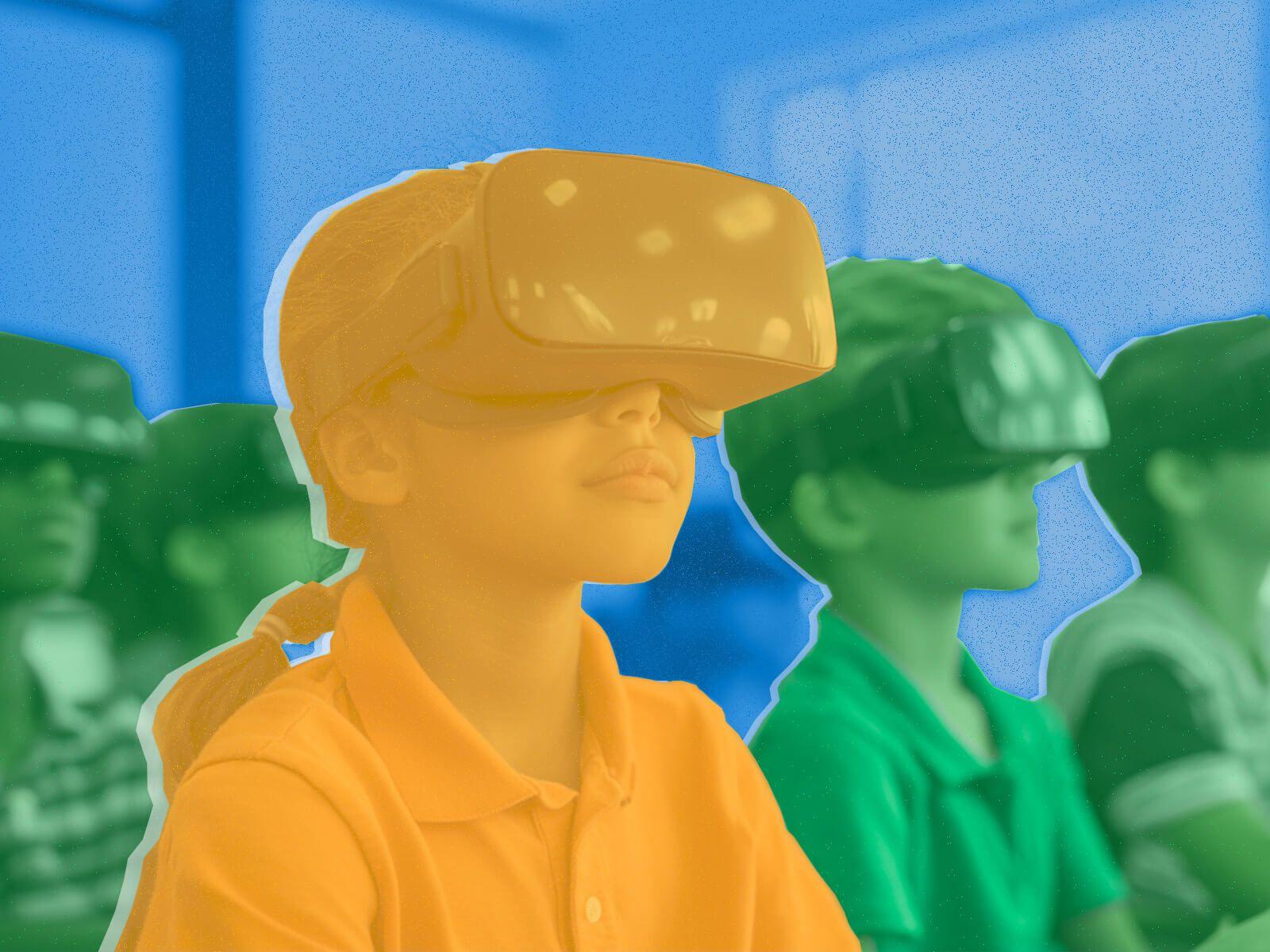
- Virtual Reality (VR) Headsets: Gear that immerses students in interactive, hands-on learning experiences.
- Augmented Reality (AR) Glasses: eyewear that overlays digital facts onto the physical environment,enriching lessons.
- Smart Clothing and Biosensors: Wearables with embedded sensors for movement, posture, and physiological data.
These devices enable real-time data collection, provide instant feedback, and connect students and educators to a global network of resources. As a result, wearable technologies in the classroom are sparking innovations that can foster deeper learning, boost engagement, and support holistic growth.
Key Benefits of Wearable Technologies in the Classroom
Why are schools and universities increasingly investing in wearable tech? Here are the standout advantages:
1. Enhanced engagement and Motivation
- immersive Learning experiences: VR and AR wearables transport students to ancient sites,inside molecules,or even to outer space,making lessons lively and memorable.
- Gamification: Smartwatches and trackers can support educational games and challenges that reward progress, sparking healthy competition and engagement.
2. Personalized Learning Paths
- Real-Time Data: Wearables collect and analyze students’ performance, learning styles, and progress, letting teachers customize instruction.
- Adaptive Feedback: Immediate feedback helps students self-correct, build confidence, and take ownership of learning.
3.supporting Student Health and wellness
- Physical Activity Tracking: Fitness trackers encourage movement and healthy habits, reducing sedentary behavior in classrooms.
- Mental Well-being: Wearables can monitor stress levels, sleep patterns, and other wellness indicators, aiding early intervention.
4. facilitating Collaboration and Dialog
- Live Interaction: AR glasses and smart devices enable students to work together, share ideas, and solve problems in real time.
- Remote Learning: Wearables break down geographic barriers, connecting learners globally for collaborative projects.
5. Inclusive Education for All Learners
- Accessibility: Wearables, like hearing aids or speech-to-text devices, empower students with disabilities.
- Global Design: Tech-enhanced classrooms can better accommodate diverse learning needs.
Case Studies: Wearable Technologies in Action
Learn how innovative schools and organizations are using wearable technologies to revolutionize teaching and learning.
Case Study 1: real-World Science at the American Museum of Natural History
The American Museum of Natural History partnered with local schools to supply VR headsets, allowing students to virtually explore paleontological digs. Participants reported substantially higher engagement and deeper understanding of scientific concepts than traditional textbook-based lessons. Teachers leveraged the platform’s analytics to tailor follow-up discussions and assessments.
Case Study 2: Fitness Trackers Boost Student Activity in UK Schools
Several UK primary schools introduced fitness trackers to promote physical activity. Students received daily step goals and participated in class-wide fitness challenges. Over two terms, overall physical activity levels rose by 30%, while educators noted improvements in attention and classroom behavior linked to increased movement.
Case Study 3: AR Glasses for Inclusive Learning in Japan
A Tokyo school piloted AR glasses for students with hearing impairments. The devices provided real-time captions and sign language overlays during lessons. Not only did communication and comprehension improve for hearing-impaired students, but non-disabled peers became more aware of inclusive practices, fostering a supportive classroom climate.
Practical Tips for Implementing Wearable Technologies in the Classroom
- Evaluate Needs and Objectives: Identify the learning goals most enhanced by wearables, such as engagement, health, or accessibility.
- Select the Right Devices: Assess hardware compatibility, ease of use, and safety features. Consider age appropriateness and curriculum alignment.
- Ensure Data Privacy and Security: Prioritize student privacy and inform parents about data collection.Adhere to local and international data protection laws.
- Train Educators: Provide professional development so teachers feel confident using wearables in lessons and troubleshooting technical issues.
- Start Small and Scale Up: Conduct pilot programs in select classes to gather feedback before expanding school-wide implementation.
- Involve Stakeholders: Engage students, parents, and administrators throughout the process to secure buy-in and maximize impact.
Challenges and Considerations
While the benefits of wearable technologies in education are clear, schools shoudl be mindful of potential challenges:
- Cost and Equity: Not every school can afford wearables for all students. Seek grant opportunities and community partnerships to offset costs.
- Learning Curve: Some educators and learners may take time to adjust to new devices. Patience and ongoing support are key.
- Cybersecurity Risks: Protecting student data is paramount—choose devices with robust security protocols.
- Distraction Potential: Manage how and when wearables are used to ensure they support, not distract from, learning.
First-Hand Perspective: Teachers Share Their Experience
“our students are more curious and collaborative since we started using VR headsets in science classes. They retain more information and are excited to come to school.Wearables have made my role as a facilitator much easier, allowing me to adapt quickly to what students need in the moment.”
— Ms. R. Jenkins, Middle School Science Teacher
“Fitness trackers have turned physical education into a fun data-driven experience. Students love seeing their progress, and the data helps me support those who need extra encouragement.”
— Mr. T. Alvarez,Physical Education Instructor
The Future of Education: What’s Next for Wearable Technologies?
Wearable technologies promise to keep revolutionizing education,not only in classrooms but through blended and remote learning environments. Here’s what’s on the horizon:
- Artificial Intelligence Integration: AI-powered wearables will better personalize learning experiences and automate progress tracking.
- Biometric-Based Emotional learning: Devices will detect stress levels and adapt lessons to support emotional wellbeing.
- Global Collaboration: Virtual and augmented realities will unite students from around the world into immersive, shared learning spaces.
- Sustainability: Eco-friendly wearables are set to reduce electronic waste while supporting digital literacy for greener classrooms.
Conclusion: Embracing the Classroom of Tomorrow
Wearable technologies are opening a new frontier for transforming education. When integrated thoughtfully, they can personalize learning, promote health, drive engagement, and foster inclusivity. As schools continue to adopt these innovations, students will be better prepared for the challenges and opportunities of the digital age. By understanding the benefits, addressing the challenges, and drawing inspiration from real-world cases, educators and administrators can confidently step into the classroom of tomorrow—where technology and learning work hand in hand.
Ready to bring wearable technologies into your classroom? Start small, plan ahead, and watch as your students discover new ways to connect, collaborate, and excel!