
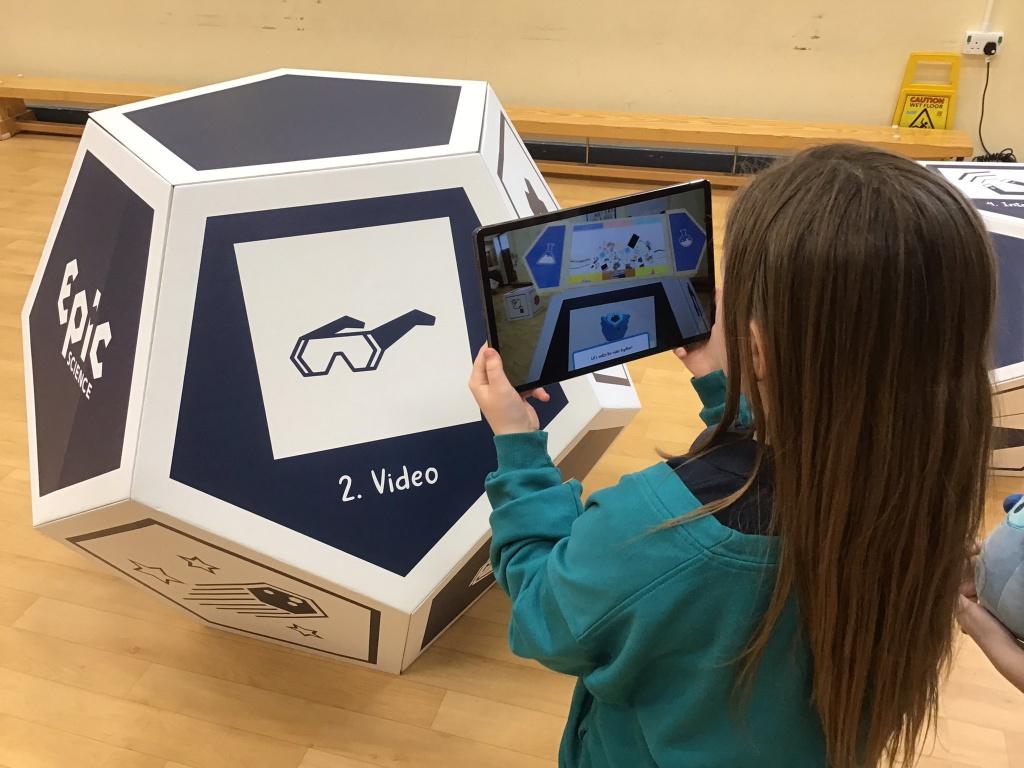
Transforming education: Real Case Studies of Successful VR/AR Implementations in Schools
Virtual Reality (VR) and Augmented Reality (AR) are no longer just futuristic buzzwords—they’re actively reshaping the educational landscape. From immersive history lessons to interactive science labs, schools worldwide are integrating these transformative technologies to enhance teaching, spark curiosity, and prepare students for a digitally-driven future. In this extensive guide, we’ll dive deep into real case studies of successful VR/AR implementations in schools, uncover the benefits of immersive learning, and offer practical insights for educators looking to bring the digital revolution to their classrooms.
Why VR and AR in Education? (A Quick Primer)
Before exploring specific school case studies, it’s important to understand the rationale behind using VR and AR in the classroom. These immersive technologies enable:
- Enhanced engagement: Students actively interact with lessons, making learning fun and memorable.
- Experiential learning: VR/AR provides hands-on experiences, especially for subjects that benefit from visualization.
- Accessibility: Students can explore distant places, ancient events, or complex concepts, regardless of location or available resources.
- Personalization: Lessons can adapt to individual needs and learning speeds,supporting diverse learners.
Benefits of VR/AR Implementations in Schools
- Boosted retention rates: Studies show that immersive learning increases information retention compared to customary methods.
- Collaboration and communication: AR/VR projects frequently enough require students to cooperate, enhancing teamwork and social skills.
- Simplified complex concepts: Visualizing abstract ideas (like cells dividing or molecules interacting) helps students grasp hard-to-understand topics.
- Safe simulation environments: Virtual labs or field trips let students safely explore scenarios that are dangerous, expensive, or logistically challenging.
- Inclusivity: Immersive tools support students with learning differences by offering adaptable, multi-sensory experiences.
Real-World Case Studies of VR/AR in Schools
1. Fairmont Prep Academy, California, USA
Fairmont Prep Academy has pioneered VR-driven science education. Through strategic partnerships with VR content creators, the school’s biology and chemistry students frequently participate in virtual experiments—from dissecting digital frogs to witnessing chemical reactions at the molecular level.
- Outcome: Student engagement doubled, with improved scores in standardized science assessments.
- First-hand experience: “Doing ‘hands-on’ virtual labs made me love science. I understood concepts much faster and enjoyed every lesson!” —Olivia R., Grade 10 student.
2. st. Paul’s Primary School, London, UK
St. Paul’s Primary School introduced AR history lessons using tablets. By scanning printed materials,students watched monuments,historical figures,and events spring to life in 3D.
- Outcome: History classes saw a 30% jump in voluntary participation and a significant reduction in absenteeism.
- Teacher’s insight: “Our students felt like time travelers. Retention soared and students started asking deeper questions.” —Ms. Lucy Barrett, History Teacher
3. Maharishi School, Iowa, USA
At Maharishi School, VR is central in geometry and art classes. Students create virtual sculptures and manipulate spatial forms in 3D, fostering creative thinking and spatial intelligence.
- Outcome: Creativity scores improved across the board,and students produced award-winning digital art projects.
- First-hand experience: “Seeing my design in virtual space helped me understand shapes and structure so much better.” —Tariq I., Grade 9
4. korean International School,Seoul,South Korea
This innovative school uses AR textbooks in language learning. When students hover devices over pages,native speakers pronounce words,and interactive games reinforce vocabulary.
- Outcome: Language proficiency increased by 25% in just one semester, especially among shy and introverted students.
5. St. Vincent de Paul Catholic School,Indiana,USA
In this school,STEM subjects leverage both VR and AR. Math classes feature interactive geometry and algebra modules,while VR headsets provide virtual field trips for science exploration.
- Outcome: Math assessment scores improved by 18%, and science class engagement reached record highs.
First-Hand Experiences: Voices from the Classroom
Student, Maharishi school: “VR brought art and geometry to life. We collaborated on virtual projects and learned to see from different perspectives.”
Teacher, Fairmont Prep Academy: “With VR, I can reach students who didn’t enjoy traditional science. It’s made teaching more impactful and rewarding.”
Practical tips for Implementing VR/AR in Schools
- Start small: Integrate VR/AR in one subject or lesson to gauge student response and optimize resources.
- Choose age-appropriate platforms: Select tools that align with your students’ maturity and curriculum needs.
- Focus on training: Train teachers so they feel confident leading immersive lessons and troubleshooting technical issues.
- Ensure accessibility: Provide alternative materials for students with physical, sensory, or cognitive needs.
- Monitor and evaluate: Regularly assess the impact using feedback forms and performance metrics.
- Budget wisely: Explore grants, partnerships, or community support to make initial investments more feasible.
Challenges and Solutions
While VR/AR offers immense promise, schools may encounter hurdles such as budget constraints, device management, technical issues, or resistance to change. Successful implementations shared key strategies:
- Phased adoption: Gradually roll out technology to build teacher and student comfort.
- Community engagement: Involving parents, local businesses, or tech partners boosted funding and acceptance.
- Dedicated support teams: Appointing tech champions among staff minimized downtime and enhanced teacher confidence.
Looking Ahead: The Future of VR/AR in Education
As hardware becomes more affordable and software ecosystems flourish, the future of VR/AR in education looks brighter than ever. schools embracing immersive learning prepare students for emerging careers in technology, engineering, healthcare, and beyond.
Key trends include:
- Cross-curricular integration: VR/AR will expand beyond STEM to humanities, languages, and vocational subjects.
- Cloud-based experiences: Remote and hybrid learning environments will leverage cloud-powered VR/AR, making immersive learning accessible globally.
- Data-driven personalization: AI and analytics will tailor VR/AR lessons to individual strengths and needs.
Conclusion: Igniting Curiosity & Success with VR/AR in Schools
The real-world case studies featured here prove that VR and AR are much more than trendy educational gimmicks—they’re catalysts for deeper understanding, inclusivity, and student achievement. By starting small, investing in professional development, and leveraging practical tips, schools can transform learning for the digital age. VR/AR fosters a spirit of exploration and collaboration, empowering students for careers and challenges we’ve yet to imagine.
Ready to revolutionize your classroom? Explore immersive lesson plans, partner with technology providers, and share your own success stories. The future of education is immersive, interactive, and truly boundless.
keywords: VR in education, AR in schools, immersive learning, virtual reality classroom, augmented reality school case study, technology in education, successful VR implementations, benefits of VR/AR, classroom innovation.