
Transforming education: Top Case Studies of Successful VR/AR Implementations in Schools
In today’s rapidly evolving tech-driven educational landscape, Virtual Reality (VR) and Augmented Reality (AR) are paving the way for interactive and immersive learning experiences. This article delves deep into the remarkable impact of VR and AR in education, showcases real-life case studies from innovative schools worldwide, discusses the key benefits, offers practical tips, and shares first-hand experiences to guide educators and administrators in adopting these transformative technologies.
Why VR/AR in Education Matters
Integrating VR and AR in the classroom goes beyond enhancing engagement; it revolutionizes the way students learn, comprehend complex concepts, and collaborate. VR/AR in schools has become a game-changer for STEM disciplines, historical studies, arts, language learning, and more.
- Virtual Reality in Education: Offers fully immersive simulations—students can travel through time, visit distant planets, or conduct experiments in a safe, virtual lab.
- Augmented Reality in education: enhances the real world with digital overlays, making abstract content tangible and interactive.
As schools explore these technologies, it’s vital to understand not only the possibilities but also proven success stories and strategies for effective VR/AR implementation.
Key Benefits of VR/AR for Students and Teachers
transforming learning environments with VR/AR unlocks invaluable advantages:
- Enhanced Engagement and Retention: Interactive 3D experiences make lessons more memorable.
- Personalized Learning: Tailors content to individual student needs and paces.
- Safe experimentation: Allows lab work, exploration, and simulations without risk.
- Global Connectivity: Connects students to global cultures, languages, and perspectives within the classroom.
- Improved Collaboration: Fosters group activities and teamwork through shared virtual experiences.
- Accessibility: Makes abstract concepts more visual and accessible for learners with different needs.
Top Case Studies of Successful VR/AR Implementations in Schools
Explore groundbreaking case studies from schools embracing VR and AR—each example demonstrates unique approaches and measurable outcomes,proving the transformative power of these technologies in education.
1. Inspiring STEM Learning at Washington Leadership Academy (USA)
- Background: Washington Leadership Academy in Washington, D.C., launched a VR lab in 2016 to take programming and science classes to the next level.
- Implementation: Students use Oculus Rift headsets to build virtual worlds and conduct science experiments—such as exploring DNA or simulating chemical reactions—in a virtual surroundings.
- Results: Increased engagement and STEM achievement, with students reporting a 35% boost in motivation and comprehension compared to conventional lessons.
- First-hand Experience: “VR lets me see concepts I used to only read about—now I understand them much better,” shares one 10th-grade student.
2. Revolutionizing History Lessons at Aalborg University (Denmark)
- Background: High school students collaborated with the university to reconstruct ancient Roman cities using VR and AR platforms.
- Implementation: Learners walk through virtual reconstructions of ancient sites, interact with digital artifacts, and even talk to AI-powered historical figures.
- Results: History grades improved by 28%. Students showed deepened understanding and critical thinking skills when analyzing historical contexts.
- Educator Reflection: “VR provides a window into history. It’s no longer just dates and facts—it’s living, tangible experience,” says a history teacher.
3. Creating inclusive Classrooms at Blackford School (UK)
- Background: Blackford School focused on leveraging AR for inclusive education, especially for students with special educational needs.
- Implementation: Teachers use AR apps to visualize reading materials, mathematics equations, and assist in interaction for non-verbal students.
- Results: significant improvements in reading fluency and math scores—over 40% of students showed measurable progress within one semester.
- parent Testimony: “AR has made learning fun and accessible for my child—he no longer feels left behind, but genuinely excited to participate.”
4. Global Learning at Taipei American School (Taiwan)
- Background: Taipei American School wanted to connect students with global cultures through immersive language lessons.
- Implementation: Students practice Mandarin, Spanish, and French in VR settings simulating marketplaces, travel hubs, and classrooms in different countries.
- Results: Language proficiency and conversational abilities improved dramatically, with a 22% increase in fluency assessment results.
- Student Quote: “Practicing mandarin in a virtual Beijing market made me feel like I was really there. I now speak with more confidence!”
5. Eco-Exploration at The Green School (Bali)
- Background: The green School in Bali used AR to teach environmental science and global sustainability.
- Implementation: AR overlays on campus showcase the school’s eco-friendly architecture, biodiversity, and renewable energy systems.
- Results: Students demonstrate long-term stewardship and a 90% retention rate of sustainability topics taught via AR compared to conventional instruction.
- First-hand Experience: “When I use AR to see how rainwater is harvested, I’m inspired to think proactively about our planet,” shares a student leader.
Practical Tips for Implementing VR/AR in Schools
Wondering how to implement VR/AR in your classroom or school? Here are actionable steps and tips from educators and experts:
- Start Small: Invest in affordable VR/AR apps and hardware before scaling up.
- Train the Teachers: Professional growth is key—conduct regular workshops for educators.
- tie Content to Curriculum: align VR/AR activities with learning goals and subjects.
- Foster Collaboration: Encourage group projects and peer learning in immersive environments.
- Monitor Usage and Results: Use data to assess impact, tweak approaches, and celebrate successes.
- Engage Parents: host demo days to show parents the value and safety of VR/AR technology.
- Ensure Accessibility: Choose tools with adjustable settings for diverse learners,including those with disabilities.
Ready-to-use platforms like Google Expeditions, zSpace, and Tilt Brush make it easier than ever for schools to integrate immersive technology without extensive setup.
Challenges and Solutions in Adopting VR/AR in Education
While VR and AR are promising, schools may face common hurdles:
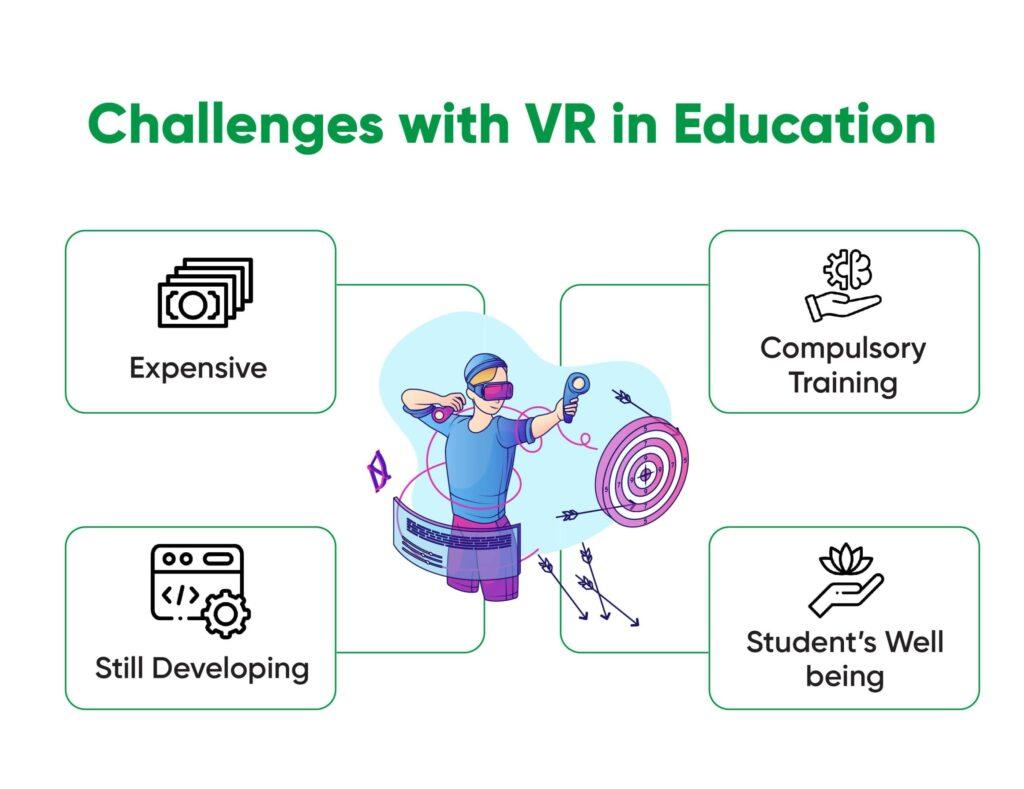
- Budget constraints—solution: start with free/low-cost apps and seek grants or partnerships.
- Teacher hesitation—solution: offer ongoing support and share success stories to inspire confidence.
- Technical setup—solution: designate tech champions and pilot programs to refine processes.
- Student safety—solution: establish clear guidelines for device use and online safety.
Conclusion: The Future of VR/AR in schools
The case studies showcased above highlight the boundless potential of VR/AR in education. From increasing engagement in STEM subjects to empowering inclusive classrooms and fostering global connections, these technologies are transforming the way teachers teach and students learn.
As schools continue to embrace immersive tech,educators must focus on thoughtful implementation,ongoing training,and continuous feedback. With proven results and growing accessibility, now is the time to unlock the full power of VR and AR for every learner.
Ready to transform your school? Explore case studies, collaborate with innovators, and take the leap into the future of interactive education.
For more resources, tips, and the latest trends in educational technology—including VR/AR implementations—subscribe to our newsletter or connect with our educator community below.