
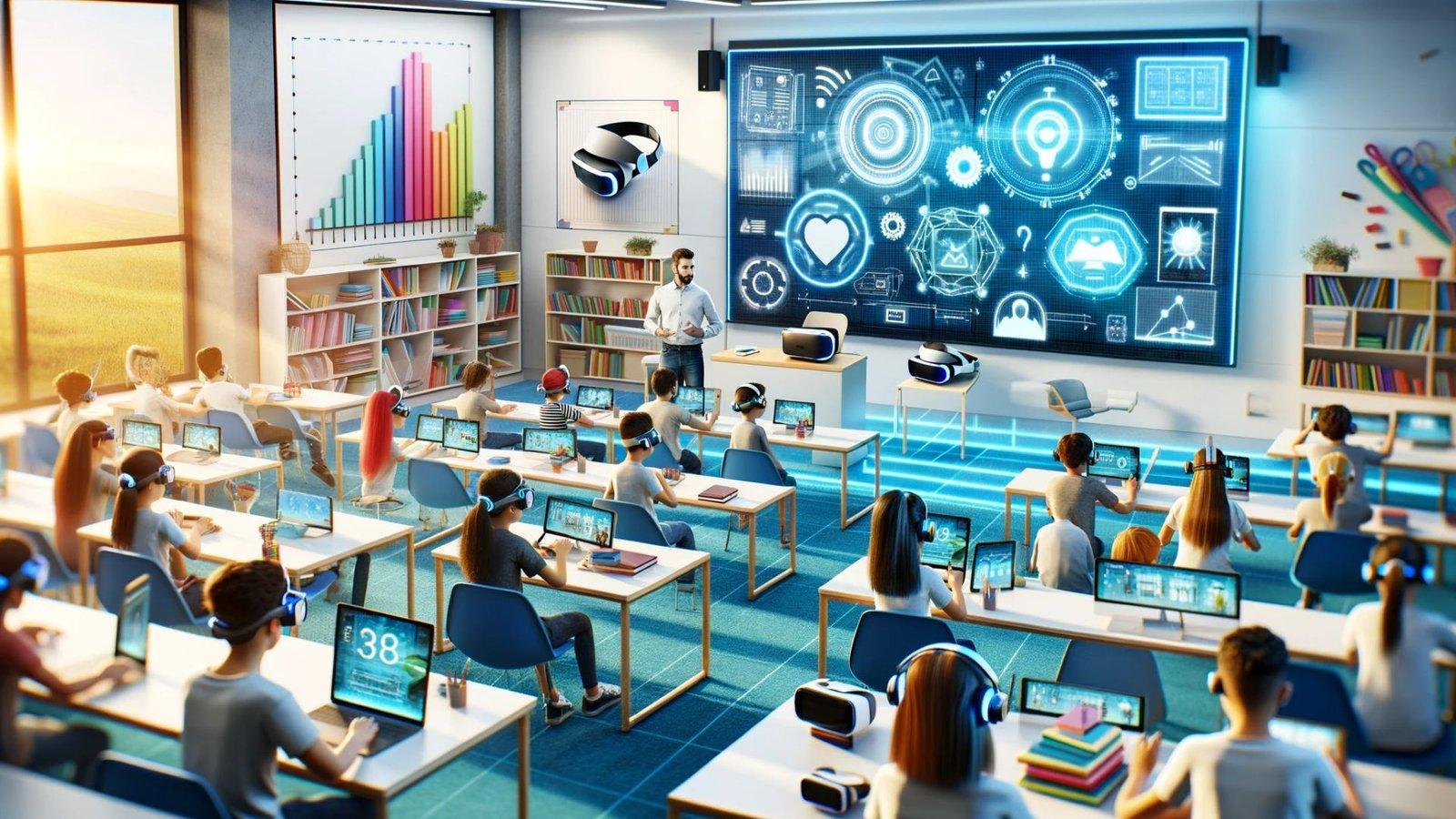
Transforming Education: Top Sustainable Technologies Shaping Modern Classrooms
Education is evolving rapidly, and sustainable technologies are at the forefront of this change. Today’s modern classrooms are embracing green, efficient, and innovative solutions that make learning more engaging, eco-friendly, and accessible. In this comprehensive guide, we’ll explore how sustainable technologies are transforming education, highlight their benefits, and provide practical insights for schools and educators seeking too create a greener learning environment.
Why Sustainable Technologies Matter in Education
Sustainability is no longer an option—it’s an imperative. As schools strive to reduce their environmental footprint, the integration of sustainable technologies in education plays a critical role. These innovations not only help conserve resources but also foster an awareness of environmental issues among students, preparing them to lead in an eco-conscious future.
- Environmental Impact: Reducing energy, paper waste, and carbon emissions.
- Financial Savings: Lower operational costs through energy-efficient solutions.
- Student Engagement: Interactive and digitized learning experiences.
- Future-ready Skills: Exposure to digital and green technologies.
Top Sustainable Technologies Revolutionizing Modern Classrooms
Let’s dive into the leading sustainable technologies that are reshaping the educational landscape, offering cleaner, smarter, and more efficient solutions for students and educators.
1. Solar-Powered Classrooms
Harnessing solar energy is an increasingly popular choice for schools worldwide. Solar panels can power entire classrooms, providing clean, renewable energy that drastically reduces electricity costs and supports eco-friendly learning spaces.
- Decreases dependence on traditional power sources.
- Hands-on learning wiht real-time sustainability projects.
- Long-term financial savings for educational institutions.
2. Digital learning Platforms and eBooks
Digital resources minimize paper usage, amplify learning opportunities, and enable remote education. Modern platforms offer interactive textbooks, collaborative tools, and adaptive learning systems—all accessible from energy-efficient devices.
- Reduces paper waste and printing costs dramatically.
- supports personalized learning journeys for each student.
- Facilitates remote, hybrid, and flipped classroom models.
3. Energy-Efficient Smart Devices
From eco-friendly tablets to low-power laptops, smart devices are a mainstay in modern education. Manufacturers now prioritize materials that can be recycled or reused, further boosting their sustainability credentials.
- Promotes BYOD (Bring your Own Device) policies for reduced infrastructure needs.
- Encourages responsible device use and recycling habits.
- Optimized for low energy consumption and longer lifespans.
4. Cloud-Based Management Systems
Cloud technology streamlines administration and learning processes, allowing schools to move away from energy-intensive local servers and paper documentation.Moreover, cloud storage supports collaboration and data protection with minimal resources.
- Facilitates digital assignments, feedback, and data management.
- Cuts back on paper, ink, and other office supplies.
- Accessible from anywhere, supporting continuity of education.
5. Clever Lighting and HVAC Systems
Smart lighting, occupancy sensors, and programmable thermostats ensure that classrooms use only the energy they need. These IoT-powered systems adjust based on activity and daylight, reducing wasted electricity and creating healthier learning environments.
- Maintains optimal temperature and lighting for student comfort.
- Critically important reduction in utility bills.
- Supports healthy air quality with smart ventilation.
6. Virtual and Augmented Reality (VR & AR)
VR and AR provide immersive, interactive lessons without additional physical resources. This approach allows students to explore subjects ranging from science to history in engaging virtual environments, reducing the need for costly, single-use educational materials.
- Reduces material consumption (models,maps,field trips).
- Engages students with hands-on digital experiences.
- Enables remote participation and global collaboration.
Benefits of Adopting Sustainable Classroom Technologies
Switching to sustainable technologies brings measurable positive impacts for schools, students, and communities at large. Here are some noteworthy advantages:
- healthier Learning Spaces: Improved air quality and natural lighting enhance student concentration and well-being.
- Lower Environmental Footprint: Reduction in resource use and waste generation preserves ecosystems.
- Budget Efficiency: Sustainable tech lowers utility and maintenance costs, channeling resources back into educational programs.
- Future-Oriented Education: Students gain valuable experience with digital and green innovations that are vital for tomorrow’s workforce.
Case Studies: sustainable Technologies in Action
Case Study 1: Solar Schools Initiative – California,USA
The “Solar Schools Initiative” saw hundreds of californian schools install solar panels,resulting in:
- Annual reductions of over 6,000 tons of CO2 emissions.
- Major savings redirected to scholarships and enrichment programs.
- Project-based learning—students monitored energy production and analyzed real-world data.
Case Study 2: digital Learning Expansion – Finland
Finland has adopted nationwide digital platforms for textbooks,homework,and student progress tracking. This shift led to:
- Elimination of millions of printed textbooks annually.
- Increased engagement through adaptive learning modules.
- Enhanced sustainability consciousness among students and staff.
Practical Tips for Schools Implementing Sustainable Tech
Ready to green your classroom? here are some actionable steps for integrating sustainable technologies in your school:
- Start Small: Prioritize easy wins, such as switching to LED lighting and introducing digital assignments.
- Collaborate: Involve students in sustainability projects and decision-making.
- Measure: Track energy usage, waste reduction, and student engagement to assess impact.
- Invest in Training: provide professional advancement for staff on new technologies and eco-friendly practices.
- Seek Partnerships: Work with local governments and non-profits for grants and resources.
First-Hand Experiences: Teachers and Students Share
Ms. Avery,Science Teacher: “Our solar-powered classroom not only saves money,but also inspires students to think about option energy in their daily lives. They’re excited to analyze our solar production and brainstorm other ways to make our school green.”
Raj, Student Leader: “Switching to tablets and eBooks was a game changer for our class.It’s easier to organize notes, and I love how we can access lessons from anywhere. Plus, it feels great to know we’re helping the planet.”
Conclusion: Building Green and Inspiring Minds
Sustainable technologies are transforming modern classrooms into hubs of innovation, duty, and environmental stewardship. From solar panels and digital platforms to smart devices and IoT systems, today’s schools now have the tools to deliver world-class education while protecting the planet. By adopting sustainable practices, educators not only enhance learning experiences but also instill a lifelong commitment to sustainability among students. The future belongs to classrooms that are as green as they are smart—let’s make every lesson count for both our students and our world.
Ready to bring sustainable technology to your classroom? Share your experiences and tips below, and let’s build the future of education together!