
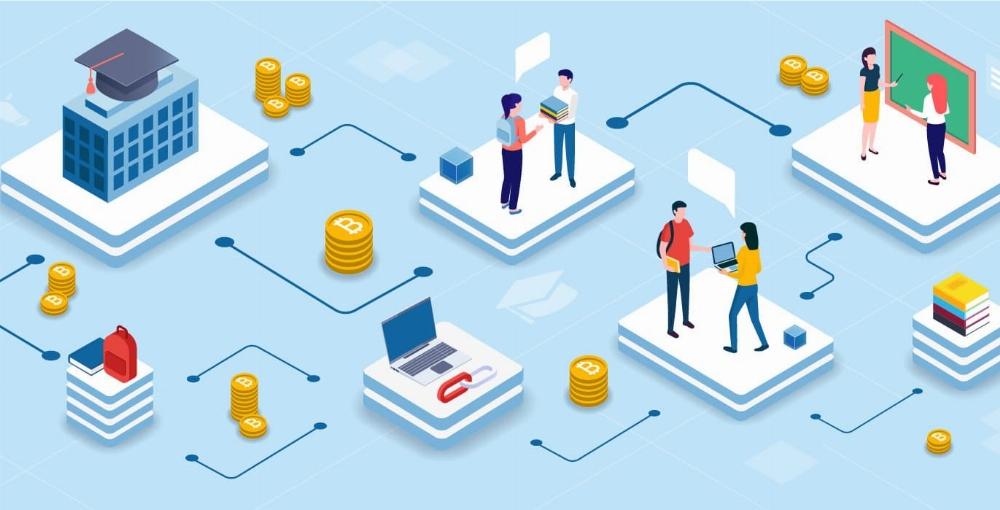
Transforming Higher Education: Case Studies Showcasing Blockchain Innovation
Introduction: Embracing the Future of Academic Excellence
Higher education stands at the precipice of a major transformation. Traditional academic processes—transcript handling, degree verification, and credentialing—are frequently enough plagued by inefficiencies, fraud, and lack of transparency. Enter blockchain technology: a cutting-edge solution poised to revolutionize the way universities operate, protect student data, and verify academic achievements.
This article delves deep into how blockchain innovation in higher education is not just a trend, but a game-changer. through compelling case studies, practical insights, and proven benefits, discover how this powerful technology is reshaping global academic landscapes. Whether you’re an educator, student, or administrator, understanding blockchain’s role in education is essential for future success.
What is Blockchain Technology and Why is it Vital for Higher Education?
Understanding the basics of Blockchain
Blockchain is a decentralized, tamper-proof digital ledger that records data in a transparent and secure manner. Originally developed for cryptocurrencies, it’s application in higher education offers unique advantages:
- Transparency: Every transaction is recorded and visible.
- Security: Data is encrypted and cannot be easily altered or hacked.
- Immutability: Once entered, records cannot be changed, ensuring data integrity.
Why Blockchain Matters in Higher Education
- Prevents Credential Fraud: Institutions can issue blockchain-based diplomas and certificates which are verifiable and secure.
- Streamlines Processes: Reduces reliance on manual, paper-based systems.
- Empowers Students: Grants individuals control over their academic records and achievements.
- Promotes Collaboration: Facilitates partnerships between global universities and employers.
Case studies: Real-World Blockchain Innovation in Higher Education
To illustrate blockchain’s transformative potential,let’s examine several pioneering institutions leveraging this technology to enhance education management,verification,and access.
1. MIT’s Digital Diplomas Initiative
The Massachusetts Institute of Technology (MIT) has been at the forefront of blockchain adoption in education. In collaboration wiht Learning Machine (now Hyland Credentials), MIT launched a pilot program allowing graduates to receive blockchain-based digital diplomas.
- Key Benefits: Graduates can instantly share their verified credentials with employers worldwide, eliminating delays and falsification risks.
- Impact: Increased efficiency, student empowerment, and global recognition of credentials.
- Technology Used: Blockcerts, an open standard for blockchain certificates.
“Having a portable trusted record of my academic achievements empowered me to apply internationally—without tedious paperwork.”
– MIT Graduate
2. University of Melbourne: Verifying Academic Credentials
The University of Melbourne piloted a blockchain solution for issuing and verifying academic credentials. Leveraging Learning Machine’s blockchain technology, students received tamper-proof digital certificates accessible via smartphone apps.
- Result: Administrative costs dropped, verification requests were processed instantly, and graduates reported greater ease in job applications.
- Innovative Aspect: students retained ownership of their records throughout their careers.
3. ECPI University: Secure Transcripts and degrees
ECPI University adopted blockchain for secure transcript management.Graduates can now access, share, and verify their degrees and transcripts digitally through trusted blockchain platforms.
- Advantage: Simplifies transfer and application processes for students, staff, and third-party organizations.
- Added Layer of Security: All records are encrypted and protected from tampering.
4. Sony global Education: Blockchain for Lifelong Learning
Sony Global Education partnered with IBM to create a blockchain platform enabling learners to track and share academic achievements from childhood to career. This system promotes a holistic, lifelong approach to education.
- Interoperability: Credentials from multiple institutions can be stored,aggregated,and transferred securely.
- Student Empowerment: Individuals curate academic portfolios for employers and institutions anywhere in the world.
Key Benefits of Blockchain in Higher Education
Harnessing blockchain in academia offers numerous advantages, extending beyond simple verification:
- Enhanced Security: Student records are virtually hack-proof.
- Faster Verification: Institutions and employers instantly authenticate qualifications.
- Reduced Fraud: Eliminates forged diplomas and transcripts.
- cost Savings: Automation of record management slashes administrative overhead.
- International Collaboration: Blockchain enables global portability and recognition of credentials.
- Lifelong Record-Keeping: Students maintain a comprehensive, accessible history of their learning achievements.
Practical Tips for Implementing Blockchain in Higher education
For universities and colleges contemplating blockchain adoption, strategic planning is crucial. Hear are actionable steps to kickstart innovation:
- Start with a Pilot Program: Test blockchain solutions in one department before full-scale implementation.
- Collaborate with Industry Experts: Partner with existing blockchain providers for technical and strategic guidance.
- Invest in training: Educate staff, faculty, and students on blockchain benefits, usage, and security.
- Ensure Regulatory Compliance: Work closely with accreditation bodies to align blockchain practices with legal standards.
- Focus on User Experience: Develop intuitive platforms that prioritize accessibility and ease-of-use for all stakeholders.
First-Hand Experience: Voices from the Academic Community
Blockchain technology is not just a theoretical innovation—faculty, students, and administrators around the globe are experiencing its impact firsthand.
- Faculty Perspective: Professors report reduced administrative burden and faster credential verification for graduate admissions.
- Student Stories: Students feel empowered by having portable, trusted records that accelerate job-search and admissions processes.
- Administrator Insights: University officials note significant improvements in data management efficiency and international student recruitment.
“Prior to blockchain, verifying overseas transcripts was a nightmare. Now, it’s just a click away.”
– Senior Admissions Officer,University of Melbourne
Challenges and Considerations for Blockchain Adoption
While promising,blockchain in higher education does face obstacles:
- Interoperability Issues: Integrating blockchain with existing systems can be complex.
- Privacy concerns: Institutions must balance transparency with student data protection.
- Regulatory Uncertainties: Governing bodies are still defining standards and best practices.
- Scalability: Widespread deployment may require significant infrastructure upgrades.
Addressing these challenges requires a thoughtful, collaborative effort across educational ecosystems.
Conclusion: The Dawn of a More Transparent, Secure, and Global Academic Landscape
The transformation of higher education is underway, and blockchain innovation is leading the charge. as highlighted by case studies from MIT, University of Melbourne, ECPI University, and Sony Global Education, blockchain’s potential in academia is vast: from fraud-proof credentialing to streamlined verification and lifelong learning records.
For educators, students, and decision-makers, understanding and embracing blockchain is essential. By fostering a collaborative approach and leveraging expert solutions,higher education institutions can improve security,efficiency,and student experience while paving the way for a truly global and transparent academic future.
Curious about implementing blockchain in your university, college, or department? Now’s the time to explore, pilot, and innovate. The world of higher education is evolving—make sure you’re at the forefront.