
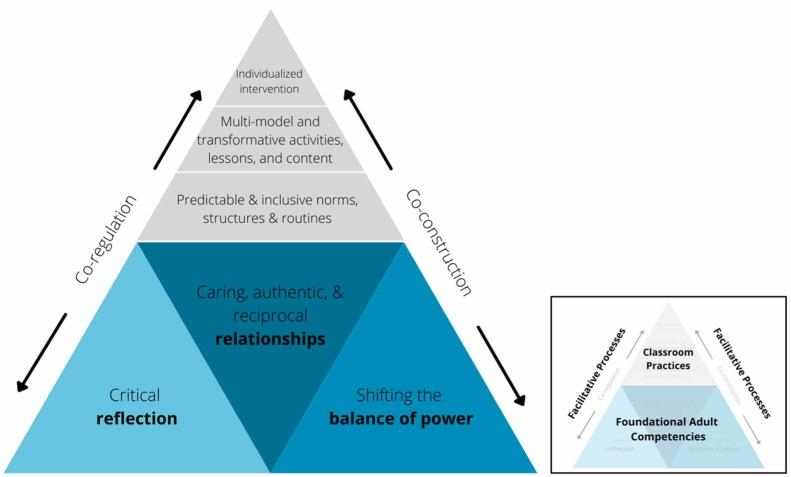
Transforming Learning: Effective SEL Strategies for Students with Special Needs
social-Emotional Learning (SEL) strategies play a transformative role in classrooms, notably for students with special needs. The importance of fostering emotional intelligence,resilience,and interpersonal skills cannot be overstated—these competencies serve as a foundation for lifelong learning and personal success. Whether you’re a teacher, parent, or education administrator, understanding how to tailor SEL approaches for special needs students is vital for building an inclusive and supportive learning habitat.
Understanding SEL and Its Meaning in Special Education
Social-emotional learning refers to the process by wich individuals acquire and apply knowledge, skills, and attitudes to understand and manage emotions, set and achieve positive goals, feel and show empathy for others, establish positive relationships, and make responsible decisions. for students with special needs—such as those with autism, ADHD, learning disabilities, or emotional disturbances—SEL is particularly crucial as it:
- Addresses unique challenges in communication, self-regulation, and social interaction.
- Helps reduce behavioral issues and anxiety.
- Promotes inclusion and a positive school climate.
- Fosters independence and lifelong coping skills.
Benefits of effective SEL Strategies for Students with special Needs
Implementing targeted SEL strategies offers meaningful advantages for students, educators, and families:
- Improved Emotional regulation: Students learn to identify and manage their emotions, leading to decreased frustration and outbursts.
- Enhanced Social Skills: SEL encourages understanding of social norms and effective communication, facilitating better relationships with peers and teachers.
- Academic Success: When students feel supported emotionally, their readiness to learn and academic achievements rise.
- Reduction in Behavior Issues: Proactive SEL interventions can prevent behavioral challenges and promote positive decision-making.
- Greater Inclusion: SEL creates a classroom culture where diversity is respected and every student feels valued.
Proven SEL Strategies for Students with Special Needs
Applying SEL in special education requires a thoughtful, flexible approach tailored to individual strengths and challenges. Here are evidence-based strategies for effective implementation:
1. Explicit Instruction in Social-Emotional Skills
- Break down SEL concepts (such as recognizing feelings, empathy, conflict resolution) into manageable lessons using visual aids, social stories, and role-playing.
- Use concrete examples and visual supports to make abstract concepts more accessible.
- Incorporate regular practice and repetition.
2. personalized Behavior Supports and Interventions
- create individual behavior support plans targeting the emotional and social goals specific to each student.
- Utilize positive reinforcement and clear, consistent expectations.
- Monitor progress and adjust strategies as needed.
3. Utilizing Visual Schedules and Cues
- Visual schedules offer predictability and help students transition more easily between activities.
- Emotion charts, timers, and cue cards reinforce SEL concepts and routines.
- Pair verbal instructions with visual cues for enhanced understanding.
4. Mindfulness and Relaxation Techniques
- Introduce mindful breathing, guided imagery, and sensory breaks to help students self-regulate and reduce stress.
- Make accommodations for diffrent sensory processing needs.
- Incorporate movement and tactile activities when possible.
5. Collaborative Problem-Solving and Peer Support
- Encourage group activities that build communication and teamwork.
- Facilitate peer mentoring and buddy systems for guided social interaction.
- Celebrate teamwork and diversity, emphasizing strengths and contributions from all students.
6. Family and Community Engagement
- Share SEL goals and activities with families to reinforce skills at home.
- Partner with counselors, therapists, and community organizations for additional support.
- provide resources and training for parents to continue SEL practices beyond the classroom.
Practical Tips for Integrating SEL with IEP Goals
Seamlessly blending SEL into Individual Education Plans (IEPs) ensures that social-emotional growth and academic development progress hand in hand. Consider the following tips:
- Define Targeted SEL Objectives: Specify measurable SEL goals in the IEP, such as “John will identify and verbalize his emotions in five different situations.”
- Multidisciplinary Collaboration: Work with speech therapists, counselors, special educators, and families to create unified plans.
- Incorporate Regular Monitoring: use check-ins, progress notes, and feedback from multiple sources.
- Celebrate Milestones: Recognize incremental achievements to boost motivation and self-esteem.
Case Study: SEL Change in an Inclusive Classroom
“Amy,” a fourth grader diagnosed with ADHD and sensory processing disorder, often struggled with emotional outbursts and social isolation. Her teacher collaborated with support staff to introduce a daily mindfulness routine, individualized visual cues, and peer buddy support. Over several months:
- Amy developed reliable techniques to calm herself when upset using breathing tools.
- Her social interactions improved due to regular role-playing and buddy activities.
- Feedback from her parents indicated reduced anxiety and better communication at home.
This case highlights how tailored SEL strategies effectively foster emotional growth, resilience, and greater inclusion for students with special needs.
First-Hand Insights: Teachers and Families Share Experiences
“Introducing SEL practices transformed our classroom culture. Students with diverse needs feel seen, heard, and more capable of expressing themselves.Progress isn’t always linear,but small victories—like a student independently using a ‘calm down corner’—make a big difference.”
– Ms. jones, Special Education Teacher
“As a parent, it’s reassuring to know my child’s emotional development is prioritized alongside academics. The school’s SEL program has helped us create routines that work at home, making transitions smoother.”
– Mr. Patel, Parent
Overcoming Challenges in SEL Implementation for Special Needs
While SEL offers significant promise, educators and caregivers may face obstacles, such as:
- Limited training or resources related to SEL for special needs populations.
- Time constraints within the curriculum.
- Student resistance or anxiety regarding new social-emotional activities.
- Inconsistent reinforcement across home and school environments.
To address these challenges, schools can:
- invest in professional development and ongoing support for educators.
- utilize flexible SEL curricula adaptable for various learning styles and abilities.
- Encourage open communication between home and school.
- Celebrate diversity and design inclusive, supportive school policies.
Conclusion: Unlocking the Power of SEL for Every Student
Effective SEL strategies for students with special needs don’t just bolster emotional wellbeing—they transform learning environments. By championing inclusion, personal growth, and resilience, educators and parents alike can empower students to thrive in school and beyond.With thoughtful planning, ongoing collaboration, and celebration of progress, social-emotional learning becomes the heart of every special education program. The journey isn’t always easy, but it is always worthwhile—unlocking potential and fostering a supportive community for all.
Keywords to boost SEO: SEL strategies for students with special needs, social-emotional learning in special education, effective SEL for special needs, inclusive education, SEL classroom tips, special education case studies.