
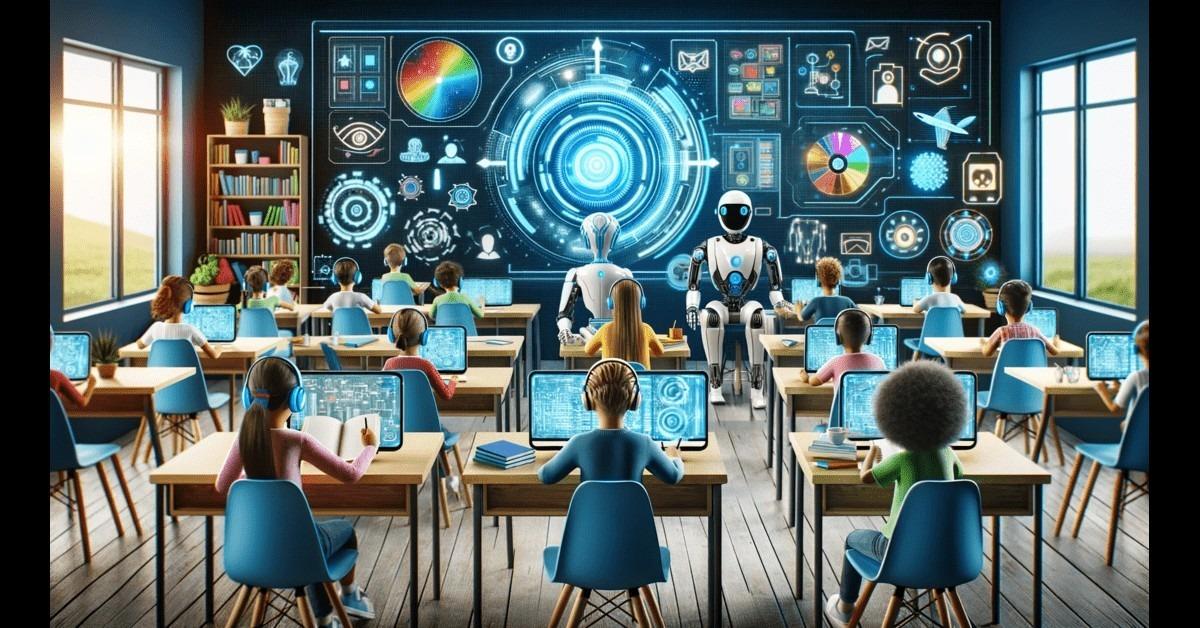
Transforming Science Labs: How AR is Revolutionizing Practical Learning Experiences
The integration of technology in education has forever changed the way we teach and learn. Among these advancements, Augmented Reality (AR) is rapidly transforming customary science laboratories and practical sessions into dynamic, engaging, and interactive experiences. in this article, we’ll explore how AR is revolutionizing science labs, amplifying practical learning, and shaping the future of science education.
Introduction: The New Era of Science Labs
For generations, science labs have been the heart of experiential learning in schools and universities. Yet, challenges such as limited resources, safety concerns, and accessibility issues have often hindered effective hands-on learning. Enter Augmented Reality, a technology that overlays digital data onto the real world via smartphones, tablets, or specialized AR headsets.
With AR, students can visualize complex scientific processes, conduct experiments virtually, and collaborate in ways that were never possible before. The fusion of physical and digital worlds within the laboratory setting is not just enhancing understanding but also making science practical and fun.
What is Augmented Reality in Science Education?
Augmented Reality (AR) in science education refers to the use of digital overlays to enrich students’ interaction with real-world environments. Unlike Virtual Reality (VR),which immerses users in a wholly artificial space,AR adds contextual information and 3D simulations to physical objects,bridging the gap between theory and practice.
- Interactive Science Experiments: students conduct or simulate chemistry reactions and biological dissections using AR applications.
- 3D Molecular Visualizations: AR brings molecules and cellular structures to life, allowing for manipulation and exploration from all angles.
- guided lab Procedures: Step-by-step AR instructions reduce human error and improve experiment outcomes.
Benefits of AR in Science Labs
1. Enhanced Engagement and Motivation
AR transforms abstract concepts into visual, interactive experiences, leading to better student engagement and retention of information.
2. Improved Accessibility and Inclusivity
Students from remote or under-resourced schools can now access standardized, high-quality lab content. AR provides inclusive learning for those with disabilities, offering customizable features and immersive participation.
3. Safe and Sustainable Lab Practices
Simulating experiments reduces the need for hazardous chemicals and materials. Students can safely explore reactions, observe results, and repeat experiments as often as needed without risks or extra costs.
4. Real-Time Feedback and Assessment
AR applications frequently enough offer instant feedback, quizzes, and analytics, helping educators track progress and address gaps promptly.
5. Encouraging Collaboration and Critical Thinking
Thru shared AR experiences and collaborative projects, students develop teamwork and problem-solving skills that mirror real scientific research.
How AR is Revolutionizing Practical Learning in Science Labs
Incorporating AR into science labs offers transformative advantages that go beyond traditional teaching methods. Here’s how augmented reality is changing the landscape:
- Bridging Theory and Practice: Concepts once limited to textbooks—like DNA replication or atomic interactions—can be visualized and manipulated in real time.
- Expanding Experimentation: Students can run multiple simulations,change variables,and instantly observe effects—something rarely feasible in physical labs due to time and resource constraints.
- Remote and Hybrid Learning: AR-powered science labs can be accessed from home, enabling seamless practical education for distance learners.
- Gamification: Introducing challenges, leaderboards, and rewards via AR boosts enthusiasm and healthy competition among students.
Case Studies: Real-World Examples of AR in Science Labs
1. Labster Virtual Science labs
Labster is a pioneer in virtual and AR-powered science education. Their interactive labs—spanning biology, chemistry, and physics—are used by over 2,000 institutions globally. Students can dissect virtual frogs, build molecules, or analyze DNA with hands-on activities and immediate feedback, dramatically improving learning outcomes.
2. merge EDU: AR Science Kits
Merge EDU offers AR-enriched science and STEM activities. Using Merge Cube, students hold 3D objects in their hands—like planets, anatomy models, or fossil replicas. This tactile AR experience is especially effective in middle and high school classrooms, promoting curiosity and deep comprehension.
3. HoloLab Champions (Case Western Reserve University & Cleveland Clinic)
This innovative programme leverages Microsoft HoloLens AR headsets to teach medical and biological concepts. Students see 3D organs and processes superimposed in the real lab, interact with them, and receive guidance, making complex lessons intuitive and memorable.
First-Hand Experience: A Student’s Outlook
Imagine stepping into a biology lab where a beating 3D heart hovers over your textbook, and you can rotate, dissect, and even simulate cardiac procedures—all with a tablet. For university student Emily Zhao, this is not science fiction, but her reality:
“The moment I could ‘look inside’ a virtual cell or see chemical bonds form in 3D, everything clicked.Learning through AR made it real and relevant, and I feel so much more prepared for real laboratory work.”
Educators echo this enthusiasm,noting increased curiosity,engagement,and understanding among their students. AR is not just a novelty—it’s driving deeper, more meaningful science learning.
Practical Tips: How to Integrate AR into Science Labs
- Start with Ready-to-Use AR Apps: Platforms like Labster,Merge EDU,and Google Expeditions offer accessible AR lab simulations that fit most curricula.
- invest in Affordable Devices: Tablets and smartphones are often sufficient for classroom AR activities; full AR headsets are optional for advanced setups.
- Align AR Content with Lesson Objectives: Choose or customize simulations that reinforce the specific knowledge and skills your students need.
- Train Teachers and Students: offer workshops and resources so educators and learners feel confident using AR tools effectively.
- Blend Physical and Digital Lab Work: Use AR to preview, supplement, or review real experiments, fostering a holistic learning approach.
The Future of AR in Science Labs
As AR technology evolves, its educational applications will only expand. Here’s what we might see in the coming years:
- Highly Personalized Learning: Adaptive AR will cater to individual learning paces and styles, optimizing student outcomes.
- Immersive Remote Labs: Fully AR-powered lab environments for schools lacking physical lab access, leveling the playing field worldwide.
- Live Scientific collaboration: Seamless sharing of AR experiments among schools, fostering global teamwork and innovation.
- Integration with AI & IoT: Combining artificial intelligence and connected lab equipment for smarter, data-driven practical learning.
the potential of augmented reality in science labs is enormous. It turns traditional labs into playgrounds for exploration,finding,and innovation—preparing students for 21st-century science careers.
Conclusion: Embracing the AR Revolution in Science Education
From safer, more accessible lab experiences to deeper engagement and new frontiers in practical learning, augmented reality is truly transforming science labs. Schools, teachers, and students that embrace this revolution will be better equipped not only to understand science but also to shape its future.
Whether you’re an educator planning your next lesson, a student eager to experience science in a new way, or a school leader considering investment in technology, now is the time to explore the power of AR in the science lab.