
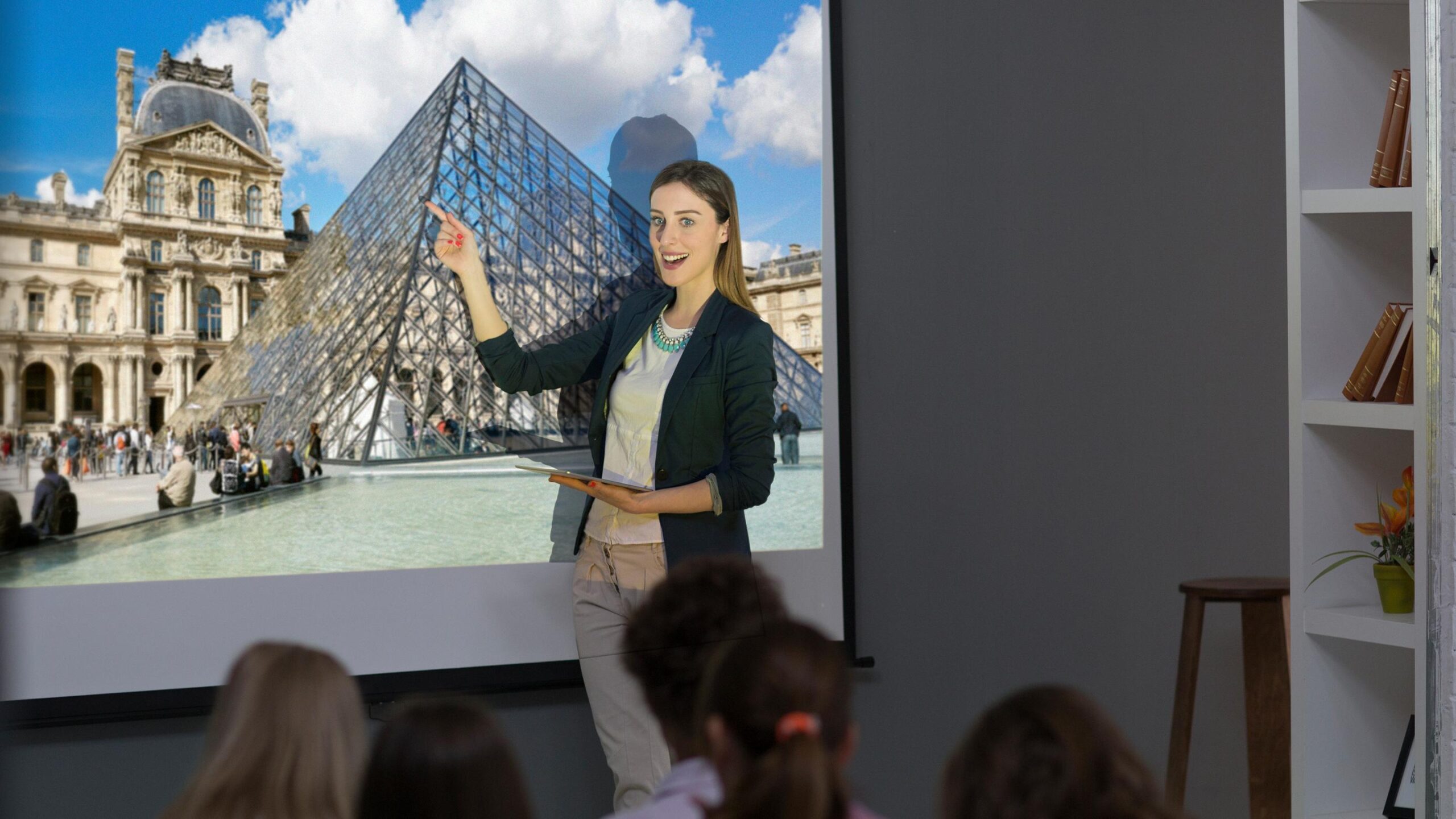
Unlock Learning: How Virtual Field Trips Expand Classroom Horizons Effortlessly
In today’s fast-evolving educational landscape, teachers and administrators constantly seek innovative ways to engage students and enrich their learning experiences. Virtual field trips have emerged as a game-changing solution — offering immersive, educational adventures far beyond the conventional classroom walls. With the aid of technology, students can explore museums, natural wonders, historic landmarks, and more, all without leaving their desks.
this article explores how virtual field trips unlock learning potential, break down barriers, and open up exciting new possibilities for educators and learners alike. Discover key benefits, effective ways to integrate them, first-hand experiences, and practical tips to make your virtual journeys truly impactful.
What are Virtual Field Trips?
Virtual field trips are interactive, online learning experiences that enable students to explore destinations and educational sites remotely. using various multimedia tools — videos, live streams, interactive maps, and virtual reality — these trips bring rich, engaging content directly into the classroom.
- Web-based tours of museums, scientific labs, and historical archives
- 360-degree virtual reality visits to natural wonders and cultural sites
- real-time interactions with experts or guides through live video calls
Supported by popular platforms like Google Expeditions, Discovery Education, and National Geographic, virtual field trips are rapidly becoming an essential tool in modern education.
benefits of Virtual Field Trips: Enhancing Classroom Learning
Accessibility and Inclusion
- Overcome geographical barriers: Students can visit faraway places nonetheless of location or budget constraints.
- Support special needs: Virtual field trips are customizable for students with mobility or sensory challenges.
- Promote global awareness: Exposure to diverse cultures, languages, and perspectives enhances empathy and worldliness.
Effortless Implementation and Cost Efficiency
- No transportation, lodging, or meal costs
- Easy scheduling and participation — even with limited class time
- Minimal paperwork and logistical planning
Active engagement and Improved Learning Outcomes
- Interactive content prompts curiosity and deeper investigation
- gamified elements and quizzes boost student motivation
- Multi-sensory experiences cater to various learning styles
Safety and Convenience
- No travel risks or environmental hazards
- secure, teacher-controlled online environments
Real-World Case Studies: Virtual field Trips in Action
Case Study 1: Exploring Ancient Egypt Through VR
At Lincoln Middle School, sixth-grade students participated in a virtual reality tour of Egypt’s pyramids and temples. Using Google Expeditions, teachers guided students through 360-degree views, interactive maps, and historical video narratives. Post-trip activities included digital poster-making and classroom debates about ancient Egyptian society.
Impact: 90% of students reported increased interest in world history; teachers noted improvement in critical thinking and discussion skills.
case Study 2: Interactive Science Lab with Remote Experts
Greenwood Elementary leveraged live video conferencing to connect their fifth-grade science class with oceanographers at Monterey Bay Aquarium. Real-time Q&A sessions and virtual demonstrations brought textbook marine biology lessons to life.
result: Students retained knowledge better and expressed greater enthusiasm for scientific careers.
case Study 3: A Planetarium Adventure for Rural Schools
Remote schools in Wyoming accessed a live-streamed virtual field trip to a major city planetarium.Students interacted with astronomers,viewed real-time telescope footage,and took part in group experiments using household items.
Feedback: Teachers observed higher engagement during virtual activities then during traditional lectures.
First-Hand Experience: Teacher and Student Perspectives
Teacher Testimonial
“When we hosted a virtual field trip to The Smithsonian, my students were glued to their screens. The interactive exhibits and the ability to ask curators questions energized even the shyest learners. It was effortless to set up, and the educational value was outstanding.” — Mrs. Lopez, 5th Grade Teacher
Student Reflection
“I loved exploring Mars from our classroom! I learned more about space than I ever did from the textbook. It felt like I was really ther.” — Jason, 6th Grade Student
Practical Tips: Effortless Integration of Virtual Field Trips
How to Choose the Best Virtual Field Trip Experience
- Align with curriculum goals: Ensure the trip supports specific learning objectives for your grade level and subject.
- check for interactivity: Look for options with real-time Q&A, quizzes, or interactive elements to keep students engaged.
- Assess technical requirements: Review hardware/software needs, internet bandwidth, and accessibility for all students.
- Preview trip materials: Test-run videos, resources, and instructions to ensure smooth delivery.
Tips for Maximizing Engagement
- Encourage students to prepare questions for hosts or experts.
- Incorporate hands-on follow-up activities (e.g., digital scavenger hunts, art projects).
- Use breakout groups for discussion and collaboration during or after the trip.
- Leverage multimedia (images, audio, interactive maps) to reinforce key concepts.
Recommended Virtual Field Trip Platforms
- Google expeditions: Vast selection of 360-degree journeys and AR experiences.
- Discovery Education Virtual Field Trips: Standards-aligned, subject-specific tours for all grades.
- National Geographic Education: Science, culture, and exploration-themed virtual adventures.
- FieldTripZoom: live, interactive events featuring experts, museums, and zoos.
Overcoming Challenges of Virtual Field Trips
While virtual field trips offer many advantages, educators should be aware of potential hurdles and ways to address them:
- Technology gaps: Ensure all students have access to devices and reliable internet. Consider school loaner programs or after-school computer lab access.
- Student attention: Incorporate interactive segments every 10–15 minutes; use polls, quizzes, or hands-on activities mid-trip.
- Learning assessment: Use follow-up activities,digital journals,or post-trip assignments to evaluate comprehension.
- Privacy concerns: Choose secure, teacher-supervised platforms and educate students on safe online behavior.
Conclusion: Unlocking Limitless Classroom Opportunities
virtual field trips are transforming how educators teach, how students learn, and how schools connect with the broader world. By harnessing technology, classrooms can transcend physical limitations — diving deep into science labs, exploring distant cultures, and witnessing historic events firsthand. The ease and affordability of virtual field trips make them a practical option for schools everywhere, while their interactive, engaging nature helps motivate and inspire students.
By making learning more meaningful, inclusive, and exciting, virtual field trips are not just a tech trend; thay are the gateway to the future of education.