
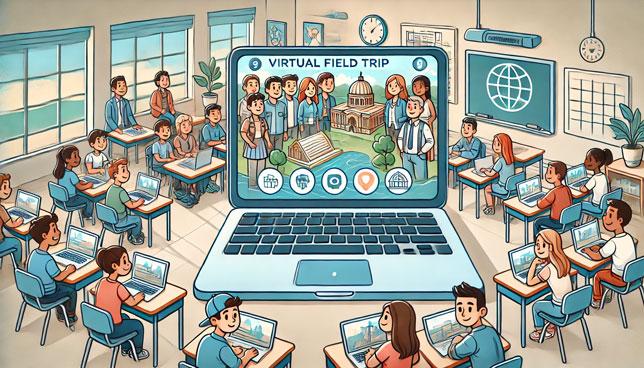
Unlock Learning: How Virtual field Trips Expand Classroom Horizons Without Leaving School
Field trips have long been a cornerstone of experiential learning. Today,however,innovative educators are harnessing the power of digital technology to break down barriers and bring the world into their classrooms. Virtual field trips offer students opportunities to explore museums, historic landmarks, scientific laboratories, and even outer space—all without ever leaving the school grounds. In this comprehensive guide, we’ll explore how virtual field trips expand classroom horizons, the immense benefits they offer, best practices for implementation, and inspiring success stories.
What Are Virtual Field Trips?
Virtual field trips are educational experiences that use technology—such as videos, 360-degree tours, interactive maps, or live-streamed events—to transport students to locations and experiences that may otherwise be inaccessible. These virtual journeys can be integrated into various subjects, including science, history, geography, and the arts, providing enriching content that supplements conventional learning materials.
- Real-time interaction with experts or guides from institutions worldwide
- Immersive, multimedia content such as virtual reality (VR), augmented reality (AR), and interactive simulations
- On-demand access to resources tailored to different learning needs and paces
Benefits of Virtual Field Trips in the Classroom
Embracing virtual field trips can unlock unprecedented educational opportunities—both for students and teachers. Here’s how virtual field trips expand classroom horizons:
1. Accessibility and Inclusivity
- Overcoming logistical barriers: Virtual field trips eliminate the high costs, travel restrictions, and permission slip hassles associated with traditional outings.
- Reaching remote or under-resourced schools: Students who may not have access to on-site field trips due to geographic or economic constraints can still benefit from global experiences.
- Inclusive for all abilities: Digital accommodations make these trips more accessible for students with physical, sensory, or cognitive disabilities—which means no one gets left behind.
2. Enhanced Student Engagement
- Interactive content: Many virtual field trips offer hands-on activities, quizzes, or live Q&A sessions that keep students actively engaged.
- Personalized learning: Digital resources can be easily adapted to suit different learning styles, allowing students to explore topics at their own pace.
3. Expanding Horizons and Deepening Understanding
- Global exposure: Students can “travel” to ancient ruins in Egypt, explore the International Space Station, or tour the Louvre—all from the classroom.
- Curriculum integration: Virtual trips can be directly tied to lesson plans and learning objectives, reinforcing key concepts with real-world context.
- Building digital literacy: As students navigate virtual platforms, they develop essential 21st-century skills for the digital future.
4. Cost-Effective and Scalable
- Reduced transportation, admission, and chaperone expenses
- Easy to repeat or customize for multiple classes or grade levels
How to Organize an Effective Virtual Field Trip
To maximize learning outcomes and student engagement, it’s vital to plan your virtual field trip thoughtfully. Here are some practical tips for educators:
- Define Learning Goals: Clearly identify the objectives you wish your students to achieve during the virtual trip.
- Research Platforms: Explore reputable platforms such as Google Arts & Culture, Smithsonian Virtual Tours, Discovery Education, and National Geographic’s virtual series.
- Integrate with Curriculum: Select content that aligns with your current curriculum and reinforces classroom lessons.
- Prepare Students: Share background information, guiding questions, and tech requirements in advance.
- Engage During the Trip: Encourage note-taking, questions, and active participation. Utilize interactive features if available.
- Debrief and Assess: Follow up with class discussions, reflection logs, or creative projects to help students process and apply their learning.
Tip: Many platforms offer teacher guides, lesson plans, or printable worksheets to seamlessly integrate the experience into your classroom routine.
Popular Virtual Field Trip Resources
- Google Arts & Culture: Explore museums, historic sites, and art galleries worldwide.
- Smithsonian National Museum of Natural History: Take immersive virtual tours of exhibits and collections.
- discovery Education Virtual Field Trips: access live and on-demand STEM field experiences.
- National Geographic explorer Classroom: Connect with real-world explorers via live video events.
- YouVisit: Explore 360-degree campus tours for high-schoolers considering college.
- VirtualFieldTrips.org: Comprehensive library of virtual field trips for K-12.
Case Study: Virtual Field Trips in Action
A Real-World Transformation: Maple Ridge Middle School
At Maple Ridge Middle School, educators incorporated virtual field trips to complement their study of environmental science.Unable to arrange a traditional visit due to budget constraints, the school’s 7th-grade science teacher opted for a series of virtual excursions:
-
A live session with park rangers from Yellowstone National park, where students interacted with scientists and remotely controlled wildlife cameras.
-
A 360-degree exploration of tide pools along the California coast, allowing students to observe marine life up-close.
-
Follow-up classroom experiments inspired by the field trip, reinforcing the hands-on connection between digital and physical learning.
The result? Increased classroom engagement, more thoughtful scientific inquiry, and overwhelmingly positive feedback from both students and parents.
First-Hand Experience: Teacher’s Perspective
“Bringing the world into our classroom has revitalized my teaching. Students who are usually reserved start asking questions, collaborating, and connecting concepts in new ways. The accessibility and variety of virtual field trips mean that every lesson can become an adventure, no matter our resources.”
— ms. Rodriguez, 5th Grade Teacher
Overcoming Challenges
While virtual field trips offer a multitude of advantages, educators may encounter some hurdles:
- Technology access: Ensure all students have devices and reliable internet. Consider hybrid activities for students with limited access.
- Teacher training: Invest in professional development to help educators navigate new platforms and integrate digital tools effectively.
- Screen fatigue: Balance virtual experiences with offline activities, discussions, and hands-on projects.
- Quality control: Preview all materials in advance to ensure accuracy, age-appropriateness, and curriculum relevance.
Conclusion: Embracing a New World of Learning Opportunities
Virtual field trips are revolutionizing the education landscape by breaking down traditional barriers to experiential learning. By leveraging technology, schools can expand classroom horizons, delivering memorable, meaningful, and equitable experiences to every student—regardless of location or background. As digital resources continue to evolve, so too will opportunities for creative teaching and immersive exploration. It’s time to embrace the world of virtual field trips and unlock the limitless potential that lies just a click away!
Start planning your next virtual field trip today—and watch your students’ curiosity and global awareness soar.