
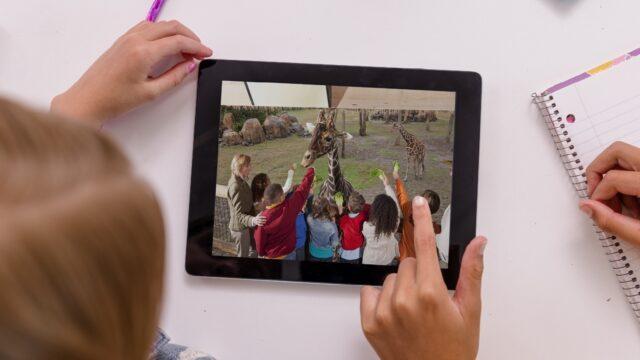
Unlock Learning: How Virtual Field Trips expand Classroom horizons Without Travel
Imagine yoru students experiencing the wonders of the Great Barrier Reef, the art of the Louvre, or the historic streets of Rome—all without ever leaving the classroom. Thanks to virtual field trips, such immersive learning experiences are within reach for every educator and student. In today’s digital era, virtual field trips are redefining the boundaries of education, making global exploration accessible, interactive, and cost-effective.
In this in-depth article, we’ll explore how virtual field trips expand classroom horizons, their major benefits, real-world case studies, and tips for maximizing their impact. Let’s unlock new possibilities in learning—no passport required!
What Are Virtual Field Trips?
virtual field trips utilize digital technology to transport students to places around the globe through online resources,live video tours,and immersive multimedia experiences. These trips can include:
- Live-streamed museum tours
- Interactive journeys through ancient sites
- Exploring natural wonders with augmented reality
- Virtual meetings with scientists,authors,and experts
- Engaging educational content from cultural organizations
Unlike customary field trips,virtual experiences break geographical,financial,and logistical barriers,allowing every classroom access to learning adventures once considered unachievable.
Key Benefits of virtual Field Trips
With the rise of online education, virtual field trips stand out as powerful tools for modern classrooms. Here are the top advantages:
1. Accessibility for All Students
- Inclusive learning: Students with physical disabilities, budget constraints, or those in remote areas can engage fully.
- Global perspectives: Experience cultures and places from every continent, expanding empathy and understanding.
2. Significant Cost Savings
- Eliminate travel expenses: No more bus rentals, entry fees, or permission slips.
- Budget-friendly resources: Many platforms offer free or low-cost experiences for schools.
3. Curriculum Enrichment
- Aligned with learning goals: Trips can be tailored to science, history, geography, arts, and more.
- Real-world connections: Bring abstract concepts to life through authentic experiences.
4. Interactive & Engaging
- Multimedia immersion: 360-degree tours, live chats with experts, gamified activities, and quizzes.
- Student collaboration: Encourage group projects,presentations,and peer discussions post-trip.
5. Time Efficiency
- No travel needed: Fit an educational adventure into a single class period.
- Flexible scheduling: Trips can be revisited or paused as needed.
Popular Virtual Field trip Destinations & Platforms
Ready to embark on a digital journey? Here are some top-rated virtual field trip platforms and destinations for educators:
- google Arts & Culture – Explore iconic museums, world heritage sites, and artistic collections with virtual tours and AR features.
- Revelation Education – Access a library of interactive field trips covering STEM, history, and more, often featuring real-time expert Q&A sessions.
- Museum of Natural History (NYC) – Free virtual field trips, live events, and behind-the-scenes guided videos.
- national Geographic Education – Engage with scientists and explorers via live videos and downloadable lesson plans.
- Skype a Scientist – Connect classrooms directly with working scientists for personalized learning experiences.
Don’t forget local gems—many regional museums and historical societies are also offering interactive tours for schools.
Case Studies: Virtual Field Trips in Action
Greenwood elementary: Exploring the Amazon Rainforest
When budget constraints meant a canceled traditional trip, fourth-grade teacher Mrs. Lee turned to virtual field trips. Using a mix of Google Earth and live presentations from rainforest ecologists, students:
- “Walked through” a 360-degree Amazon jungle tour
- Took part in real-time Q&A with a biologist
- Documented their findings in digital journals
The result? Student survey responses showed increased engagement and a better understanding of rainforest ecosystems compared to textbook learning alone.
Lincoln High School: A Virtual Visit to NASA
High school physics students joined a live-streamed presentation from NASA’s Jet Propulsion Laboratory. Highlights included:
- Touring the Mars Rover control room virtually
- Joining a Q&A with a Mars Mission engineer
- Participating in a challenge to design their own rover models
Teachers reported high enthusiasm and several students expressed interest in pursuing STEM careers as a direct result.
Practical Tips for Successful Virtual Field Trips
To maximize the benefits of virtual field trips, try these educator-tested strategies:
- Plan ahead: Preview the trip, test links, and prepare guiding questions for students.
- Align with curriculum: Choose trips that reinforce current learning objectives.
- Engage students actively: Assign research tasks, interactive worksheets, or group projects tied to the field trip.
- Facilitate discussion: Host post-trip reflection sessions or presentations to deepen understanding.
- Accommodate all learning needs: Ensure closed captioning, transcripts, and accessibility features are available.
- Leverage technology: use classroom whiteboards, tablets, or VR headsets for enhanced immersion.
Quick Tip: Prepare a “virtual passport” for students to document their digital travels and reflections.
First-Hand Experience: An educator’s Viewpoint
“Integrating virtual field trips transformed my classroom. Last year, we explored the pyramids of Egypt and participated in a virtual archaeological dig. My students were enthralled by the live video tour, and their curiosity soared. For many, it was their first ‘visit’ to a world wonder. I noticed greater engagement, improved test scores, and richer class discussions after each trip. Virtual field trips make impossible lessons possible—and they require just a click.”
– Ms. Rachel Saunders, 7th Grade Social Studies Teacher
how Virtual Field Trips Are Shaping the Future of Education
As digital connectivity expands, virtual field trips will continue to evolve. Expect future innovations such as:
- Improved virtual reality (VR) immersion for deeper engagement
- AI-driven learning customization and instant translations for global content
- Greater global collaboration among students via joint field trips
- Integration with blended and remote learning for educational flexibility
Education leaders are already embracing these technologies to make learning borderless, inclusive, and student-centered.
Conclusion: Unlocking Boundless Classroom Horizons
Virtual field trips unlock a world of possibility for classrooms everywhere. By overcoming travel challenges and cost barriers, they make powerful learning opportunities accessible instantly. From fostering global understanding to igniting curiosity in STEM, arts, and history, these digital experiences fuel a new era of engaged, connected, and inspired students.
Ready to reimagine your classroom’s horizons? Explore the vast array of virtual field trip platforms and start building unforgettable learning adventures—without ever having to pack a bag.
Start Your Next Virtual Field Trip Today!
- Research virtual tour options based on your lesson plans
- Sign up for free and interactive experiences
- Collaborate with fellow teachers to share best practices
- Encourage students to become digital explorers
Expand your classroom’s horizons—no bus required!