
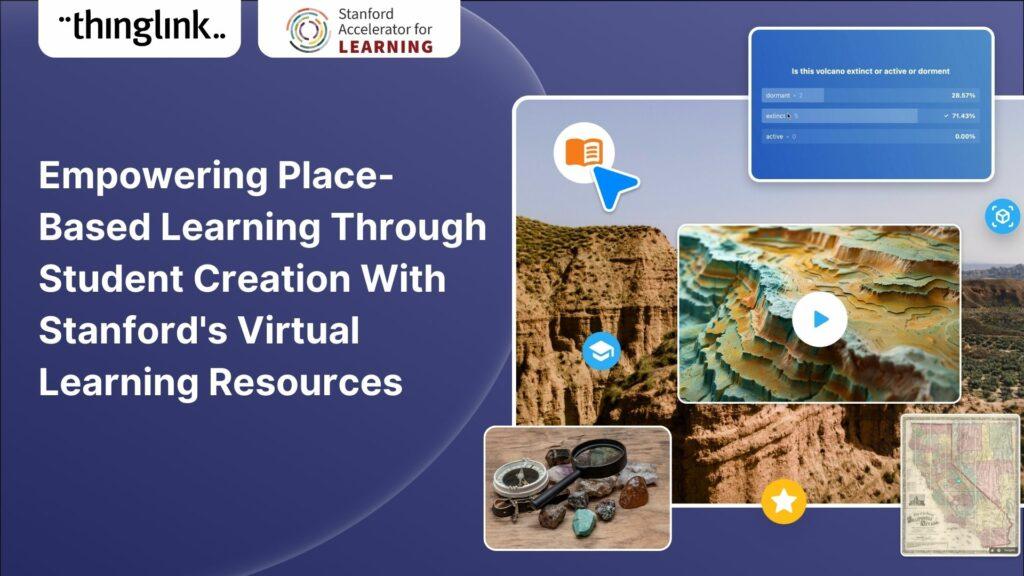
Unlock Learning: How Virtual Field Trips Expand Classroom Horizons Without Traveling
Imagine igniting your students’ curiosity as thay step inside the pyramids of Egypt, observe marine life in the Great Barrier Reef, or witness the wonders of NASA’s space missions—all without leaving their desks. welcome to the world of virtual field trips,an innovative approach that leverages technology to redefine classroom learning. In this article, we’ll explore how virtual field trips expand classroom horizons, unveil their benefits, provide practical implementation tips, and share inspirational case studies—all through an SEO-optimized lens.
Introduction: A new Era of Classroom Adventures
The customary school field trip has always been a cherished and educational experience, fostering hands-on learning and memorable moments. Yet, physical travel frequently enough comes with budgetary constraints, logistical hurdles, and accessibility issues. Enter virtual field trips: digitally immersive experiences that transport students to fascinating destinations across the globe using the power of the internet and multimedia technology. As virtual education continues to pave new pathways, educators and learners are discovering how virtual field trips unlock engagement, broaden perspectives, and make learning more inclusive than ever.
What Are Virtual Field Trips?
Virtual field trips are online learning experiences where students explore locations, phenomena, or events through digital platforms. These experiences can include:
- Interactive 360-degree tours
- live-streamed or recorded video excursions
- Virtual reality (VR) simulations
- Guided sessions with experts via video conferencing
- Collaborative web resources, maps, and infographics
This technology bridges the gap between the classroom and the world, allowing educators to bring authentic content right into their lessons and make learning universally accessible.
Key Benefits of Virtual Field Trips for Classroom Learning
Adopting virtual field trips can transform the educational landscape. Here’s how:
1. Accessibility Without Boundaries
- Removes Geographical Constraints: Students can ‘travel’ to far-flung locations—be it ancient ruins, cultural museums, rainforests, or laboratories—no matter their budget or physical ability.
- Inclusive Learning: Adds value for students with special needs or physical limitations by providing equivalent access to rich learning experiences.
2. Enhanced Engagement and Motivation
- Interactive Content: immersive multimedia like VR, video, and real-time chats increase student engagement and encourage active participation.
- Real-Life Context: Students see textbook lessons come to life, deepening understanding and retention of information.
3. Cost-Effective Educational Solutions
- No Transportation & Logistics Costs: Schools save on bus rentals, entry fees, and staffing, allocating resources to more impactful learning strategies.
- Scalable Experiences: One virtual field trip can reach multiple classrooms, schools, or districts together, maximizing access.
4. Supports Diverse Curricula
- cross-Disciplinary Learning: Teachers can integrate virtual field trips into STEM, social studies, history, art, and even language lessons.
- Customizable Experiences: Content can be tailored to curriculum goals, grade level, or student interests.
5. Real-Time Global Networking
- Expert Interaction: Live webinars or Q&A sessions with scientists, historians, or cultural ambassadors expand students’ horizons.
- Collaborative learning: Opportunities for inter-school collaborations and shared virtual experiences empower students to connect and learn globally.
Case Studies: Virtual Field Trips in Action
Smithtown Elementary’s Journey to NASA
When Smithtown Elementary wanted to inspire its fourth-grade science students about space exploration, budget restrictions made a physical visit to NASA’s Kennedy Space Center impossible. Through a virtual field trip via NASA’s interactive education portal, students took a 360-degree tour of launch pads, engaged with real astronauts through live video, and watched rocket launches. Follow-up surveys showed a 40% increase in STEM-related interest and a boost in overall test scores.
Global History at Lincoln Middle School
Lincoln Middle School’s virtual field trip to the Palace of Versailles integrated VR headsets and live guides. Students explored French history, architecture, and culture right from their classroom. Teachers noted improved ancient inquiry, critical thinking, and collaborative skills, with students independently researching aspects of Versailles for project-based learning.
Art Appreciation Via the Metropolitan Museum of Art
Art students at Willowcreek High enjoyed a virtual tour of the Metropolitan Museum of Art, examining masterpieces via high-resolution digital galleries. Live discussions with curators offered insights into artistic techniques and historical contexts, inspiring measurable increases in student creativity and participation in class projects.
Practical Tips for Integrating Virtual Field Trips in Your Classroom
Ready to unlock the power of virtual educational experiences? Here are actionable steps for teachers and administrators:
- Identify Clear Learning Goals: Choose a virtual field trip that aligns with curriculum standards and sparks student interest.
- Leverage Quality Platforms: Use reputable resources such as Google Arts & Culture, Revelation Education, National Geographic, and specialized museums.
- Prepare Pre-Trip Activities: share background information, vocabulary, and context to optimize student engagement during the virtual experience.
- Foster Active Participation: Encourage students to submit questions, contribute to discussions, and complete interactive challenges.
- Plan Post-Trip Reflection: Assign reflection essays, multimedia projects, or group presentations to solidify learning.
- Collaborate with Colleagues: Share insights and resources with other teachers to make virtual field trips a holistic, school-wide initiative.
Tools and Resources for Accomplished Virtual Field Trips
Here are top-rated virtual field trip platforms and resources for classroom use:
- Google Expeditions & Google Arts & Culture: Offers thousands of free,interactive tours for students and educators.
- Discovery Education: Hosts virtual events and excursions including STEM and cultural subjects.
- Museum Portals (e.g., Smithsonian, Louvre, British Museum): Provides virtual access to world-renowned exhibits.
- National Park Service Online Resources: Virtual visits to Yellowstone, Yosemite, Grand Canyon, and more.
- Zooniverse: Engages students in citizen science and research through guided projects.
- Flipgrid and Zoom: Facilitate live presentations and collaborative discussions with experts.
First-hand Experience: What Teachers and Students Say
Recent surveys and interviews show overwhelmingly positive feedback about virtual field trips:
“Our students were captivated by the virtual safari in Kenya. Watching a live animal feeding and asking questions to the guides was a highlight of their year. It felt like the world was literally at our fingertips.”
– Emily R., 3rd Grade Teacher
“Virtual field trips made learning about ancient Rome really interactive. We were able to ‘walk’ through the ruins and even click on artifacts for more information.”
– Liam H., Middle School Student
Educators also praise the ability to revisit content, schedule experiences flexibly, and even customize trips based on student feedback, making virtual learning a sustainable, evolving part of their teaching toolkit.
Overcoming Common Barriers to Virtual Field Trips
Tech Readiness and Accessibility
- Ensure all students have access to devices and stable internet connections.
- Utilize browser-based or app-free options for maximum accessibility.
- Prepare students and staff with tech tutorials or troubleshooting guides ahead of time.
Student Engagement
- Choose highly interactive experiences to avoid passive learning.
- Establish clear expectations for behavior and participation, even in the virtual space.
Assessment and Follow-Up
- Use formative assessments,project-based learning,and student feedback to measure learning outcomes.
- Integrate virtual field trips with broader instructional goals for maximum impact.
Conclusion: Expanding Classroom Horizons Without Traveling
The potential of virtual field trips to unlock learning and dramatically expand classroom horizons is undeniable. By harnessing digital technology, educators can break through geographic, economic, and logistical barriers, providing students with unforgettable, curriculum-aligned experiences. As virtual education continues to evolve, the classroom transforms into a gateway to discovery, exploration, and connection—no passport required.
Whether you’re an educator,administrator,parent,or student,embracing virtual field trips is a smart,sustainable way to enrich learning—making the world truly accessible to all.