
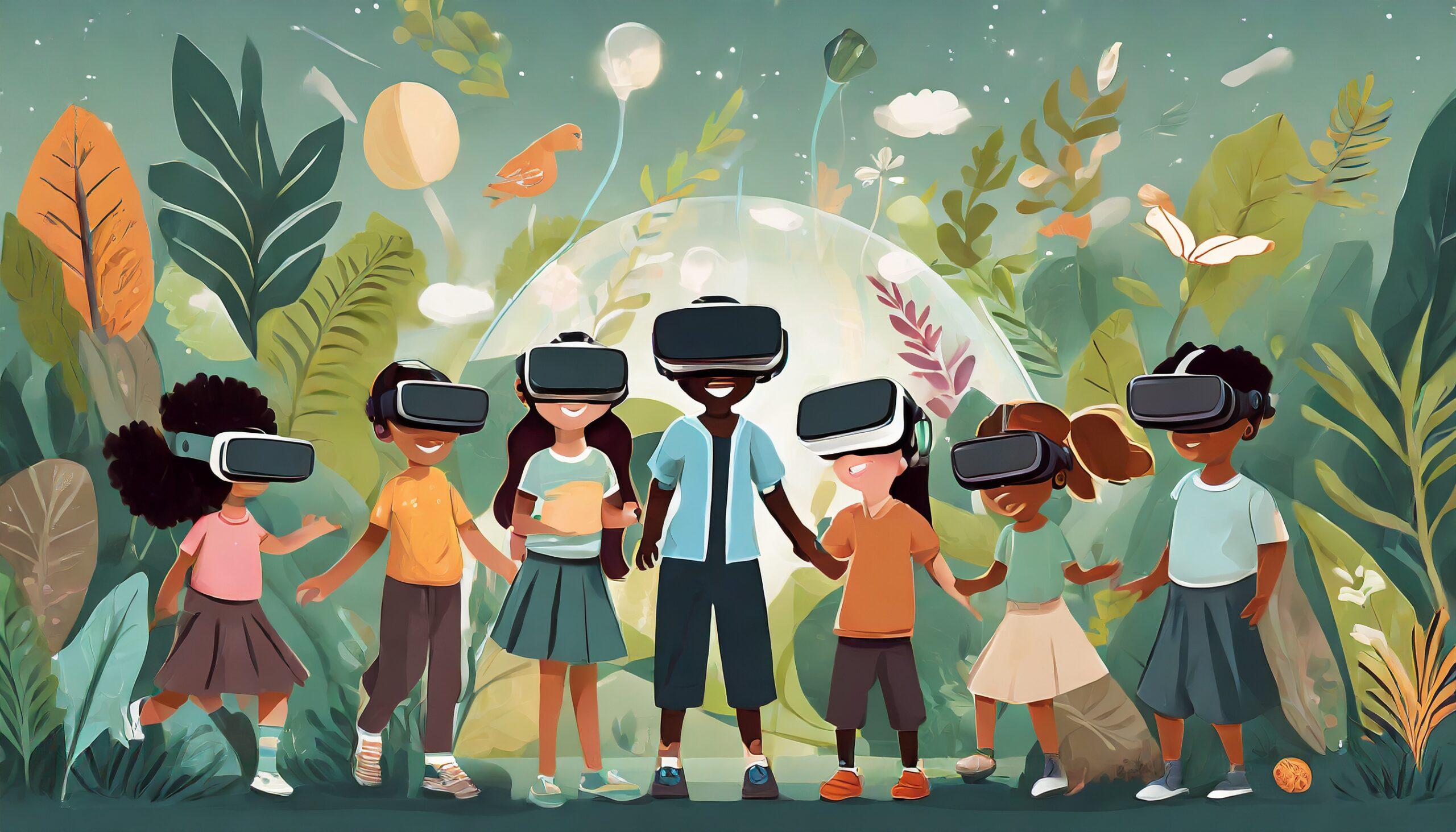
Unlock Learning: How Virtual Field Trips Expand Horizons Without leaving the Classroom
Imagine taking your students to the Grate Wall of China, the Smithsonian Museum, or snorkeling the Great Barrier Reef—all in a single school day and without ever leaving the classroom. thanks to advances in technology, virtual field trips are quickly becoming a staple in modern education. Not only do they save time and money, but these online adventures can also spark curiosity, encourage deeper learning, and break down geographical barriers. In this comprehensive guide, we unveil how virtual field trips can unlock limitless learning, featuring practical tips, real-life examples, and strategies for maximizing engagement.
What Are Virtual Field Trips?
Virtual field trips are digitally guided educational journeys that transport students to places around the globe using internet-connected devices. These experiences typically involve a blend of live video tours, interactive 360° environments, and multimedia resources to create immersive learning opportunities. Whether hosted by museums, national parks, historical landmarks, or scientific organizations, virtual field trips can be structured to align with nearly any subject or curriculum standard.
Benefits of Virtual field Trips in the Classroom
- Accessibility: virtual field trips remove barriers such as cost, travel logistics, and location, making them available to all students—including those with physical or financial limitations.
- Curriculum Enrichment: Educators can supplement lessons on history, science, art, and global cultures with authentic, real-world content, making concepts more relatable and memorable.
- Interactivity and Engagement: Many virtual field trips utilize VR technology, live Q&A sessions, and interactive tasks, increasing student participation and motivation.
- personalized Learning: Teachers can select virtual experiences that best match students’ interests and learning levels, ensuring every student finds the material both accessible and challenging.
- Environmentally Friendly: Reducing the need for travel lowers the classroom’s carbon footprint, harmonizing with green school initiatives.
- Broad Exposure: Students can “visit” faraway places and explore new perspectives,broadening their worldviews and cultural awareness.
Popular Types of Virtual Field Trips
There’s a growing array of virtual experiences available, suited for every grade and subject level. Among the most popular are:
- Virtual Museum Tours: the Google Arts & culture project offers partnerships with over 2,000 institutions worldwide.
- Live Science Demonstrations: Organizations like NASA and the Smithsonian Air and Space Museum offer live and recorded STEM explorations.
- Historical Site walkthroughs: Virtual tours of landmarks such as the Louvre, Machu Picchu, or Ellis Island are available.
- Nature and Ecology Experiences: The Nature Conservancy and National Parks Service present interactive environmental studies.
- Global Culture Exchanges: Programs such as Digital Exchange allow classrooms worldwide to connect via video and share cultural insights.
How to Implement Virtual Field Trips for Maximum Impact
Integrating virtual field trips into your classroom routine can seem daunting at first. Here are proven steps to ensure your digital excursions are accomplished:
- Identify Learning Objectives: Choose field trips that directly relate to your current units of study or learning goals.
- Prepare Students: Introduce the topic, provide background materials, and set clear expectations about what students should observe or accomplish.
- Leverage Interactivity: Opt for tours with live guides or real-time Q&A, so students can actively participate and ask questions.
- Incorporate Hands-On Activities: Pair digital trips with follow-up creative projects, labs, or group discussions to reinforce learning.
- Assess Understanding: Use reflective writing prompts, quizzes, or presentations to help students process and demonstrate what they’ve learned.
Case Studies: virtual Field trips in Action
Elementary School: Exploring Ocean Life with the Monterey Bay Aquarium
When Laura Kramer, a 3rd-grade teacher, introduced her class to a live-streamed virtual tour of the Monterey Bay Aquarium, her students were enthralled by real-time footage of sea otters and kelp forests. By pairing the experience with a hands-on art project and group research presentations, classroom engagement soared—even among her most reluctant learners.
Middle School: Traveling Through History—The Virtual ellis Island Field trip
Social Studies teacher Charles Nguyen capitalized on a virtual tour of Ellis Island to supplement his immigration unit.The multimedia-rich experience allowed students to hear stories from immigrants, view original documents, and explore digital artifacts. This virtual field trip inspired vivid classroom debates and personal reflection essays, helping students connect emotionally with history.
High School: STEM Explorations with NASA’s Jet Propulsion laboratory
In a high school Physics class, Ms. Patel scheduled a live Q&A with engineers from NASA’s Jet Propulsion Laboratory. students asked questions about Mars rover technology and viewed behind-the-scenes labs. The experience motivated several students to pursue further research in robotics and space science, illustrating the profound career impact virtual field trips can have.
Firsthand Experience: Student and Teacher Voices
“I never thoght I’d get to see the Louvre’s art or walk the streets of Ancient Rome. Virtual field trips showed me a world beyond my textbooks and gave me ideas for my art class projects!”
— Maya,Grade 8 Student
“I was hesitant at first,but running a virtual field trip was so user-friendly.The interactive guide answered students’ questions live, and even my shyest learners chimed in!”
— Mr. Ortiz, High School Science Teacher
Best Practices for Virtual Field Trip Success
- Test Technology In Advance: Make sure all devices, internet connections, and any VR headsets or software required are fully operational before the field trip begins.
- Set Classroom Norms: Prepare students for digital etiquette, such as muting microphones, raising virtual hands, and staying on topic during interactive sessions.
- Create a Pre- and Post-Activity: Foster anticipation with a pre-trip activity and consolidate learning with a reflective follow-up.
- Encourage Student Voice: Allow students to help choose destinations and lead post-trip discussions or projects.
- Utilize Free Resources: Many world-class tours are available at no cost—explore options from reputable museums, science centers, and government agencies.
Frequently Asked Questions about Virtual Field Trips
-
Are virtual field trips effective for all ages?
Yes! From kindergarteners to high school seniors,virtual field trips can be tailored with age-appropriate content and interactivity.
-
Do virtual field trips require special equipment?
Not necessarily. While VR headsets offer immersive experiences, most virtual field trips work on standard computers, tablets, or interactive whiteboards.
-
How long should a virtual field trip last?
The ideal length depends on student age and attention spans, but many tours are effective in segments of 20–45 minutes.
-
Can parents participate?
Absolutely! Inviting parents to join virtual tours can foster community involvement and extend learning at home.
Conclusion: Embrace the Future of Learning with Virtual Field Trips
Virtual field trips represent a seismic shift in education, empowering students to explore, question, and connect beyond the classroom walls. By leveraging technology, educators can bring the world’s wonders straight to their students—no permission slips, bus rides, or complicated logistics required. If you’re ready to unlock a new era of learning, start integrating virtual field trips into your lesson plans.The results may just inspire your students and transform your teaching practice. Let’s expand horizons—one virtual journey at a time!